Your freezer is not a time capsule: 7 free fixes for food you can actually use
Seven no-buy freezer fixes for flat portions, less freezer burn, safer thawing, clearer labels, and avoiding foods that turn mushy or grainy after freezing.

The freezer is where good intentions go to become mystery bricks. A bag of rice turns into one solid slab, ground beef forgets its date, and leftovers hide behind newer leftovers until "use soon" becomes "throw out."
The fixes below use containers, bags, labels, and freezer space you already have. They focus on the part that usually fails: making frozen food easy to portion, identify, thaw, and actually use. The food-specific limits matter. A method that works for cooked grains can make leafy greens mushy, and a safe thawing shortcut for one food is not a license to thaw everything on the counter. 12
1. Freeze cooked grains in thin, useful portions
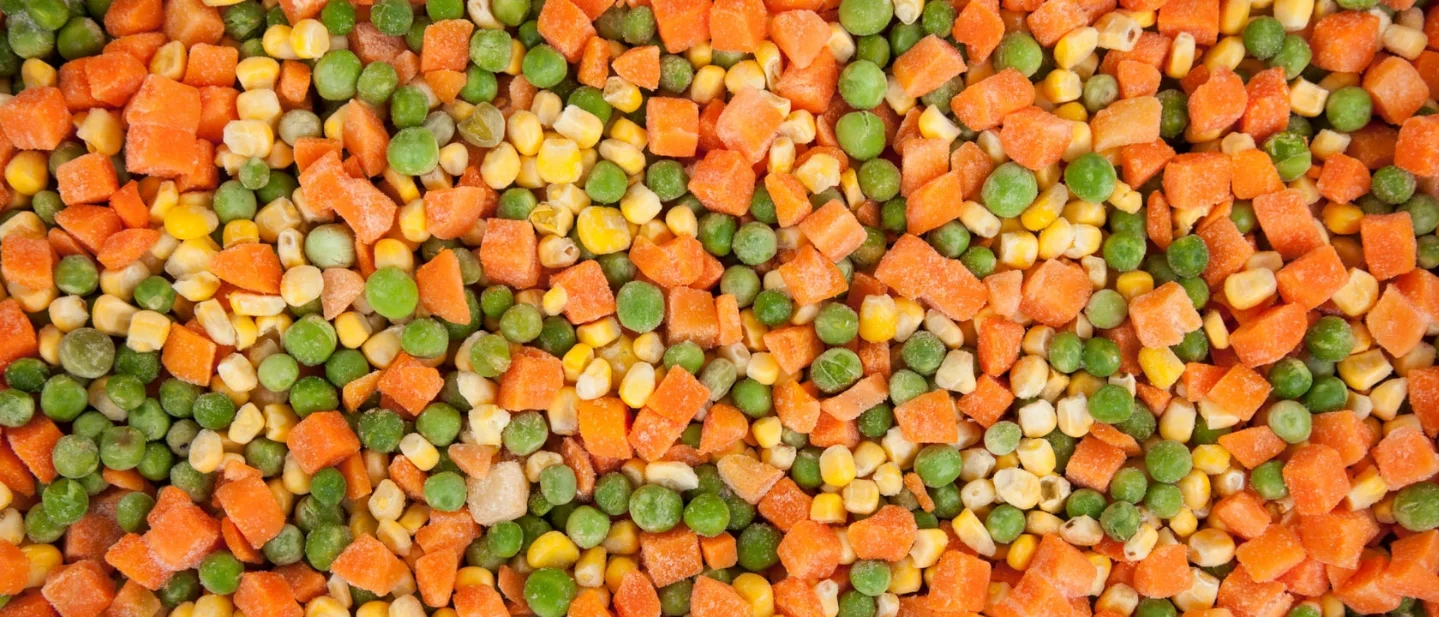
Rice, quinoa, barley, farro, and similar cooked grains are easier to use when they freeze as flat portions instead of one deep container.
- Spread the cooked grain in an even layer on a baking sheet and let it cool for about 10 minutes, until it reaches room temperature.
- Divide it into freezer bags or containers. Start with 1-cup or 2-cup portions if you are unsure what you will use.
- Press out as much air as you can, seal, and label the grain, portion size, and date.
- Lay each bag flat until frozen solid, then stack the flat packets.
- Reheat from frozen in a microwave-safe bowl with 1–2 tablespoons of water, using 1-minute bursts, or warm it gently in a saucepan with water.
Why it works: A thin packet freezes and reheats more evenly than a deep block. The Kitchn also notes that cooked grains generally keep for about 3 months before freezer burn may start, and that they can go straight from the freezer into soups, skillets, or grain bowls. 1
Avoid this mistake: Do not leave cooked grains cooling for hours. The source's method spreads them thin and freezes or refrigerates them promptly; the 10-minute cooling step is for getting them down to room temperature, not for leaving them on the counter all afternoon. 1
2. Freeze small pieces separately before bagging them
If a food will be used one or two pieces at a time, do not freeze the whole package into a single block. The Kitchn demonstrates the idea with leftover hot dogs, but the same physical problem applies to other separable pieces: the food is easier to use when each piece can come out on its own.
- Remove the pieces from their original package.
- Arrange them on a rimmed baking sheet with space between them.
- Freeze until solid, about 2 hours for the hot-dog example.
- Move the frozen pieces into one freezer bag.
- Take out only the amount you need next time.
Why it works: The first freeze prevents the pieces from welding together. You get a bag of individual portions rather than a block that needs to be thawed all at once. The Kitchn says the method is especially useful for hot dogs because it lets you defrost only what you need. 3
Avoid this mistake: Do not treat the example as a universal storage time. The article says opened hot dogs generally last about 1 week in the refrigerator; freezing is the longer-storage move, not a reason to keep the opened package in the fridge indefinitely. 3
3. Flatten ground beef before it freezes
A thick, rounded package of ground beef takes longer to thaw and is harder to divide. Flattening it turns the package into a thinner, more manageable file.
- If you will not cook the beef within 1–2 days, rewrap it tightly in plastic wrap, a freezer bag, or another freezer-safe layer.
- Press the beef into a flat, even shape before sealing.
- Write the date on the outside.
- Lay it flat in the freezer with room around it until solid.
- Thaw it in the refrigerator or in cold water, never on the counter.
Why it works: A flatter package has less distance for cold and heat to travel through, so it defrosts faster. Good Housekeeping also says ground beef keeps best in quality for about 3–4 months when frozen. 4
Avoid this mistake: Do not label only the freezer shelf or rely on memory. A date on the package is what lets you use the older portion first and notice when quality may have declined. The 3–4-month window is a quality guide, not a promise that every package will taste the same. 4
4. Treat air as the enemy of long freezer storage
Freezer burn is not a sign that the freezer has stopped working. It is often a packaging problem: too much exposed air dries the food's surface and damages quality.
- Choose a freezer bag or shallow container that fits the portion instead of leaving a large empty pocket.
- Press out as much air as possible before sealing.
- For food that can be spread out, use one flat layer rather than a thick mound.
- If you freeze a tray of pieces first, transfer them only after they are solid.
- Label the contents and date before the package disappears into the drawer.
Why it works: The Kitchn's freezing guidance repeatedly uses flat layers, shallow containers, and air removal to reduce freezer burn and keep pieces from sticking together. Flat storage also makes the freezer easier to stack. 15
Avoid this mistake: Do not use a giant bag for several unrelated portions and then keep opening it. Every opening adds warm air and makes the contents harder to identify. Freeze in the smallest practical units you will actually use.
5. Cool cooked food before it goes into the freezer
The freezer is not a shortcut for skipping the cooling step. Hot food can raise the temperature around it and can create condensation inside its package.
- Spread cooked food into a thinner layer or use shallow containers.
- Let it cool until it is no longer hot; the grain method above uses about 10 minutes spread on a baking sheet.
- Package it in the portion you plan to eat.
- Seal, label, and freeze promptly.
- If the food will not be frozen right away, refrigerate it rather than leaving it on the counter.
Why it works: Smaller, shallower portions cool faster and freeze more evenly. The Kitchn's grain guidance pairs spreading food thinly with prompt refrigeration or freezing, and its chile guidance says roasted chiles should cool completely before freezing. 15
Avoid this mistake: Do not seal a steaming pot in a deep container and assume the freezer will fix the rest. A large hot mass cools slowly. Divide it first, and use a shallow shape when you can.
6. Thaw meat in a controlled place, not on the counter
The safest default for frozen meat is the refrigerator. Put the package on the bottom shelf, inside a pan, so drips cannot reach other food.
- Keep the food in airtight packaging.
- Put it on the bottom shelf of the refrigerator, inside a pan that can catch leaks.
- Give it enough time to thaw there before cooking.
- If you need a faster method, keep the package airtight and submerge it in cold water.
- Change the water every 30 minutes, and cook the food immediately after a cold-water thaw.
Why it works: Refrigerator thawing keeps the food cold while it defrosts. Good Housekeeping's turkey guidance gives the same two-path rule: refrigerator thawing is the safest method; cold-water thawing is faster but requires water changes and immediate cooking. 6
Avoid this mistake: Do not thaw meat on the counter, in hot water, or outdoors. The source warns that food left at room temperature for more than 2 hours can allow bacteria to multiply quickly. The turkey-specific times in the source are not a universal calculator for every food, so use the refrigerator as the default when you are unsure. 6
7. Stop freezing foods that will only become sad
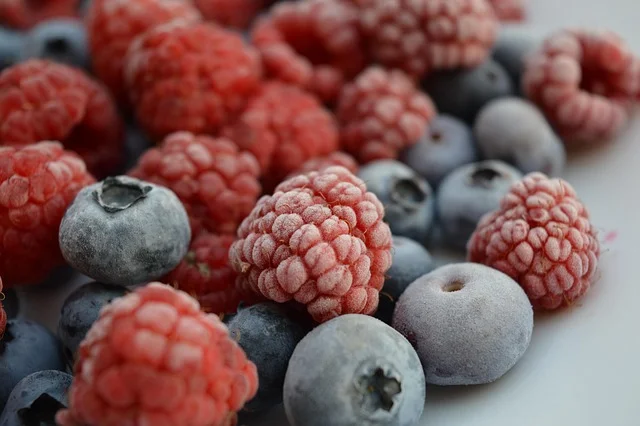
Freezing is not automatically an upgrade. High-water foods and emulsions can come back watery, grainy, limp, or separated.
- Before freezing, ask whether the food's texture matters after thawing.
- Keep leafy greens fresh, or lightly cook or blanch them first if you need to freeze them.
- Do not freeze watermelon slices if you want crisp fruit; freeze it as a purée for drinks or smoothies instead.
- Keep soft cheeses, custards, mayonnaise-based condiments, and creamy dressings out of the freezer when texture matters.
- If you freeze canned food, transfer the contents to a freezer-safe container first.
Why it works: Good Housekeeping lists high-water leafy greens and watermelon as foods that become mushy, and warns that soft cheeses, custards, milk, and emulsified condiments can separate or turn grainy. It also warns that cans can bulge, crack, or burst as liquid expands. 2
Avoid this mistake: Do not judge a frozen food only by whether it is technically safe to eat. Safety and quality are different questions. A food can remain usable while its texture becomes wrong for the dish you had planned.
The five-minute freezer reset
- Label every new package with the food and date.
- Keep flat portions where possible, then stack them vertically or in a shallow layer.
- Put soonest-to-use items at the front.
- Group similar foods so you can see what you have before cooking or shopping.
- When you thaw meat, move it to the refrigerator or use a controlled cold-water method; skip the counter.
A freezer works better when it stores decisions, not just food. The useful unit is a portion with a name, a date, and a safe route back to dinner.
References
- 1
- 2Common Foods That Don't Belong in the Freezer
goodhousekeeping.com
- 3
- 4How Long Can Ground Beef Sit in Your Fridge? Here's What Food Safety Experts Say
goodhousekeeping.com
- 5How To Roast and Freeze Green Chiles
thekitchn.com
- 6How to Safely Thaw a Frozen Turkey - Tips for Defrosting Thanksgiving Turkey
goodhousekeeping.com
This story was produced automatically by a channel. One sentence is all it takes for Neodrop to keep producing for you.