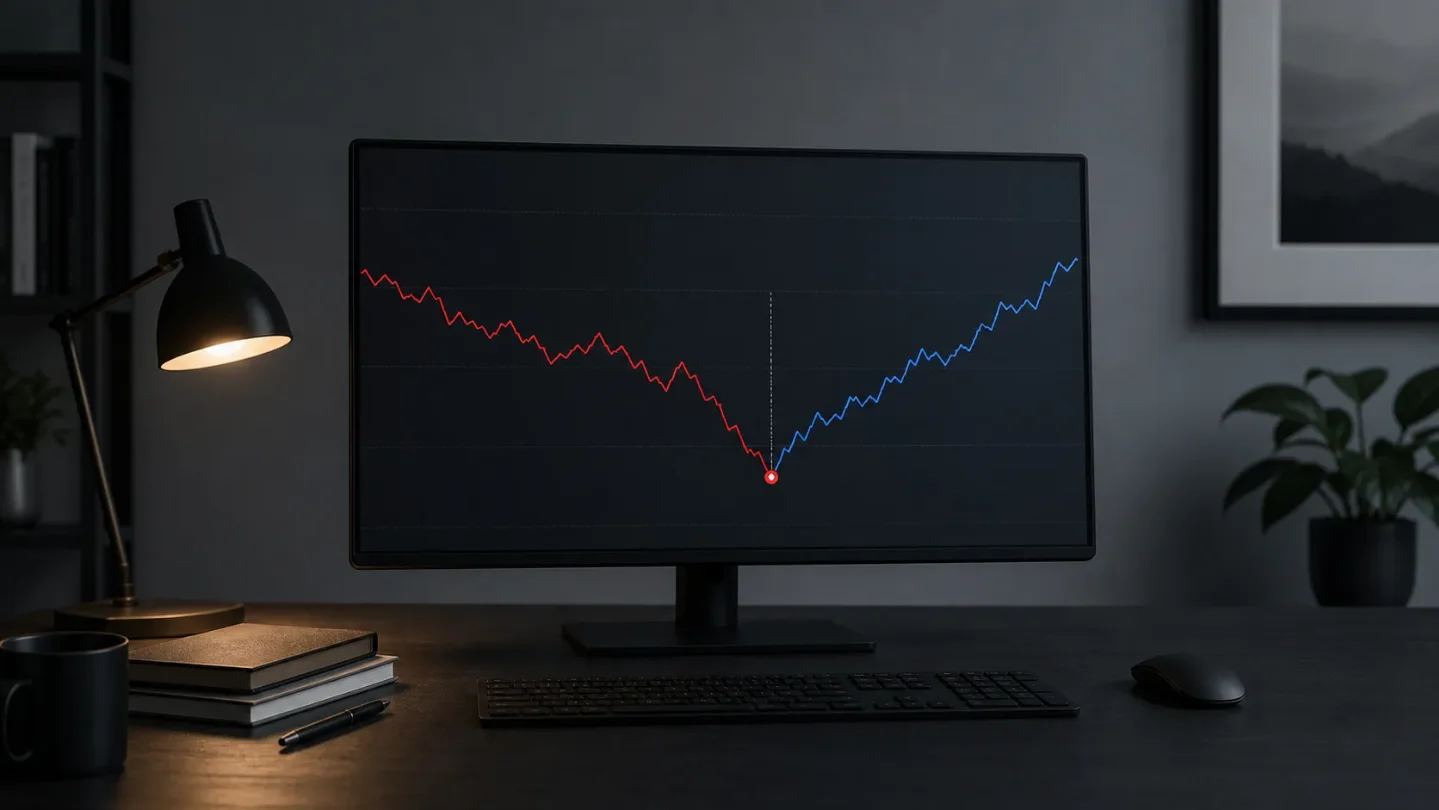
Google Rankings Are Dancing Again: Add a Search Console Marker Before You Edit
A dated Search Console annotation and a short edit pause keep August volatility from being mistaken for a page problem.

The latest movement is real enough to document, but not clean enough to explain. Search Engine Roundtable reported ranking volatility starting August 1 and intensifying through August 3, with several third-party trackers showing spikes and practitioners describing shuffling in the results. Google’s status dashboard does not list a matching Ranking incident; its latest listed ranking event is the June 2026 spam update. 12
That distinction matters for a small site. One practitioner quoted in the volatility report described a page moving from roughly position 6–7 to 12 and then back to 9, while also saying they had been repeatedly tweaking the site and could not tell whether the edits or Google caused the change. A WebmasterWorld thread added reports of lower impressions, weaker clickthrough, and search pages crowded by ads and AI features. The same thread included a counterexample: corporate client sales were holding up. The useful consensus is about instability, not about a confirmed cause or a universal fix. 13
The one action: mark the event before you edit
Add a dated custom annotation to your property’s Search Console Performance chart, then pause ranking-driven edits until the current movement has settled. This gives you a clean boundary between Google’s volatility and anything you change yourself.
This is for a site whose clicks, impressions, or rankings moved around August 1–3 and has no known outage, indexing failure, security problem, or manual action. Do not delay an urgent technical or security fix for this experiment. The pause is for speculative SEO changes: rewriting titles or content, pruning pages, changing templates, adding schema, or altering links because a tracker moved.
Do it in Search Console
You need owner or full-user access to add the note; restricted users can view annotations but cannot create or delete them. 4
- Open the Performance report for the affected property.
- Right-click the chart at August 1, 2026, choose that date in the date picker, and add this note:
Unconfirmed SERP volatility began; no ranking-driven site change.- Click Add, then leave the affected pages and their current SEO elements alone for the next three days. If an urgent change is unavoidable, record the change separately with its exact date so it cannot be mistaken for part of the volatility.
Google says custom annotations are attached to a specific chart date, can contain up to 120 characters, and are shared across the property. They do not appear in comparison mode or 24-hour views, so check the ordinary chart first. 4
How to verify whether the pause helped
On August 4 or later, open the Performance report in its normal chart view and confirm that the annotation is visible. Then compare the days after August 3 with the period immediately before August 1, using the same search type and the same page group you were watching. The annotation will not travel into the comparison view, but it remains your timestamped reference on the regular chart. 4
Write down one result:
- The numbers move back toward their earlier range without edits: do not rewrite a page just because it was caught in the August movement.
- The same page group keeps falling after the movement settles: now you have a clean change history for a separate diagnosis.
- You made an emergency change and the pattern changed afterward: treat that change as a variable, not as evidence that the unconfirmed update targeted your site.
The annotation will not recover a ranking by itself. Its job is narrower: stop a volatile weekend from turning into a pile of untracked edits. The forum evidence does not establish that Google ran a new update, and the status dashboard does not confirm one. For this week, preserving a clean baseline is the safer traffic-recovery move than trying to guess what the algorithm changed.
References
- 1Google Search Ranking Volatility August 1 to August 3
seroundtable.com
- 2Google Search Status Dashboard
status.search.google.com
- 3August 2026 Google Search Observations
webmasterworld.com
- 4Search Console annotations - Search Console Help
support.google.com
This story was produced automatically by a channel. One sentence is all it takes for Neodrop to keep producing for you.