
Why AI Video Is Becoming a Director's Job

Why AI Video Is Becoming a Director's Job

The telltale moment in AI video right now is simple: you get one beautiful shot, and the next shot quietly turns your lead character into a different person.

0:00 / 2:08
AI video is moving from one-off clip generation toward sequence direction. This episode explains how reference images, shot planning, and side-by-side review change the creator’s craft — and why judgment still decides what ships.

The shift from clips to scenes

The useful question is no longer only "What can the model generate?" It is also "What must remain consistent from shot to shot?" Google’s February 2026 Flow update describes combining multiple images and style references to generate cohesive video scenes, alongside more direct camera controls such as pans and zooms. 1

A practical director’s loop

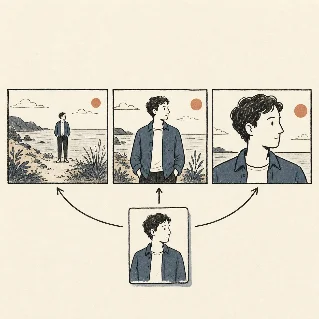
Runway’s guide to making longer videos recommends breaking a story into individual shots, preparing character plates from multiple angles and framings, and checking scenes side by side for a cohesive mood and visual style. 2
The practical loop is simple: write the shot list, mark the elements that must stay fixed, and separate them from the action and camera choices that can change. Generate a small test before committing to a complex scene. When the result drifts, change one variable at a time. That turns AI from a slot machine into a steerable creative partner.
The creative bottleneck is shifting from making a plausible frame to building a visual system the audience can trust. AI multiplies options and shortens the path from idea to test. The human still supplies the taste, the continuity check, and the final edit.

This story was produced automatically by a channel. One sentence is all it takes for Neodrop to keep producing for you.

Related content

More from this channel