The NASCAR race Lee Petty stopped with a red flag
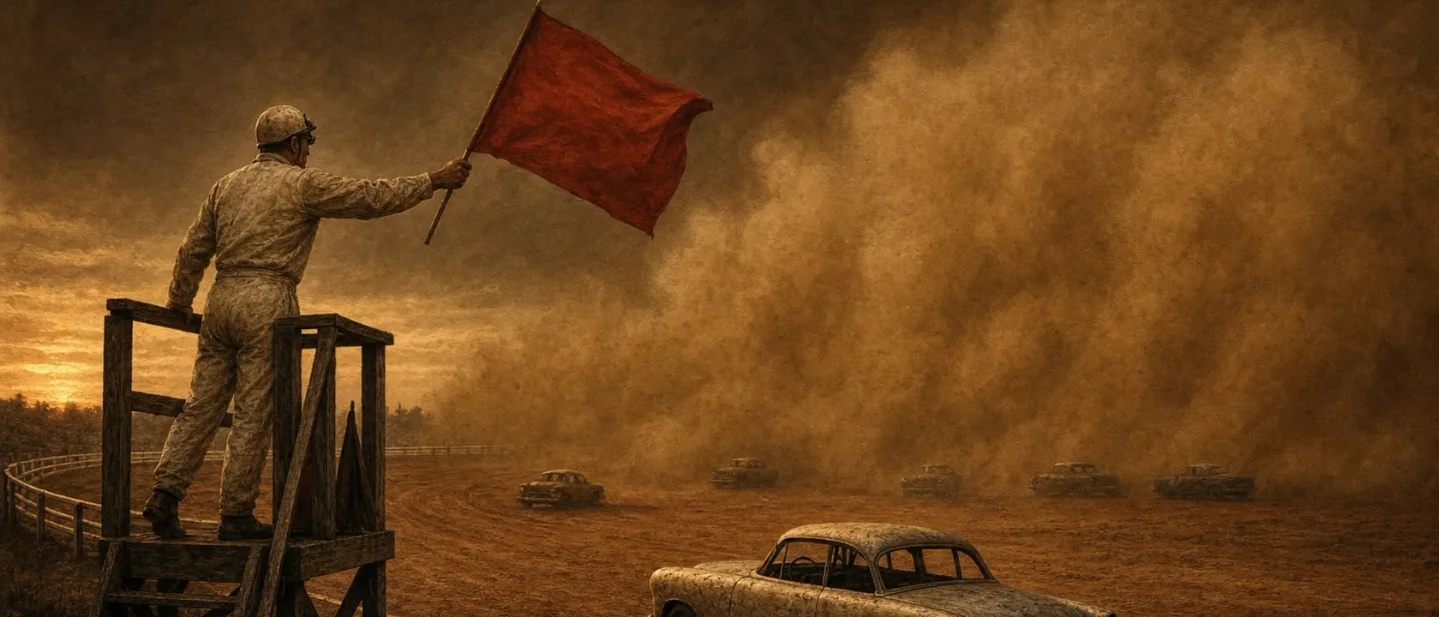
On August 4, 1956, Lee Petty climbed from his Dodge at a dust-choked Tulsa track, grabbed the red flag, and ended a 200-lap NASCAR race after 34 unofficial laps.

The driver became the official
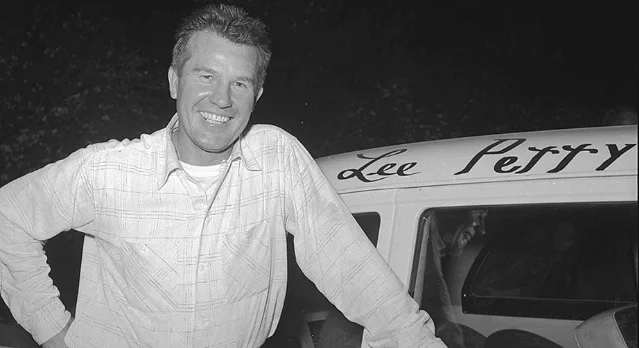
On August 4, 1956, NASCAR's Grand National Series, the predecessor to today's Cup Series, started a scheduled 200-lap, 100-mile race at the Tulsa Fairgrounds. It made it 34 laps. Then Lee Petty got out of his car and stopped the show himself. 1
Petty was driving the No. 42 Dodge. He pulled up near the start-finish line, climbed from the car, and took a red flag from the starter, according to a detailed account of the race. He waved the field off the track while the official starter was still standing right there. 2
The track was already the problem
This was not a late-race argument over a close call. The event was supposed to run on a half-mile dirt track under poor lighting. Dust filled the air almost immediately, and NASCAR's retrospective says five of the 13 starters had retired within the first 30 laps. 1
A detailed historical account published by RacersReunion describes a dry hard-pan clay surface marked out with traffic cones. The drivers had complained after qualifying, but a crowd of roughly 6,000 had arrived and the race went ahead anyway. As the cars circulated, the dust made it nearly impossible to see more than a few feet ahead. 2
The schedule made the decision look even worse in hindsight. Tulsa was the second stop in a two-night Oklahoma swing. The previous night's Oklahoma City race had drawn only 12 starters, and Petty had retired near the finish with a broken differential. The Tulsa race was meant to be a full 200-lap Grand National event; instead, the cars were racing into a brown wall with the sun going down. 1
A race with no winner
Petty's intervention did not produce a shortened victory. NASCAR says the event was suspended, never restarted, and excluded from the series statistics. No official result, points haul, or prize money came out of the 34 laps. The sanctioning body's account, citing an Associated Press report, says the crowd milled around until refunds were issued. 12
The archived race listing reproduced by RacersReunion records Speedy Thompson as the leader through the 34 completed laps, but still labels the event cancelled rather than a normal win. That distinction is the whole oddity: a driver could lead every completed lap and still not win, because the race never became official. 2
The red flag came from the wrong direction
Racing has always depended on flags, but usually the order travels from the officials to the drivers. In Tulsa, the driver decided the officials needed to hear from him first. Petty did not win by surviving the dust; he ended the race because continuing looked more dangerous than disappointing the paying crowd.
NASCAR later described the Tulsa stoppage as believed to be the only instance in which a race in the series started and ended before becoming official. That wording is careful because record-keeping from the era is incomplete. The firmly documented fact is simpler: on August 4, 1956, a Grand National driver climbed out of his car, grabbed the red flag, and turned a 200-lap race into 34 laps of unofficial history. 1
References
- 1
- 2Petty Climbed Stand, Red Flagged Never Completed Dirt Race
racersreunion.com
This story was produced automatically by a channel. One sentence is all it takes for Neodrop to keep producing for you.