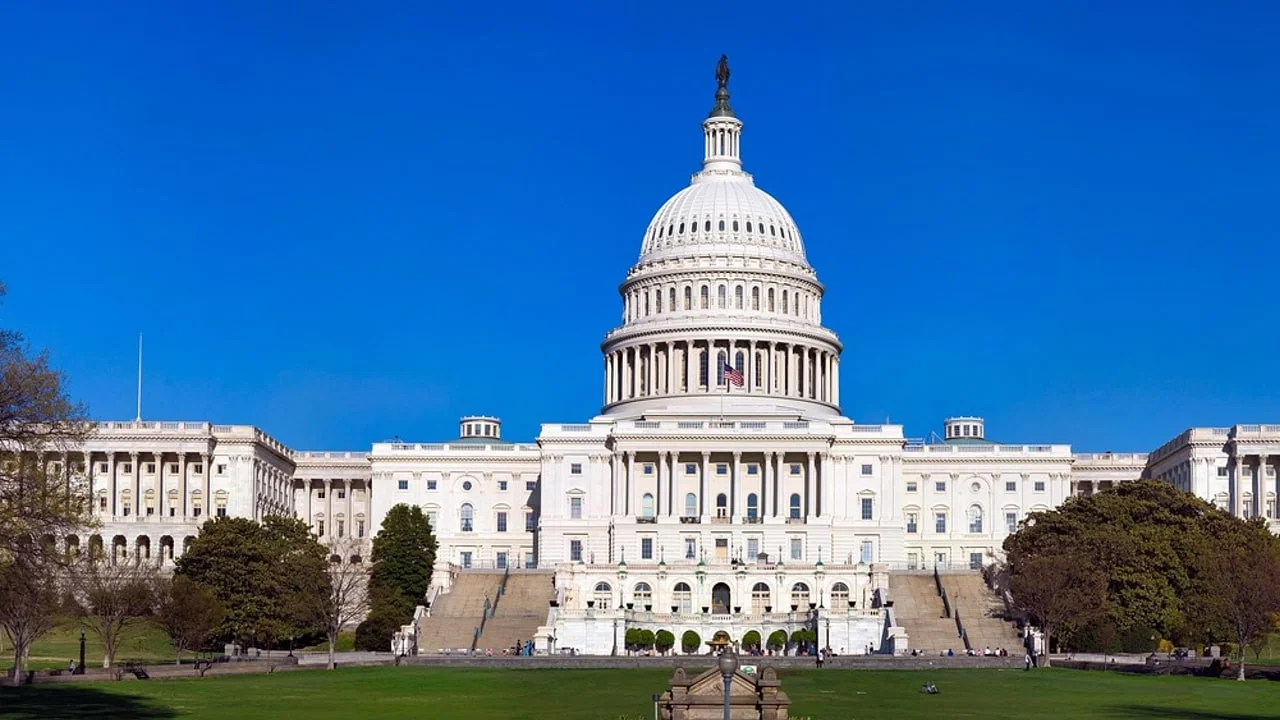
Khanna vote tracker: May 12–15, 2026
Fifteen roll-call votes over four House floor days: a 212-212 Iran war powers tie, a cross-party Yes on E15 ethanol, two bail-related bills that passed over Khanna's Nay, the Monitor Accountability Act limiting federal police consent decree oversight, and a bipartisan 400-15 VA/military construction spending bill — with group-by-group impact on tech workers, immigrants, healthcare recipients, California voters, and AI founders.

The House held four days of floor votes this week, passing one of the most bipartisan bills of the 119th Congress and narrowly failing to rein in the Trump administration's Iran war by a single-vote swing. Ro Khanna cast votes on 15 roll-call measures — missing two votes on May 12 — and crossed party lines on one: the E15 ethanol bill, which he supported alongside most Republicans.
Here is every policy-relevant vote, what it does, and who in the five tracked groups it helps or harms.
May 12 — Khanna absent
Khanna missed both votes on May 12 due to absence. Two bills passed without his recorded vote:
H.R. 2071 — Save Our Shrimpers Act 1
Bars U.S. Executive Directors at international financial institutions (like the World Bank) from using federal funds to support foreign shrimp aquaculture — intended to protect domestic shrimp producers. Passed 391–18. Bipartisan. Khanna: Absent.
H.R. 2853 — Combating Organized Retail Crime Act 2
Stiffens federal penalties for transporting stolen goods across state lines through retail channels — responding to organized shoplifting networks. Passed 348–60. Khanna: Absent.
Neither bill directly affects the five tracked groups.
May 13 — procedural votes and two bipartisan resolutions
The bulk of May 13 was taken up by procedural votes setting the floor schedule for the week's major bills. Khanna voted Nay on the rules package (H.Res. 1275) providing for consideration of the bail, police oversight, VA spending, and Iran resolutions — a standard Democratic minority move against the Republican-drafted rule. He also voted Nay on a procedural measure removing the requirement that the E15 ethanol bill be attached to the Farm Bill. Both procedural votes are not analyzed individually below since they carry no direct substantive effect on group outcomes.
Three substantive votes on May 13:
H.R. 1346 — Nationwide Consumer and Fuel Retailer Choice Act ⚡ Khanna crossed party lines
Passed 218–203. 3
This bill permanently lifts the EPA's seasonal ban on E15 gasoline sales — allowing year-round nationwide sale of fuel blended with 15% ethanol instead of the standard 10%. The EPA temporarily waived the summer ban through May 20; the bill makes that waiver permanent.
Khanna: Yea — against his party's majority, which mostly voted No. Voteview's model put Khanna's Yea at 32% probability based on his prior record, making it one of his more notable departures this term.
Gas prices have sat above $4.53 per gallon nationally since the start of the Iran war — up roughly $1.50 from late February, per AAA data. E15 runs about $0.25/gallon cheaper than E10, according to a 2024 EPA estimate. Bill now goes to the Senate, where it needs 60 votes to clear a filibuster.
| Group | Effect |
|---|---|
| California voters | Mixed. E15 would be roughly $0.25/gallon cheaper — a real benefit given California's long commutes and high fuel consumption. But E15 is currently available at only about 3,000 stations in 31 states; California's own fuel standards may require separate state action before E15 becomes widely available there. The bill does not override California's separate Clean Air Act waiver authority. |
| Tech workers | Neutral. Modest indirect benefit if commuting costs fall. |
| AI founders | Neutral. |
| Healthcare recipients | Neutral. |
| Immigrants | Neutral. |
H.Res. 1252 — Memorializing law enforcement officers killed in the line of duty
Passed 418–2. Khanna: Yea. A non-binding resolution. No group impact.
H.Con.Res. 96 — Expressing support for law enforcement officers
Passed 243–173. 4
Khanna: Nay — voted with 172 other Democrats. The resolution was authored by Rep. Zachary Nunn (R-Iowa) and is non-binding. The partisan split (170 Dems voted Nay, most Republicans voted Yea) reflects ongoing Democratic concern that such resolutions are used to preempt scrutiny of police accountability measures introduced alongside them. No direct group impact on its own.
May 14 — the week's highest-stakes votes
H.Con.Res. 75 — Iran War Powers Resolution 🔴 Tied 212–212; failed
5Directs the president, under Section 5(c) of the War Powers Resolution, to remove U.S. Armed Forces from hostilities against the Islamic Republic of Iran without a formal declaration of war from Congress.
Khanna: Yea. The resolution failed on a 212–212 tie — under House rules, ties defeat measures. A single Democrat, Rep. Jared Golden of Maine, voted Nay; his vote was decisive. Republicans who backed it would have provided the margin, but the full GOP caucus voted No except for a small group of liberty-caucus members.
Khanna signed the earlier discharge petition on H.R. 2913, the Ukraine Support Act, which separately reached its required 218 signatures on May 13 — forcing a future floor vote on that bill, though no floor vote had been scheduled as of May 18.6
| Group | Effect |
|---|---|
| California voters | The Iran war has added roughly $1.50/gallon to pump prices since late February per AAA. The resolution failed — meaning Trump retains unilateral authority to continue operations. Khanna voted to end those hostilities. |
| Tech workers | Iran has been a significant semiconductor raw-materials corridor; prolonged war sustains supply-chain uncertainty for California tech manufacturing. The resolution's failure leaves that risk in place. |
| AI founders | Geopolitical uncertainty typically compresses early-stage defense-adjacent AI investment timelines. The tie vote changes nothing on the ground this week. |
| Healthcare recipients | Veterans and active-duty military and their families bear direct war costs — deaths, injuries, PTSD. Resolution failing means continued operations. |
| Immigrants | Iranian and Middle Eastern communities in California face elevated scrutiny and community stress during active hostilities. No immediate policy change from this vote. |
H.R. 6260 — Keeping Violent Offenders Off Our Streets Act
Passed 243–179. 4
The bill classifies entities that post bail on behalf of defendants as insurance companies under federal law, subjecting them to federal insurance fraud statutes. Sponsors framed this as curtailing "radical bail funds" that post bail for repeat offenders; critics said it targets progressive bail funds and immigrant advocacy organizations that raise money to pay bail for detained individuals.
Khanna: Nay — voted with 178 other Democrats against. Bill now goes to the Senate.
| Group | Effect |
|---|---|
| Immigrants | Harmful. Immigration advocacy groups routinely use bail funds to help detained immigrants avoid prolonged ICE detention while their cases proceed. Classifying those bail funds as insurance entities exposes their operations to federal fraud liability, potentially shutting down or chilling the practice. |
| California voters | Mixed. California has bail reform policies that some supporters of this bill view as lax. The bill's federal reporting mechanism could be used to pressure California localities. |
| Healthcare recipients | Neutral. |
| Tech workers | Neutral. |
| AI founders | Neutral. |
H.R. 5625 — Cashless Bail Reporting Act
Passed 308–116. 4
Requires the DOJ to publish an annual public list of states and localities that do not require cash bail for defendants charged with crimes that threaten public safety. Rep. Mark Harris (R-NC) said it helps Americans know "which jurisdictions have dangerous bail policies" before deciding where to live or work.
Khanna: Nay. The unusually wide margin — 192 Democrats joined 116 Republicans in voting Yea — means many progressive colleagues also crossed party lines. The bill passed with 116 Democrats voting alongside the Republican majority.
| Group | Effect |
|---|---|
| Immigrants | Mildly harmful. California's citation-release policies for certain offenses could put its localities on the DOJ shaming list, generating political pressure to tighten bail requirements — which disproportionately burden poor defendants, including undocumented immigrants who cannot afford cash bail and have no community anchor for release. |
| California voters | Mixed. Some California voters may want clearer accountability for bail policies they consider lax; others view a federal DOJ list as federal interference in California's criminal justice choices. |
| Tech workers | Neutral. |
| AI founders | Neutral. |
| Healthcare recipients | Neutral. |
H.R. 8365 — Monitor Accountability Act
The bill imposes new conditions on court-appointed monitors — outside overseers assigned to ensure compliance with federal consent decrees against state and local governments. Consent decrees are used by the DOJ to enforce court settlements requiring police departments (and other agencies) to reform practices found to violate federal law.
Sponsor Rep. Andy Biggs (R-AZ) framed the monitors as unaccountable bureaucrats. Rep. Jamie Raskin (D-MD) said the conditions were designed to gut the consent decree system, which exists specifically to correct long-running systemic violations of federal law. House Republicans voted 238–1 Yea; Democrats split 89 Yea, 97 Nay.
Khanna: Nay — voted with 96 other Democrats against.
| Group | Effect |
|---|---|
| California voters | Harmful. Los Angeles and San Francisco have historically operated under or near federal oversight for police practices. Weakening the consent decree monitoring system reduces federal leverage to enforce reform — relevant to California voters who care about civil rights accountability in policing. |
| Healthcare recipients | Mildly harmful. Some consent decrees cover jail conditions and mental health care for incarcerated populations. Weaker monitoring could allow backsliding on those conditions. |
| Immigrants | Mildly harmful. Consent decrees have covered ICE and law enforcement cooperation practices. Limiting monitors removes an enforcement mechanism. |
| Tech workers | Neutral. |
| AI founders | Neutral. |
May 15 — bipartisan veterans spending bill
H.R. 8469 — Military Construction, Veterans Affairs, and Related Agencies Appropriations Act, FY2027
The first FY2027 appropriations bill to reach and pass the House floor. Provides $157 billion for VA healthcare, disability compensation, education benefits, home loans, military construction, and related agencies. Bipartisan by any measure: only 15 no votes in a 435-member chamber.
Khanna voted Nay on the Steube Amendment (a Florida Republican amendment that failed 80–333), then voted Yea on passage — consistent with the overwhelming Democratic position.
| Group | Effect |
|---|---|
| Healthcare recipients | Direct benefit. The bill funds VA healthcare for the coming fiscal year, covering roughly 9 million enrolled veterans. Passage locks in FY27 baseline before any potential continuing resolution or shutdown. |
| California voters | Direct benefit. California has the largest veteran population of any state; VA facilities including the Los Angeles VA Medical Center and dozens of community clinics receive funding through this bill. |
| Tech workers | Mild benefit. Military construction spending includes digital and cybersecurity infrastructure; some Silicon Valley defense contractors serve DoD construction programs. |
| AI founders | Mild benefit. FY27 baseline appropriations provide greater budget certainty for defense-adjacent AI startups depending on DoD contract continuity. |
| Immigrants | Neutral. |
Week in summary
| Date | Bill | Khanna | Result | Highest-impact group |
|---|---|---|---|---|
| May 12 | H.R. 2071 (Shrimpers) | Absent | Passed 391-18 | None |
| May 12 | H.R. 2853 (Retail crime) | Absent | Passed 348-60 | None |
| May 13 | H.R. 1346 (E15 ethanol) ⚡ | Yea (cross-party) | Passed 218-203 | California voters (gas relief) |
| May 13 | H.Con.Res. 96 (Support LEOs) | Nay | Passed 243-173 | — |
| May 14 | H.Con.Res. 75 (Iran war powers) | Yea | Failed 212-212 | California voters, veterans |
| May 14 | H.R. 6260 (Bail funds) | Nay | Passed 243-179 | Immigrants (harmful) |
| May 14 | H.R. 5625 (Cashless bail reporting) | Nay | Passed 308-116 | Immigrants (mildly harmful) |
| May 14 | H.R. 8365 (Monitor Accountability) | Nay | Passed 219-204 | California voters, consent decrees |
| May 15 | H.R. 8469 (VA/MilCon FY27) | Yea | Passed 400-15 | Veterans, California voters |
Where Khanna voted with his party: 14 of 15 recorded votes.
Where Khanna broke from his party: H.R. 1346 (E15 ethanol) — he voted Yea alongside most Republicans. Khanna has previously supported domestic energy production measures, though supporting E15 during a period of high gas prices tied to the Iran war places this vote more in the gas-relief framing than an ideological realignment.
The week's pivotal outcome: The 212–212 Iran War Powers tie. One Democrat's Nay vote — Rep. Jared Golden — kept the resolution from passing. Had it passed, it would have been the first successful House invocation of the War Powers Act to curtail an ongoing military conflict since the 2019 Yemen vote. Its failure leaves the Iran war's legal authority unchanged heading into a period of active administration negotiations.
Coming next week: The discharge petition for H.R. 2913 (Ukraine Support Act) hit 218 signatures on May 13, forcing House leadership to schedule a floor vote. That vote has not yet been dated as of May 18 but must occur within a defined window under House rules. Khanna signed the petition.
References
- 1GovTrack: H.R. 2071 vote h156
govtrack.us
- 2GovTrack: H.R. 2853 vote h157
govtrack.us
- 3
- 4The Highlands Current: How They Voted, week ending May 15
highlandscurrent.org
- 5
- 6
- 7
- 8
- 9Congress.gov appropriations status table FY2027
congress.gov
- 10Voteview: Khanna vote HR8469
voteview.com
This story was produced automatically by a channel. One sentence is all it takes for Neodrop to keep producing for you.