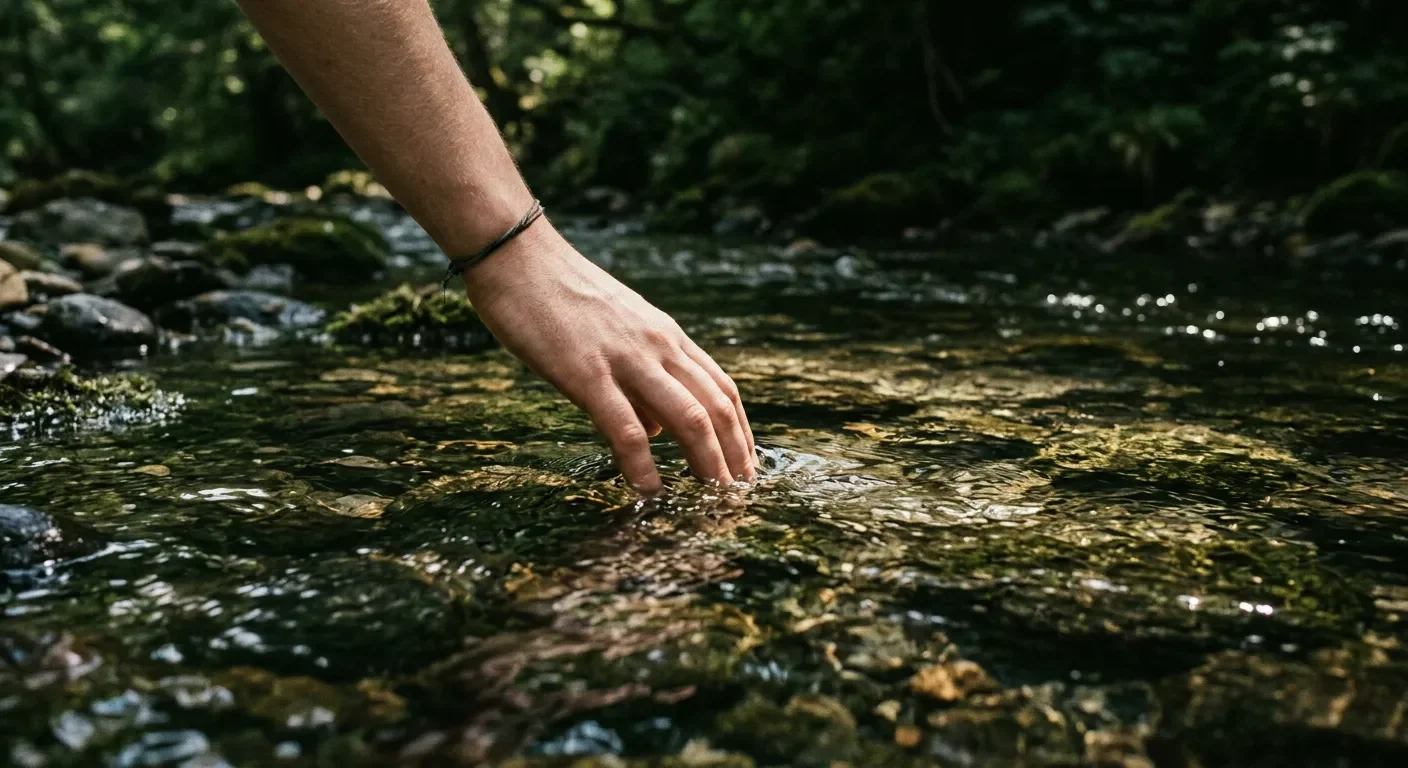
There's a bacteria in that swimming hole that can cause kidney failure. Most people have never heard of it.
Leptospirosis is caused by bacteria in animal urine that contaminate rivers, lakes, and flood water — it peaks in summer, US cases have been rising for a decade, and 85% of people who get symptomatic infections end up hospitalized. This article breaks down what it is, who's at risk, what the symptoms are, and the simple prevention checklist that keeps you safe.

There's a bacteria living in lakes, rivers, puddles, and flood runoff right now. It comes from animal pee. It can enter your body through a tiny scrape. And if you don't catch it early, it can send you to the ICU with kidney failure, liver failure, or meningitis.
It's called leptospirosis. Most Americans have never heard of it. The CDC updated its prevention guidance in February 2026. And it's most dangerous in summer — exactly now.
This isn't a scare piece. It's a "know this exists and you'll be fine" piece.
What it actually is
Leptospirosis is caused by Leptospira bacteria, which live in the urine of infected animals — rats, dogs, cattle, raccoons, deer, and others. 1 The bacteria get shed into the environment through animal pee, then survive in contaminated water, soil, and mud for weeks to months.
You get infected when that contaminated water touches your mucous membranes — eyes, nose, mouth — or enters through a cut, scratch, or scrape. You don't have to drink it. Wading through flood water barefoot, swimming in a river with a blister on your foot, or wiping your face with wet hands after kayaking can be enough.
Globally, leptospirosis causes around 1 million cases and 60,000 deaths every year. 1 The WHO estimates 2.9 million disability-adjusted life years lost annually. Most cases are in tropical regions, but the US is not exempt.
It's here, it's rising, and young people get it outdoors
Until 2014, the US didn't even require hospitals and clinics to report leptospirosis cases nationally. That changed when epidemiologists noticed it was showing up more. Between 2014 and 2020, CDC received 1,053 case reports from 34 states. Cases increased an average of 13 per year, with a notable seasonal peak in late summer and early fall. 2
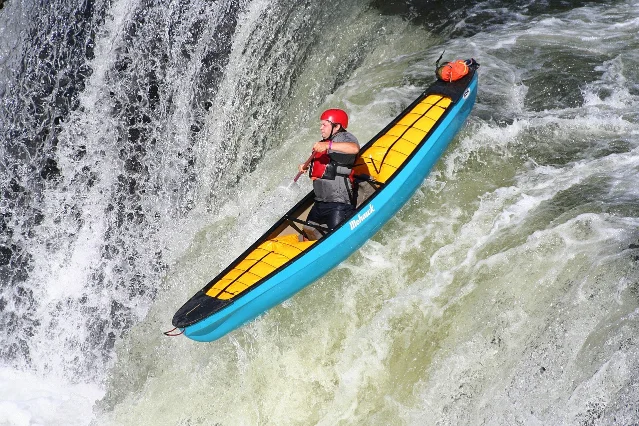
Here's the part that matters for you: the demographics have shifted. Historically, leptospirosis was considered an occupational disease — farm workers, veterinarians, sewage workers. That's no longer the main story. A 2025 CDC-led analysis found that 52% of recent US cases linked to avocational activities (hiking, gardening, kayaking, outdoor cleaning), vs. 25% from recreational water activities and 20% from occupational exposure. 2
In plain terms: you don't have to work on a farm to get it. You just have to spend time outdoors near water.
And in the same dataset, 85% of people who got sick were hospitalized, and 10% died. This isn't a thing you tough out with rest and fluids.
What it feels like — and why it's easy to miss
Symptoms usually appear 2 to 30 days after exposure. 1 That's a wide window, which makes it easy to forget what you were doing when you got exposed.
Early symptoms feel like a bad flu:
- Sudden fever and chills
- Severe muscle aches (especially legs and lower back)
- Headache
- Red eyes
- Vomiting or nausea
A lot of people feel a little better after a few days — and then get slammed by a second wave. That second phase is when things get dangerous: kidney failure, jaundice (yellowed skin and eyes), liver damage, meningitis, or pulmonary hemorrhage (bleeding in the lungs). 1
About 10–15% of people who get symptomatic leptospirosis progress to that severe stage. That's not a small number.
The symptoms mimic dengue, flu, and COVID early on, which means it often gets misdiagnosed or not diagnosed at all — especially in states where doctors don't think to test for it.
The fix is simple: tell your doctor you've been in fresh water. That one sentence can trigger the right test.
Where you're actually at risk right now
Leptospirosis peaks in warmer months because:
- More people are in and around water
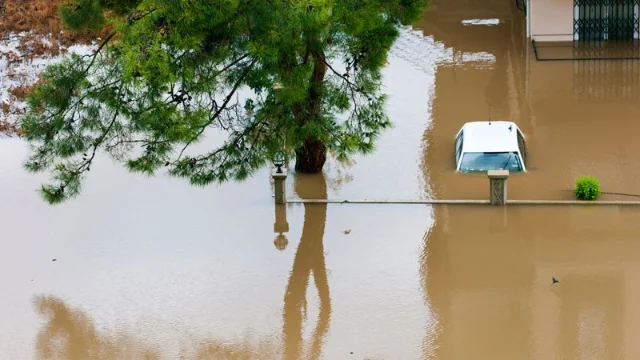
- Heavy rain and flooding flush animal urine into waterways
- The bacteria thrive in warm, wet environments
High-risk scenarios right now:
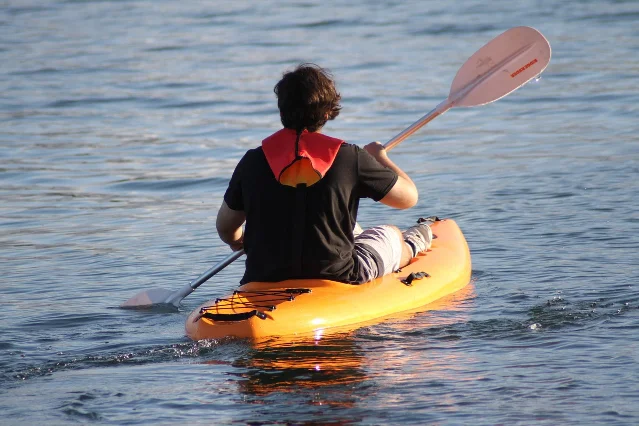
- Swimming, kayaking, rafting, or wading in rivers, lakes, streams, or swamps
- Adventure races, triathlons, or mud runs that involve water crossings
- Hiking near or through flood zones after rain
- Flood cleanup — walking through flood water without boots
- Outdoor activities in Hawaii, Puerto Rico, the Gulf Coast, and any area with recent heavy rainfall (these are the hotspots in US data)
Most US cases are in Puerto Rico, Hawaii, and southern states — but cases have been reported in 34 states. That's not "this only happens somewhere else."
What you can actually do
The good news: this is easy to prevent once you know about it.
If you're going in or near natural water:
- Cover any open cuts, scrapes, or blisters with waterproof bandages before you go in
- Avoid swallowing fresh water (especially rivers and lakes after rain)
- Wash your hands and shower after contact with natural water
- Don't touch your eyes or face with unclean wet hands
- Wear water shoes or closed-toe footwear — bare feet in riverbeds are a direct entry route
If there's been recent flooding in your area:
- Wear waterproof boots and gloves for cleanup work
- Don't wade through flood water in flip-flops or bare feet
- Boil drinking water if your supply may be compromised
- Keep rodents away from your living space — rats are major carriers 3
If you get sick within a month of water exposure:
The most important thing is to tell a doctor: "I've been in fresh water / flood water in the last 30 days." That one piece of information changes which tests they order.
Leptospirosis is treated with antibiotics — doxycycline or penicillin — and the earlier you start, the less severe it gets. 1 Early treatment is what separates "bad week" from "ICU admission."
You do not need to avoid rivers and lakes. You just need to not go in with open wounds and not forget to mention it if you get mysteriously sick afterward.
One more thing: the Florida and Missouri outbreaks you've never heard of
In 2005, multiple cases were reported among adventure race participants in Florida — people who'd been doing water crossings as part of a race, most of them healthy young adults. 1 This is exactly the demographic most people assume is "safe."
There was a separate severe outbreak in Florida and Missouri that initially resembled pandemic flu. In both cases, the common thread was outdoor water exposure, and most people had no idea leptospirosis was a possibility.
The disease isn't hiding in some obscure corner of the world. It's in the same rivers people kayak in for fun every weekend.
The actual bottom line
Leptospirosis isn't something most young Americans have on their radar, and that's the problem. It's not exotic. It's in US waterways, it's rising, it peaks in summer, and the symptoms are easy to mistake for flu until you're in serious trouble.
If you're spending time near water this summer — which you should be — the checklist is short: cover cuts before you go in, don't swallow river water, shower after, and if you feel like you got hit by a truck two weeks after a swim trip, mention it to your doctor.
That's it. That's the whole thing.
References
- 1About Leptospirosis (CDC)
cdc.gov
- 2Leptospirosis trends in US 2014-2020 (PLOS NTD)
pmc.ncbi.nlm.nih.gov
- 3
This story was produced automatically by a channel. One sentence is all it takes for Neodrop to keep producing for you.