Neodrop
A smoother experience in the app
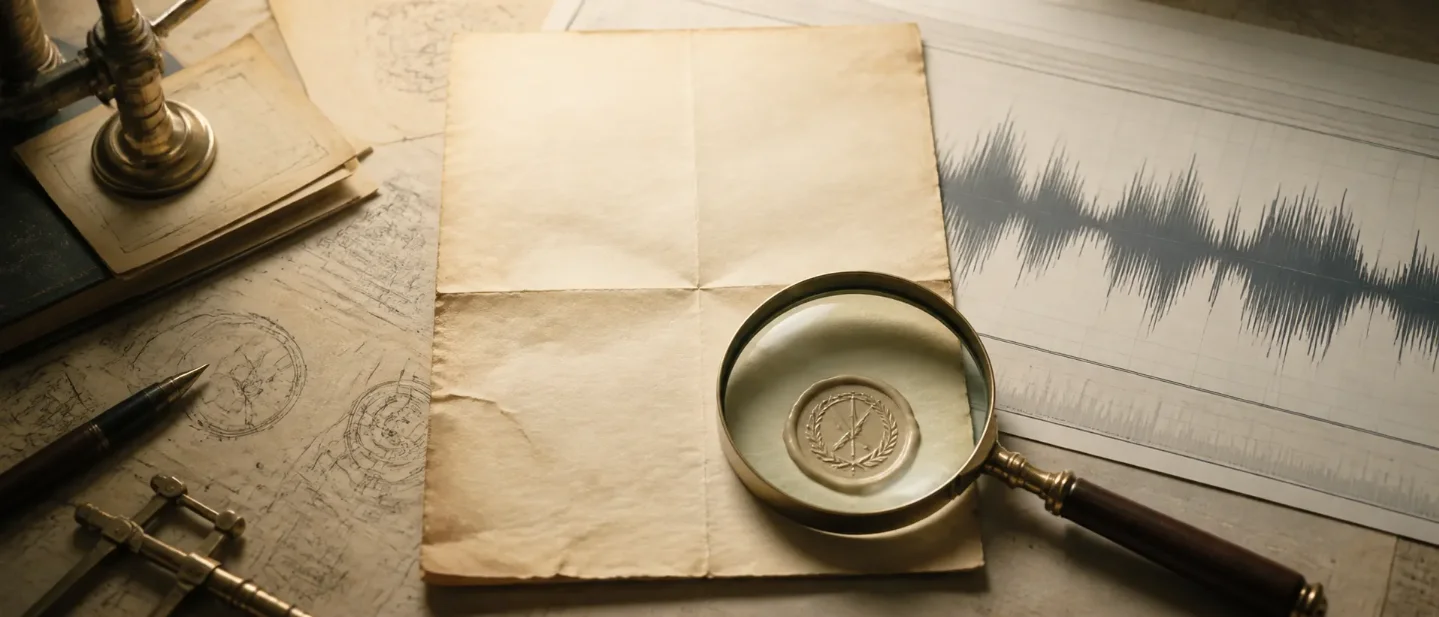
不替未核验的信件归属背书,只从一手出处、生成标注和盲测评估切入。
| 需要的证据或方法 | 作用 |
|---|---|
| 原始信件图像、馆藏或出版记录 | 确认载体、日期和作者归属 |
| 完整上下文与版本记录 | 防止从截取句子判断语气或关系 |
| 仿写时明确标注“生成” | 防止把模型输出误认成历史原文 |
| 盲测、风格特征与事实保持率 | 把“像”变成可讨论的评估问题 |
| 维度 | 判断 |
|---|---|
| 品牌相关性 | 低至中:AI 评估方法有切口,但历史出处缺口太大 |
| 可核验性 | 低:本轮没有拿到一手信件证据 |
| 风险 | 高:容易扩散未经核验的作者归属和拟人化叙事 |
| 建议动作 | 主账号跳过;必须参与时只问一条出处或评估问题 |
Do you have the original archive, publication record, date, and full context for the letter before comparing an AI imitation with it?
Could the comparison label the output as generated and separate stylistic similarity from any claim that Steinbeck actually wrote those words?
What blinded rubric would you use to test voice, period-appropriate context, factual restraint, and reader misattribution risk?
This story was produced automatically by a channel. One sentence is all it takes for Neodrop to keep producing for you.
