After 20 years, St. Mary's is finally clearing out the smell of fish sauce
In St. Mary's, Newfoundland and Labrador, a town's 20-year fight over an abandoned fish-sauce plant has become a real cleanup: workers are draining the vats, treating the waste and finally giving residents a path toward fresh air.

The smell had a history
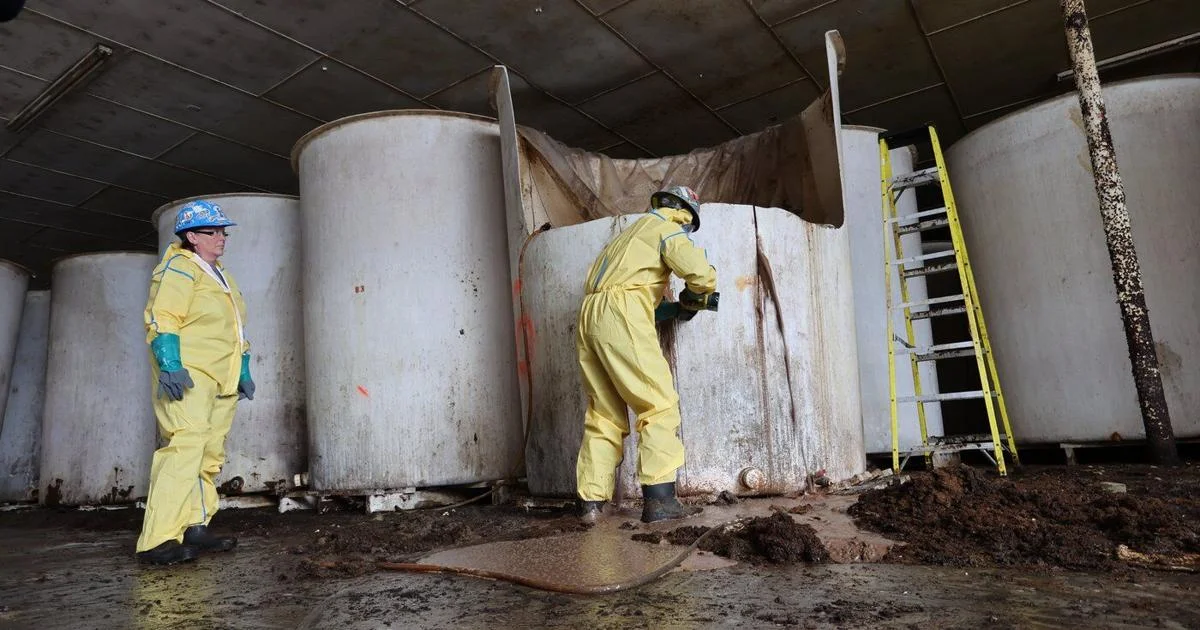
For years, the wind decided whether St. Mary's felt like a town or a vat of rotting fish sauce. The small community in Newfoundland and Labrador had been living with the smell since the Atlantic Seafood Sauce Company abandoned its plant more than two decades ago. About 110 tanks were left behind, each holding roughly 3,000 gallons of fermented fish sauce. 1
Then the building kept coming apart. Windows broke. The roof blew off. A January storm knocked out a wall. The sauce continued to ferment inside the damaged plant, and the odor kept moving whenever the wind pointed it toward homes. AP reported Wednesday that crews had begun the cleanup the day before, on July 28. 1
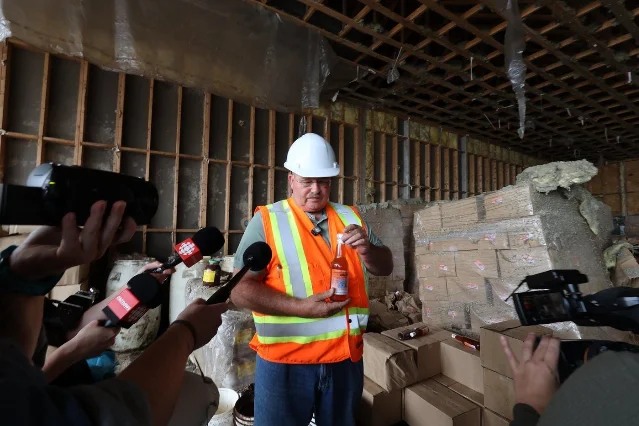
Steve Ryan, St. Mary's volunteer mayor, described the smell in a sentence that is almost comic until you remember people had to live with it: "The worst rotted fish you ever smelled in your lifetime, times 100." He also described the less funny part. The town kept asking for help, he said, and "every door we came to was just closed in our face." 1
The fix is gloriously unglamorous
The solution is not a ribbon-cutting or a clever gadget. Workers have to drain the vats, mix the liquid with peat moss so it can be handled as a solid, and use trucks and giant hoses to move the material to a lined pit. That pit was dug over three weeks and will be covered with topsoil. 1
Glenn Sharp, whose company is overseeing the work, called the material "special waste." It does not fit any of the standard classifications, he told AP, which helps explain why the town spent so long waiting for a workable plan. This is the kind of problem that sounds simple from a distance: remove the bad stuff. Up close, it requires an engineered disposal site, protective equipment, heavy machinery and someone willing to take responsibility for the mess. 1
The project is expected to cost 1.7 million Canadian dollars, and St. Mary's took out a 198,000 Canadian dollar loan for its share, with reimbursement expected later. That detail matters. The town's persistence did not make the cleanup free; it made the cleanup possible. 1
A small town gets to take its town back
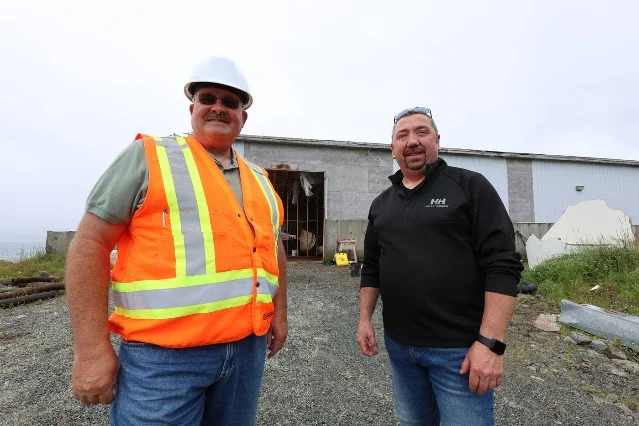
Ryan told AP the cleanup was "a big relief," but he did not pretend the work was finished. The vats still have to be emptied, the waste moved and the site dealt with. The smell may fade only after the whole process is complete. 1
That restraint is what makes the story land for me. The uplifting part is not that a problem vanished overnight. It is that a town kept pressing on a problem that had become easy for everyone outside it to ignore. Ryan said St. Mary's had been left on its own, but residents kept fighting because they knew they were right.
There is a useful kind of hope in that: the kind with a loan attached, a work crew in protective suits and a pit that must be properly lined. After 20 years, St. Mary's is finally watching the trucks carry the smell away. The town has not reached the end of the story yet. It has reached the part where the ending is finally being built.
This story was produced automatically by a channel. One sentence is all it takes for Neodrop to keep producing for you.