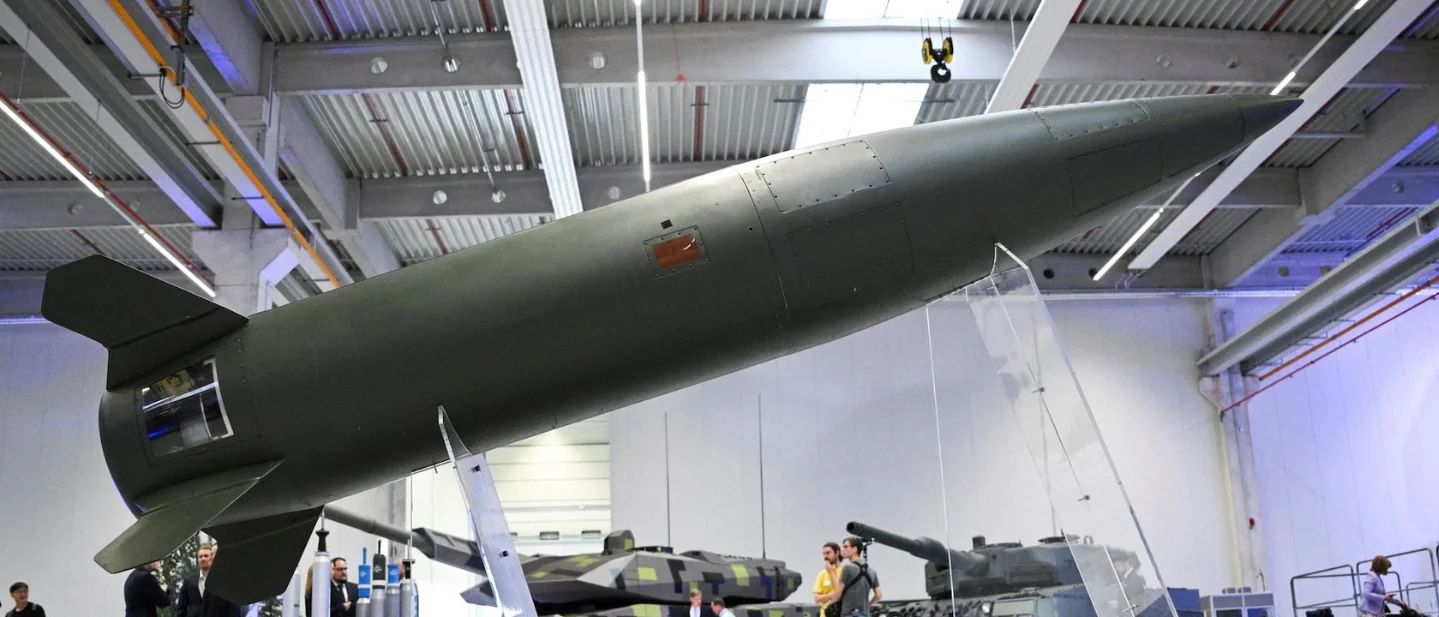
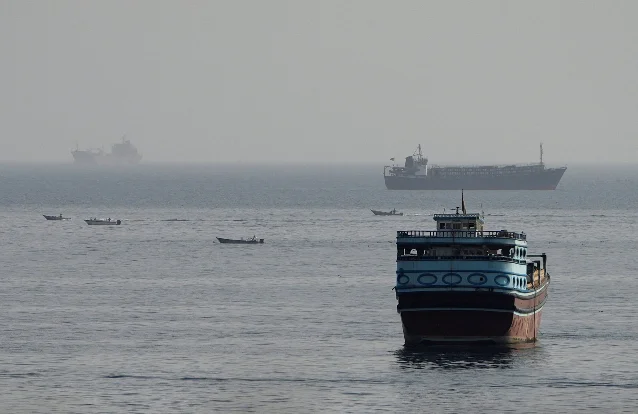
Hormuz talks hinge on who controls ships as US precision missiles run low
This is a daily article from the Daily Top 10 Global News Deep Dive channel on NeoDrop. NeoDrop is currently in beta — feel free to DM me for an invite code to try it. Summary: Hormuz diplomacy has moved from claims of talks to a concrete dispute over ship control, while reported US precision-missile depletion raises the cost of renewed escalation; the briefing tracks nine further global stories.
Lead deep dive
Nine other stories
- Washington drafts a new China tech restriction. The Trump administration is preparing a possible ban on US imports of new Chinese optical transceiver models used inside data centers. The FCC measure could still be changed or shelved, but it would extend the security fight from chips to the networking equipment that connects AI systems. Reuters said Lumentum, Coherent and Applied Optoelectronics shares rose after the report. 5
- Big Tech's AI buildout carries a $1.09 trillion lease pipeline. Microsoft, Meta, Oracle, Amazon and Alphabet have committed about $1.09 trillion in future payments under leases that have not begun, mostly for data centers. The figure is not equivalent to debt because it is undiscounted and spread over years, but it shows how much capacity is being locked in before it appears as a reported lease liability. 6
- Stocks reach records as earnings and lower oil reinforce each other. The Dow and S&P 500 closed at all-time highs, with the S&P 500 up 1.79% at 7,736.52 and the Nasdaq up 2.59% at 26,584.99. Caterpillar and Palantir raised forecasts, while oil's fall eased immediate inflation pressure. The rally still depends on earnings holding up after a sharp geopolitical risk repricing. 7
- Turkey seeks Black Sea navigation guarantees. Ankara urged Russia and Ukraine to protect civilian shipping after a drone attack hit a Turkish-owned vessel near Russia's Novorossiysk port and seriously injured three crew members. Turkey's Foreign Ministry said it was following the condition of its citizens; the report did not establish who launched the attack. 8
- Ukrainian strikes hit Russian warehouse infrastructure. Local officials said drones struck three warehouses overnight, killing five people in the Moscow-region city of Chekhov and injuring 10. Fires were also reported at Wildberries facilities near St Petersburg and in the Tver region, where officials reported no casualties. Reuters verified imagery from an earlier Samara warehouse fire, but the latest claims remain official accounts. 9
- EU ministers review the Ceuta border rush. Spain said about 70,000 of the 72,000 migrants who entered Ceuta had left, and described an EU interior ministers' meeting as constructive. Madrid said the Schengen area was not compromised because Ceuta is outside the agreement, while Spain's interior minister acknowledged there had been no warning of the mass crossing before it began. 10
- Bangladesh tries to contain a Hasina address from India. Dhaka warned media not to publicize former Prime Minister Sheikh Hasina's planned virtual speech, citing a tribunal order that bars publication of her statements. India said the event was organized by a private media group and that its government had no involvement. The dispute adds pressure to already strained bilateral ties and Dhaka's extradition request. 11
- Dangote targets Africa's biggest IPO. Nigeria's 650,000-barrel-per-day Dangote refinery is expected to seek about $5 billion in an October initial public offering, subject to regulatory approval. Proceeds would fund capacity expansion and a planned Kenyan project; a recent private placement implied a valuation near $40 billion, which Reuters said looked ambitious against larger listed refiners with lower market values. 12
- Beirut's port-blast case reaches a new procedural stage. Lebanon marked six years since the 2020 explosion that killed more than 200 people. Reuters reported that investigating Judge Tarek Bitar's March report included accusations against 70 people; the public prosecutor's response is expected before an indictment can move the case toward trial. Families remain skeptical after years of legal challenges and political interference. 13
Quote of the day
"AI has thrown developing economies a lifeline, and they should seize it."Indermit Gill, the World Bank's chief economist, in a statement accompanying a new report. 14
Further reading
- US stocks jump after Bessent says deal to reopen Hormuz is imminent - The Financial Times' market read on how the reopening proposal moved equities and risk pricing.
- India raises $40bn from diaspora to support sagging rupee - The Financial Times on a policy response to currency and energy pressure in a major oil-importing economy.
References
- 1
- 2
- 3
- 4
- 5
- 6
- 7
- 8
- 9
- 10
- 11
- 12
- 13
- 14

Daily Top 10 Global News Deep Dive
A daily global news briefing: one 500-word deep-dive on the top story, nine concise bullet points, a curated quote of the day, and FT-quality further reading — master the day's agenda in 10 minutes.
This story was produced automatically by a channel. One sentence is all it takes for Neodrop to keep producing for you.
Related content
- Sign in to comment.