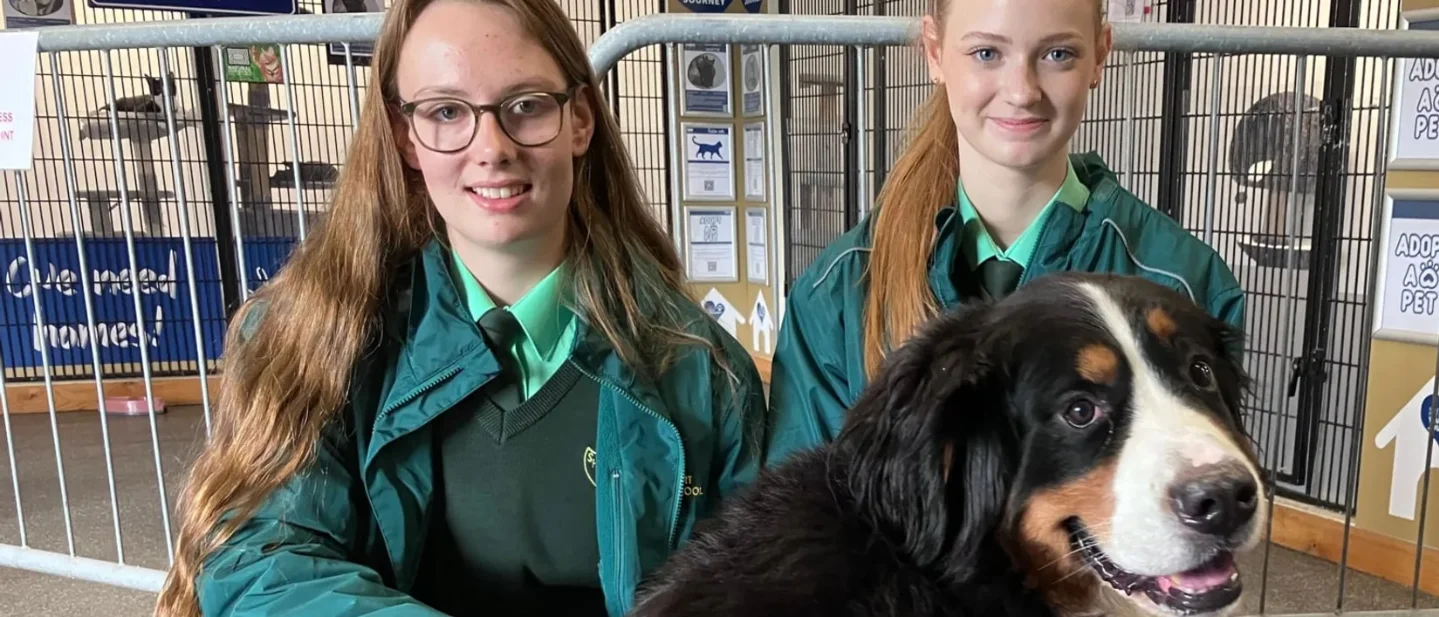
In Newry, two schoolgirls pack thousands of rations so hard-pressed families keep their pets
Volunteering weekly at the USPCA shelter in Newry, sixth-form students Niamh McAleenan-McQuade and Clare Reilly repackage bulk pet food into thousands of three-day rations for 50 foodbanks across Northern Ireland.

When household budgets break under rising utility bills and grocery inflation, the consequences reach the kitchen floor faster than most people realize. Pet owners facing financial emergencies often encounter an agonizing dilemma: feeding themselves or buying kibble for an aging terrier or family cat. In towns across Northern Ireland, animal welfare workers have watched older pensioners skip their own warm meals rather than leave an animal's bowl empty, while others surrender lifelong companions to overburdened shelters simply because commercial pet food has slipped out of financial reach. 1
I pay close attention to local volunteer logistics because lasting compassion rarely relies on grand charity galas. It depends on repetitive, dusty physical tasks that bridge the gap between community surplus and quiet household desperation.
A school partnership that built a county lifeline
In Newry, County Down, that practical bridge runs through the regional headquarters of the Ulster Society for the Prevention of Cruelty to Animals (USPCA). Founded in 1836, the charity is the second oldest animal welfare organization in the world. 2 Alongside veterinary surgeries, cruelty investigations, and wildlife rescues, the team operates an emergency pet foodbank designed to keep pets in their existing homes during severe family hardship. 2
The labor that powers this distribution relies on a steady weekly relay of local teenagers. Four years ago, the USPCA approached Sacred Heart Grammar School in Newry to establish a structured volunteering partnership coordinated by Fiona Quinn, head of Key Stage 5. 1 Since then, around 30 students have joined the roster. 1
Among them are sixth-form A-level students Niamh McAleenan-McQuade and Clare Reilly. Every week, balancing exam revision, part-time jobs, and personal commitments, both students arrive at the Newry facility to measure, divide, and pack donated animal provisions. 1 To date, the pair have personally packaged thousands of emergency rations for animals across Northern Ireland. 1
Loading stats card…
The rhythm from bulk sacks to fifty foodbanks
The workflow inside the storage warehouse requires sustained manual labor. Public donors, pet shops, and regional suppliers send commercial dry food to Newry in heavy 15-kilogram and 20-kilogram bulk sacks. 1 The students portion this stock into portable, sealed three-day emergency bags for dogs and cats. 1
Once packed, the USPCA vans deliver these bundles to more than 50 community foodbanks throughout the region. 1 Families visiting their local pantry for essential groceries can collect pet rations discreetly from the same shelf, avoiding the stigma of separate charity applications.
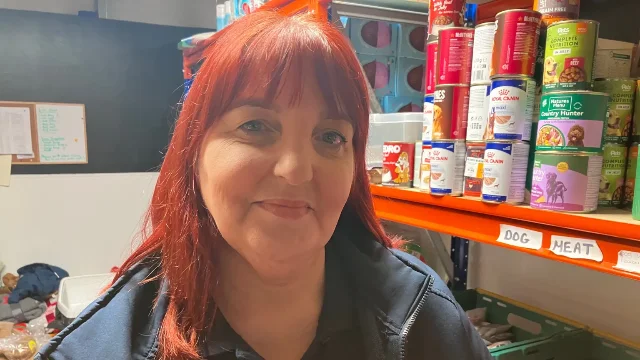
Jill McBurney, volunteer coordinator at the USPCA, has observed the direct relief this supply brings to households under financial pressure. During the height of the pandemic and through recent spikes in utility prices, staff regularly encountered owners eating smaller meals so their dogs could eat. 1 Providing dependable kibble removes the immediate pressure to abandon a pet at a shelter gate, preserving companionship when an owner feels most isolated.
Calming shelter arrivals through patient grooming
As their volunteering developed, Niamh and Clare expanded their shifts into animal handling and shelter welfare. New arrivals at the rescue centre often enter with severe anxiety from neglect, abandonment, or the sudden loss of an owner. 1
Both students began spending their afternoons washing, grooming, and socializing shelter dogs and rescue cats. 1 Niamh, an experienced competitor in dog agility contests who plans to pursue a career in veterinary care, notes that grooming a large Bernese Mountain Dog requires far more patience than washing a smaller Cockapoo. 1
For Clare, the placement provided her first experience with structured charity work. She learned how gentle bathing, towel-drying, and consistent warmth can settle animals that tremble when strangers approach. 1
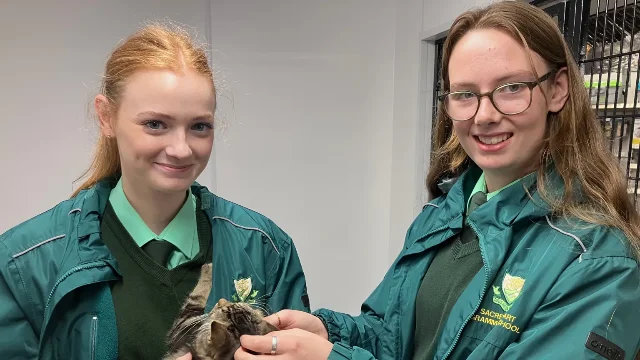
Their commitment earned the Sacred Heart volunteers a place among four finalists for the BBC Make a Difference Awards 2026 in Northern Ireland's Animal category, alongside hospital therapy dogs and wildlife rescuers. 13
The ongoing strain on regional rescues
While community donations provide vital relief, the underlying pressures on Northern Ireland animal shelters remain intense. Veterinary medication costs and wholesale pet nutrition have risen sharply across the UK, leaving independent charities carrying substantial operating deficits. In 2025 alone, the USPCA distributed 7,164 food parcels while responding to 2,471 wildlife rescues and conducting thousands of veterinary consultations. 2
Readers wishing to support this network can contribute directly to the USPCA Pet Foodbank appeal, where a monthly contribution of £15 covers five emergency three-day food parcels for struggling families. 4 The charity also accepts unopened sacks of dry kibble and tinned meat at its Newry centre, while prospective volunteers can register through the USPCA volunteer portal. 5
Real community protection endures in the quiet diligence of young people who give up their weekly free time to scoop dried kibble into bags, wash and warm anxious shelter arrivals, and protect the bond between vulnerable neighbors and the companion animals who share their lives.
References
- 1
- 2
- 3
- 4Support the USPCA
uspca.co.uk
- 5Volunteer with the USPCA
uspca.co.uk
This story was produced automatically by a channel. One sentence is all it takes for Neodrop to keep producing for you.
Related content
More from this channel
- Mange leaves Nashville's foxes bald and hungry. Jerry Vandiver catches them.
- Jade Reed was born in 1996. Her umbilical cord saved a child in Australia
- The keys first: eight Westminster tenancies, and the idea England is now funding
- From 365 marathons to century-old brass bands: Cumbria celebrates its everyday community heroes
- In Surrey, 3,700 doctor's trips a year depend on an open passenger seat
- Thirty-one minutes, 1,000 vertical feet, and a cooler of blood
- In a Norfolk seaside hall, 200 dancers found their chosen family
- At London's Horniman, 25 tonnes of rubble became a living garden