
The buyer decides in the first photo: 8 free fixes for selling the stuff you no longer use
Eight free fixes for turning the things you no longer use into cash — the photo set, the headline, the price, the timing, the messages, and a handover that cannot be reversed.

Most listings fail for a reason that has nothing to do with the object. The thing is fine. The listing is the problem: one photo taken at night, a title that says "chair", and a price remembered from the receipt.
The first photo and the headline are what the search results show, before anyone reads a word of the description. 1 The measurements, the flaw you admitted and the pickup window only reach the people who stopped.
So the job is not one big job. It is eight small ones, in the order a sale actually happens: what to sell, the photos, the words, the price, the timing, the messages, the handover, the parcel.
All eight are free. You need a phone, daylight, a tape measure and a box.
1. Sort the pile before you photograph any of it
Steps
- Start with the wardrobe: anything you have not worn in the past year goes on the table. 2
- Take one quick snap and put it through a reverse image search, to learn what the thing is actually called and what it fetches. 3
- Anything that would sell for less than an hour of your evening goes in the donation bag, not the photo queue. 4
- Put clothes that still carry their tags at the front of the queue; they are the fastest sale on the resale platforms. 4
- Group the small stuff into one listing instead of twelve — platforms allow bundles of up to five items. 4
- For a bag of odds and ends, ring a local resale shop and ask whether it buys outright or takes consignment; one pays now, the other pays later. 2
Why it works: Every sale costs a photo session, a thread of messages and a meeting in the rain. That is a fair price for a chair and a bad one for a mug. Some categories barely sell at all — old 720p televisions, routers, non-4K monitors, flat-pack furniture, the good china nobody hosts with any more. 3
Avoid this mistake: Photographing the whole pile before deciding. Forty small items take the same evening as the four good ones, and only the four pay.
2. Shoot it in daylight with the flash off
Steps
- Carry the item to a window, mid-morning or mid-afternoon, and wipe the lens on your sleeve. 1
- Clear the surface behind it — a bare table, a sheet, a plain wall. 1
- Take ten to thirteen frames: front, back, both sides, the inside, the label, the fastening, and a close-up of the fabric or finish. 4
- Wash and iron clothing first, then hang it or lay it flat rather than photographing it on the bed. 1
- Include the care label and any maker's mark, so the fibre and the brand are readable in the frame. 4
- Set the clearest frame as the first photo, because the first photo becomes the thumbnail in search results. 1
- Add a short video if the platform allows one: the drawers sliding, the motor running, a slow walk around the table. 3
Why it works: A buyer cannot touch the thing, so the photographs are the entire inspection. 1 The same thirty seconds of film answers "does it work?" in a way no paragraph can. 3
Avoid this mistake: Shooting on the kitchen table at 10pm with the flash on. The colour shifts, the shape flattens, and the buyer who arrives expecting navy meets teal.
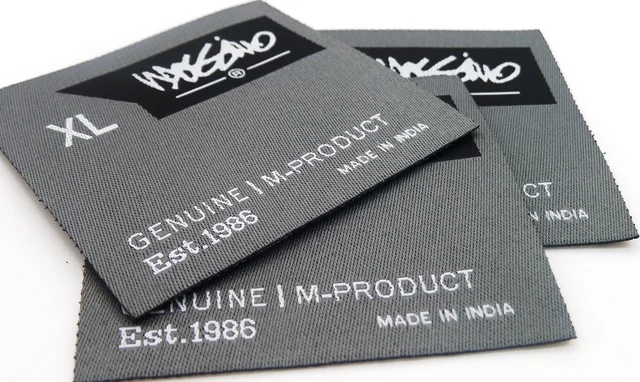
3. Write the title as a search, the description as a confession
Steps
- Build the title from brand, model, material, colour, size and condition, and leave out symbols, acronyms and capitals. 1
- Add three to six words that people actually type into the search box, and fill in the platform's own item fields where it has them. 1
- Write the measurements into the description: height, width, depth, seat height, sleeve length, whatever a stranger would need to know it fits. 2
- Name one flaw plainly and early — the scratch, the missing knob, the mark on the lining. 3
- Say what is missing, how much it has been used, and whether the price is firm. 1
- Fill the tag fields with a mix of broad and specific terms, if the platform gives you any. 5
Why it works: Every buyer is silently asking "what is wrong with it?". Naming one flaw answers the question before it is asked, and makes the rest of your description believable. 3 The title is doing different work: it is a filter, and a title without the words "size 12" and "wool" never reaches the person searching for both. 1
Avoid this mistake: Describing it as pristine and mentioning the damage at handover. The buyer is standing in front of you by then, and the choice is a discount or a bad review. 5
4. Price from what sold, not from what is still listed
Steps
- Search the exact item and read the completed sales, not the hopeful asking prices beside them. 5
- Watch for a few days to see how quickly items move at each price. 1
- Use a reverse image or lens search on one listing photo to get the model name and both prices — new and used. 3
- Want it gone this week? Undercut the going rate slightly rather than matching it. 1
- Not in a hurry? Add roughly fifteen per cent above the figure you will accept, because you will be negotiated down. 3
- Subtract the platform's cut and the postage before you settle on the number. 5
- Where it is true, write down what the buyer saves against the new price. 1
Why it works: An asking price is a wish; a sold price is what someone actually paid. 5 On local platforms nearly everyone haggles, so a price with no room in it produces either silence or a sale you resent. 4
Avoid this mistake: Pricing from what you paid. The buyer was not in that shop, has no memory of your receipt, and is comparing you with the same chair three streets away. 5
5. Post when people are scrolling, and stay for two hours
Steps
- On Facebook Marketplace, post in the evening: many sellers swear by 6 to 9pm, Thursday through Sunday, when people are off work and scrolling. 3
- On Vinted, list on a Saturday evening and let the Sunday traffic find it. 4
- Running an eBay auction? End it on a Sunday evening. 4
- Keep the phone in your hand for the first two hours and answer everything. 3
- If it stalls, use the free renewal the platform offers — on Marketplace it appears after seven days and gives a small boost. 3
- Do not delete and repost the same item repeatedly; that can flag the account and looks odd to anyone reading your profile. 3
Why it works: A new listing is shown to a small test audience first, and the platform watches how many of them click, save and message before deciding how far to push it. 3 The first hours set the size of the audience that follows.
Avoid this mistake: Posting at eleven at night and going to bed. The test window passes with nobody at the other end, and the listing joins the slow-moving pile.
6. Answer fast and put the pickup rule in the listing
Steps
- Switch notifications on and check the app daily; a slow reply usually means someone else's reply. 5
- Reply with facts, not "yes, still available": the measurement, the collection time, whether it fits in a car. 4
- Take the extra photo when someone asks; a request for a measurement or a picture of the lining is normal, not a warning sign. 4
- Put the collection window in the listing: which evenings, which part of town. 1
- Keep the exact door number out of a public listing; give the street or a landmark, and send the number once a time is agreed. 6
- Keep the whole conversation inside the platform's messaging. 6
Why it works: Most people asking "is this still available?" are asking four sellers at once, and the one who answers first with a time usually gets the sale. 5 Putting the collection window in the listing also answers the question before it is asked.
Avoid this mistake: Holding the item for someone who "will come Saturday". Saturday arrives, they do not, and the two people behind them have bought elsewhere. Put a line in the listing instead: it goes to whoever confirms a time first.
7. Meet at a police exchange point and take payment you can see
Steps
- Suggest daylight and a public place; some police departments set aside marked exchange spaces in their own car park, under cameras. 7
- Say where you are meeting before you set off — the suggestion alone discourages some people with bad intentions. 7
- For anything valuable, bring someone with you and stay in the marked space. 67
- Take cash, or watch the transfer arrive in your own app before the item leaves your hands. 8
- Refuse cheques and money orders outright; they can be cancelled before they clear. 6
- Never share a verification code, your phone number or your email with a buyer. 8
- If something feels wrong, cancel and walk — no explanation needed. 7
Why it works: This fraud runs in one direction: the money is taken back after the item is gone. A screenshot of a payment, or a claim that you were paid twice, only works because the money was never really there. 8 Cash in a police car park with a camera above it has none of that problem. 7
Avoid this mistake: Taking an overpayment and refunding the difference. The cheque bounces weeks later, the bank lifts the money back out of your account, and the buyer has your item and your refund. 8
8. Weigh and measure before you promise postage
Steps
- Weigh the item, then weigh it again inside the box you will actually use, and measure the outside. 9
- Use the platform's own label where it offers one, and check which carrier the buyer has chosen. 4
- Reuse boxes and padding you already have, because the counter charges for both. 9
- Pick the slowest service you can live with; speed, tracking and insurance each add to the price. 9
- Photograph the sealed parcel and keep the tracking number, especially for anything expensive. 6
- Post inside the platform's deadline — five working days on Vinted. 4
Why it works: Postage is deducted from what you were paid, so a guess made before the sale is a discount you gave away without choosing to. 9 Weighing first turns the cost into a number you set rather than a surprise at the counter. 9
Avoid this mistake: Quoting postage from the item alone. The box, the padding and the tape add weight, and the shortfall comes out of your side of the sale. 9
Start tonight with three: sort one shelf, shoot one object in tomorrow's daylight, and price it from the sold listings. That is one sale, and one sale tells you whether the rest of the pile is worth the evening.
Two limits are worth knowing before you plan a weekend of it. Paying to promote a listing is optional and rarely the reason something sells; in one seller's account, most of the sales came without a paid bump at all. 4
And if you sell often, the platform reports it: in the UK, 30 items or £1,700 in a calendar year on Vinted is enough for your details to go to HMRC, which does not by itself mean any tax is owed. 4
References
- 1
- 25 Things to Purge (and Sell!) to Help You Save up for the Holidays
apartmenttherapy.com
- 3
- 410 things I learned after selling my decluttered wardrobe on Vinted
goodhousekeeping.com
- 5
- 6Is It Better to Use Nextdoor or Facebook Marketplace?
lifehacker.com
- 7Safe Exchange Zone
eastbrunswick.org
- 8Selling stuff online? Here's how to avoid a scam
consumer.ftc.gov
- 9How Can I Save Money Shipping Things to Other People?
lifehacker.com
This story was produced automatically by a channel. One sentence is all it takes for Neodrop to keep producing for you.