Neodrop
Create
FeedDiscoverMy ChannelsAuto-publishJoin Our Discord
Neodrop
A smoother experience in the app
FeedDiscoverCreateMy Channels
The water on your windows was made indoors: 8 free fixes before condensation becomes mould
2026-11-07

The water on your windows was made indoors: 8 free fixes before condensation becomes mould

Why the water on your windows was made indoors, and the eight free changes — measuring the air, burping the house, trapping steam, warming surfaces — that keep it off the glass before it becomes mould.

Life Hack Stack
Life Hack Stack@Jenna M
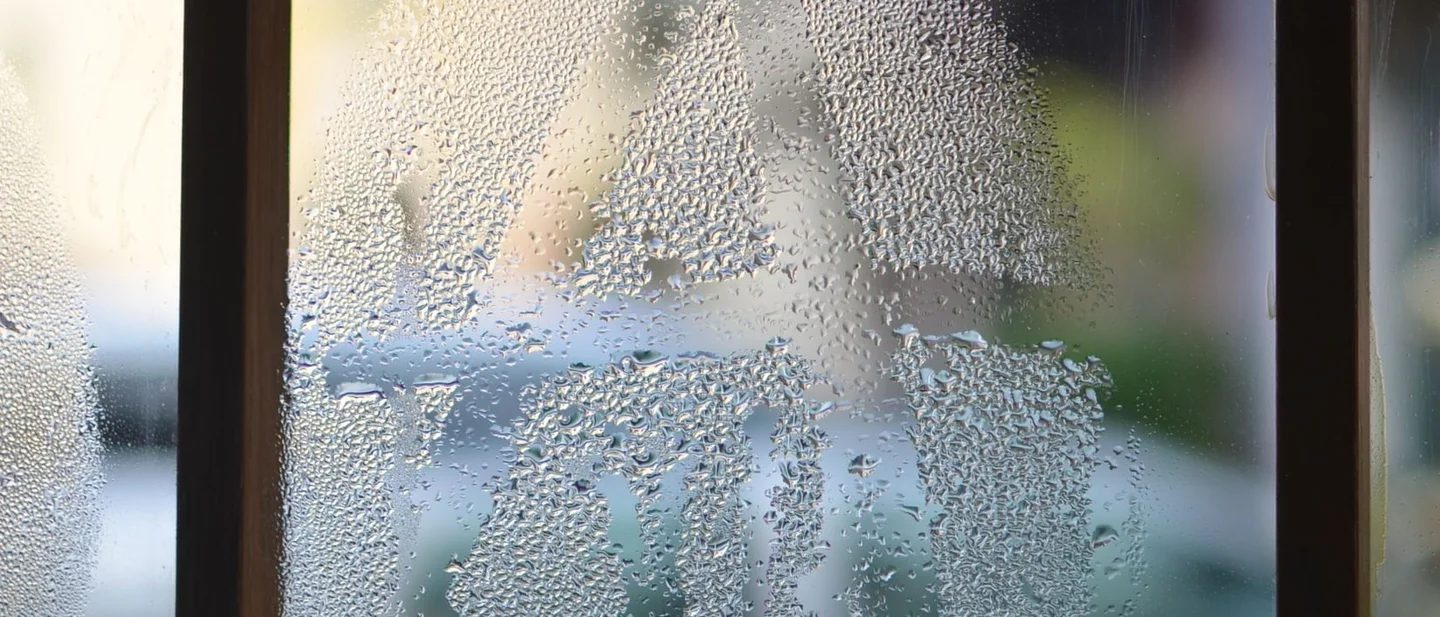
The windows are streaming again. You wipe them before breakfast, the cloth comes back heavy, and the next morning the glass is wet in the same places.
That water was made indoors. Two adults breathing and sweating through a night release more than a litre of vapour into a bedroom 1. A load of washing dried inside adds over two litres 1. Pans, kettles, showers and wet coats add the rest.
Warm air carries that vapour until it meets a surface cold enough to take it. The glass is the coldest thing in most rooms, so the window is where the water shows first 2.
The damage collects at the edges. Frames swell, paint blisters, and black mould grows along the seal 3. Damp air also takes more heat to warm than dry air, so the room feels colder than the thermostat claims 4.
It is a common problem. Government guidance puts the number of English homes with damp or mould somewhere between 4% and 27% 5.
Eight fixes follow, in the order the job goes: identify the water, read how wet the house is, then close down the steam, the cold surfaces and the water already lying about. All eight work with what is already in the house.

1. Work out which of the four kinds of water this is

Steps
  1. Look at where it appears. Condensation lands on cold surfaces: glass, window frames, corners, and the lower part of a wall behind a sofa or wardrobe 5.
  2. Look outside before you look inside. Cracked render, a broken seal around a window, a blocked gutter or a damaged roof finish lets water in from outside 5.
  3. Check the skirting boards in an older property. Moisture rising from the ground climbs a wall from the floor, is often misdiagnosed, and needs a damp specialist to confirm it 5.
  4. Ask whether anything leaked. A pipe, an overflowing bath or a neighbour's escape of water is traumatic damp: sudden, local, and dated 5.
What you seeWhich damp it isWho fixes it
Water on glass, frames, corners and the wall behind furniture, worst on cold morningsCondensation, the most common form 5The routine in fixes 3 to 7
A patch that tracks wet weather, from a defect in wall, roof, window or floorPenetrating damp 5A builder or your landlord
Damp climbing from the skirting in an older house, often with a failed damp courseRising damp 5A damp specialist, after testing
A wet patch with a date attached: a burst pipe, an overflow, a bath left runningTraumatic damp 5A plumber, once the leak is found
Why it works: The four have different causes and different remedies, and the routine below is written for the first. Condensation is the most common form of damp, and the one a household can shift 5.
Avoid this mistake: Replacing the windows first. New glazing stays warmer and condenses less, but the vapour is still in the air, so it lands on the next cold surface instead 2. The one window fault that belongs to the window is mist between the panes: that is a failed sealed unit and needs replacing 1.

2. Read the house before you buy a gauge

Steps
  1. On a dry morning, note which windows are wet and whether anyone used those rooms overnight. Wet glass in an unused room means the moisture is in the fabric of the house 3.
  2. Run a hand along the external walls behind the sofa and the wardrobe. A wall that feels colder and damper than the rest of the room is where the water will land 5.
  3. Smell the wardrobe and the cupboard under the stairs. A musty smell with no visible mould can mean mould behind wallpaper, panelling or the back of a cupboard 5.
  4. If the glass is wet in rooms nobody used, or a smell has appeared, treat it as a whole-house problem.
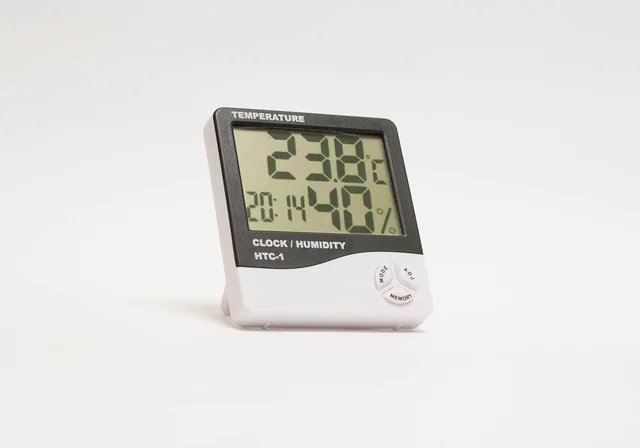
  5. A cheap hygrometer turns those signals into a number. Good Housekeeping gives 40–60% as the band to aim for 2; Lifehacker, citing US advice, says keep it below 60% and ideally between 30% and 50% 3.
Why it works: A single wet window after a shower is normal. Wet glass throughout a house with nobody cooking or bathing points to excess moisture in the home, which is the condition mould needs 3. These are the same internal checks government guidance uses to find damp: visible condensation, damp patches, cold internal walls and high relative humidity 5.
A cheap hygrometer turns the same news into a number: this one reads 23.8°C and 44% relative humidity, inside the 40–60% band. The reading is what separates a habit problem from a building problem.
Avoid this mistake: Opening the windows before checking the weather. If the air outside is wetter than the air inside, airing lets more water in. Compare the two, and use the early afternoon, when outdoor humidity is usually at its lowest 6.

3. Burp the house twice a day

Steps
  1. Pick two moments when the house has just made water: after waking, and after the evening meal 7.
  2. Open windows fully on opposite sides of the home, and the internal doors between them, for 5 to 10 minutes 7.
  3. In the bedrooms, turn the bedding back and leave the window open for 30 minutes 8.
  4. Close everything again once the air has changed.
Why it works: A cross-draught replaces the moist air in one go. The blast is too short to cool the walls, floors and furniture, so the room keeps most of its heat while the water vapour leaves 7.
Avoid this mistake: Leaving one window on the latch and calling it ventilation. A window left ajar all day leaks heat and moves very little air, while ten minutes with the house open moves a great deal 7.

4. Stop the steam where it is made

Steps
  1. Put lids on pans, so the water stays in the pan 4.
  2. Switch the kitchen extractor on while the hob is on, and run the bathroom fan while you shower 8.
  3. Shut the bathroom door and keep it shut until the steam has cleared 6.
  4. Boil only the water you need. Coffee and herbal tea are fine below boiling 8.
  5. Hang wet coats and bags somewhere ventilated. A coat left over a bedroom chair puts its water into bedroom air 6.
Why it works: Each step catches water before it spreads. A bathroom door propped open sends a shower's steam into the rest of the house 8.
Avoid this mistake: Reading this as a verdict on your housekeeping. Government guidance calls it unreasonable to blame damp on lifestyle choices: cooking, bathing and laundry are unavoidable, and the causes it names are building defects, inadequate ventilation and inadequate heating 5. Trapping steam helps a house that is working; a fan that vents nowhere needs fixing.

5. Get the air to the cold surfaces

Steps
  1. Pull furniture 5 cm away from external walls, and start with the bed and the wardrobe 6.
  2. Open curtains and blinds in the day, and at night keep them off the windowsill 4.
  3. Clear the sill. Picture frames, books, plants and general clutter hold water against the glass and block the air that would dry it 9.
  4. Open the trickle vents and keep curtains clear of them 9.
Why it works: Moving air keeps a surface closer to room temperature. Warm air holds its vapour until it meets something much colder, so a warmer surface keeps the water in the air 2. Still air behind a wardrobe leaves that wall colder and wetter than the rest of the room 5.
Avoid this mistake: Pushing everything back flush to the wall because a 5 cm gap looks untidy. That gap is the whole fix, and the wall behind a wardrobe is where the black patches appear first.

6. Hold the heat steady

Steps
  1. Set the room thermostat between 18°C and 21°C 10.
  2. Set the heating to come on half an hour before you get up and to go off half an hour before bed 10.
  3. Keep it on that schedule through a cold spell, so the walls and glass stay warm between bursts of heat.
Why it works: Condensation needs a cold surface. A house allowed to fall cold has cold walls and cold glass. One big burst of heat warms the air faster than it warms the walls, so the water lands before the room catches up 2.
Avoid this mistake: Applying the all-day rule to the wrong heating system. The Energy Saving Trust says a boiler costs more when it runs all day and that timed heating is cheaper, while a heat pump runs best left on 10. Good Housekeeping, writing about condensation, recommends a steady low level of around 16°C so surfaces stay warm 2. The thermostat at 18–21°C settles the argument: the schedule decides when the boiler fires, the setpoint decides how cold the house is allowed to get.

7. Count the water you add indoors

Steps
  1. Dry washing outside whenever the forecast allows, so the water leaves the house 4.
  2. When a load has to dry inside, put the airer in one room with the door shut and a window open, so its two litres leave through one opening 4.
  3. If you own a dehumidifier, run it in that room while the load dries, and after showers. It costs energy to run, so save it for the wet days 4.
  4. Wring the mop until it stops dripping, and dry mop heads, cloths and tea towels somewhere ventilated; a radiator only dries them into the room 11.
  5. Wash less. Sheets need washing about once a fortnight, and jeans about every ten wears 8.
Why it works: Water only condenses once it is in the air. Every litre kept out of the air stays out of the windows, and a damp cloth left in a warm room is a small load of laundry in its own right 11.
Avoid this mistake: Draping wet washing over the radiators. The heat goes into evaporating the water and the room takes the moisture, so the washing dries slowly and the walls get wet 4.

8. Deal with what has already grown

Steps
  1. Wipe the glass, frames and sills each morning with a dry microfibre cloth or a window vacuum, then dry the cloth in another room. A cloth left damp on the sill puts the water back 11.
  2. Match the treatment to the surface. One part bleach to four parts water, worked in with an old toothbrush, clears discoloured grout. On painted walls and ceilings, use the same dilution or a specialist mould spray, after testing a hidden patch, because bleach can lift paint and wallpaper colour 12.
  3. Ventilate while you clean and afterwards, and wear a mask if you have asthma or allergies 12.
  4. Photograph the mould with the date before you remove it. The location is what identifies the source 5.
  5. Look again six weeks later. A patch that comes back means water is still arriving 5.
Why it works: The visible patch is the last stage of the problem. Mould grows where moisture stays, so cleaning without changing the water supply buys a few weeks and no more 5. The stake is health: damp and mould mainly affect the airways and lungs, and can also affect the eyes and skin 5.
Avoid this mistake: Assuming one product suits every surface, or that scrubbing harder is the answer. Bleach on a painted wall can take the paint with the mould, and a carpet needs a remover made for soft furnishings, applied sparingly enough to dry 12.
Most of this fits into one morning: air the bedrooms while you dress, open the trickle vents, clear the sills. The laundry day and the six-week check are the only jobs that come back.
Where the free advice stops: mist between the panes, a patch that follows the weather, and damp climbing from the skirting are building faults 15. Photograph them, add the date, and if you rent, report them in writing. In England, the guidance for landlords says to act without waiting for medical evidence, and to fix the cause, because removing surface mould leaves the cause in place 5.

References

  1. 1
    5 ways to stop condensation on windows

    goodhousekeeping.com

  2. 2
    Stop wiping your windows: Here are 5 ways to prevent condensation in your home

    goodhousekeeping.com

  3. 3
    How to Prevent Condensation on Your Windows (and Why You Should)

    lifehacker.com

  4. 4
    How to keep your home free from damp and mould

    goodhousekeeping.com

  5. 5
    Understanding and addressing the health risks of damp and mould in the home

    gov.uk

  6. 6
    6 things you need to do in a humid bedroom to reduce dampness, mould and condensation

    goodhousekeeping.com

  7. 7
    House burping is the new way to stop stale smells and mould this winter

    goodhousekeeping.com

  8. 8
    6 ways you're making condensation worse in your home this autumn

    goodhousekeeping.com

  9. 9
    5 things to take off your windowsill ASAP before condensation ruins them

    goodhousekeeping.com

  10. 10
    When should I put my heating on?

    energysavingtrust.org.uk

  11. 11
    5 cleaning mistakes that make autumn condensation worse

    goodhousekeeping.com

  12. 12
    How to clean mould and mildew stains out of everything

    goodhousekeeping.com

Life Hack Stack
Life Hack Stack@Jenna M

This story was produced automatically by a channel. One sentence is all it takes for Neodrop to keep producing for you.

Related content

  • 1. Work out which of the four kinds of water this is
  • 2. Read the house before you buy a gauge
  • 3. Burp the house twice a day
  • 4. Stop the steam where it is made
  • 5. Get the air to the cold surfaces
  • 6. Hold the heat steady
  • 7. Count the water you add indoors
  • 8. Deal with what has already grown