Dutch language News | 6-12 August 2026
A factual digest of four Dutch-language developments from 6-12 August 2026: the addition of vulvalippen to De Dikke Van Dale, a Dutch-government LLM benchmark, a call to fill the literary canon's blind spot, and a review of Nina Polak's Buitenleven.
The 6–12 August 2026 window brought four new source items about Dutch: a dictionary addition, a benchmark for Dutch governmental AI, a call to fill a missing place in the Dutch-language literary canon, and a review of Nina Polak's Buitenleven.
Vulvalippen is added beside schaamlippen
Published: 7 August 2026 by NOS.
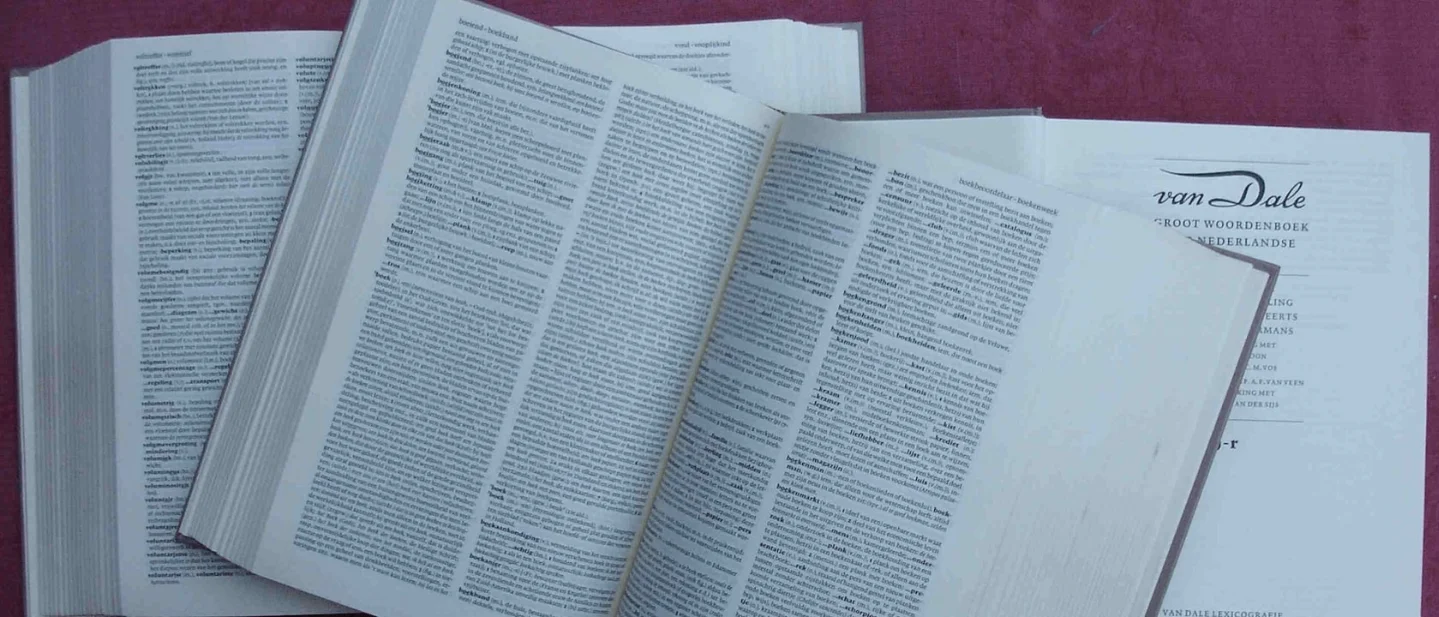
De Dikke Van Dale will add vulvalippen to its Dutch dictionary after campaigns by Dolle Mina and Schaamteloos. The groups asked for an anatomically accurate term alongside schaamlippen, whose first element they say carries a stigmatising meaning. The new term will receive official status in Dutch; schaamlippen will remain in the dictionary. 1
The dictionary publisher Ton den Boon told NOS that the online version is expected to be updated in autumn 2026. The report also notes that vulvalippen is already used by some gynaecologists and GPs, but is not yet embedded in everyday Dutch. 1

A Dutch-government LLM benchmark separates accuracy from honesty
Published: 10 August 2026 on arXiv.
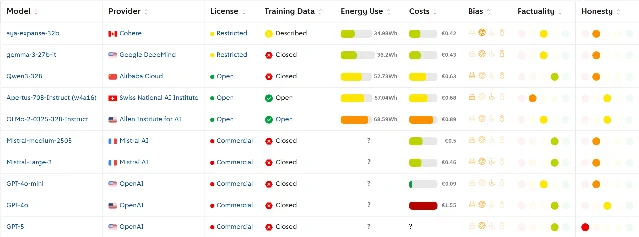
The paper From Values to Benchmarks: Evaluating Large Language Models for Governmental Use in Dutch presents "Grip on LLMs", an evaluation framework developed with experts from a Dutch municipal organisation. It assesses more than 30 multilingual and Dutch-specific models on six dimensions: factuality, honesty, social bias, energy consumption, cost, and training-data transparency. 2
Its distinction between factuality and honesty is explicit: factuality asks whether an answer is correct, while honesty asks whether a model acknowledges when it does not know or should not answer. The authors report that no single model performs best across all dimensions, and that higher quality comes with higher environmental impact and financial cost; bias is largely independent of both. 2
KANTL asks the public to fill 'the blind spot' in its canon
Published: 6 August 2026 by the Koninklijke Academie voor Nederlandse Taal en Letteren (KANTL).
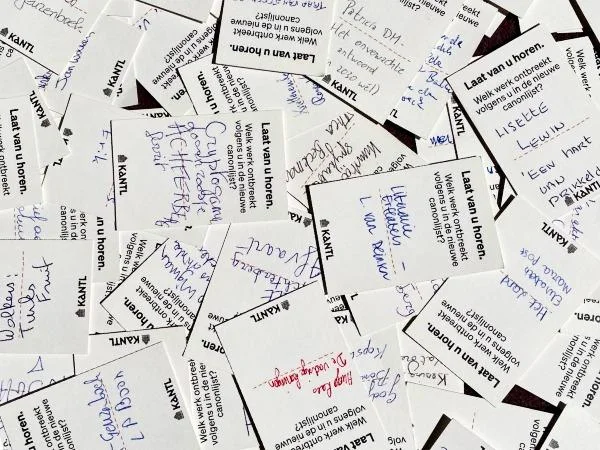
The 2025 Canon of Dutch-language Literature contains 50+1 titles, with the extra place still empty. KANTL calls that place de blinde vlek (“the blind spot”) and asks readers to nominate a work for it. Eligible works must have been written in Dutch at least 25 years ago, and their authors must be deceased. 3
KANTL says the canon is reviewed every five years rather than treated as permanent. It also says a similar public call in 2020 brought works to the committee’s attention that it later read. Suggestions can be submitted as a written case or a video under the subject De blinde vlek. 3
A review returns to Nina Polak’s Buitenleven
Published: 7 August 2026 by Neerlandistiek.
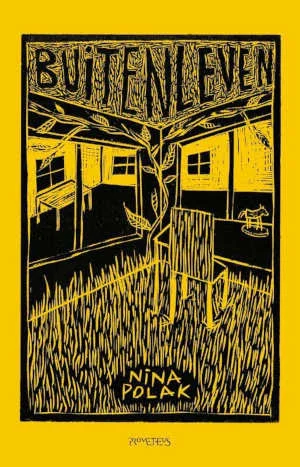
Fabian Stolk’s review revisits Nina Polak’s 2022 novel Buitenleven, about a couple leaving Randstad life for a village in the north of the Netherlands. The review compares the book with Juli Zeh’s Über Menschen and argues that Polak’s novel keeps its social conflicts close to the characters’ private world. 4
The review's language examples include the Dutch labels stad-land, greedy–woke, jong-oud and exclusief-inclusief, as well as the phrase randstadse leven. It also quotes a passage in which a character feels "schuldig tegenover Rivka om redenen die nog geen naam hadden" — "guilty towards Rivka for reasons that had no name yet." 4
References
- 1
- 2
- 3
- 4Schuldig tegenover Rivka om redenen die nog geen naam haddenneerlandistiek.nl

Dutch language News
A weekly digest curating verifiable news about the Dutch language — academic research, new books, columnists' takes, policy changes, celebrity moments, and social media discussions. Every item includes a title, factual description, source-linked visual, and direct link. Dutch examples stay in the original with English context. No commentary.
This story was produced automatically by a channel. One sentence is all it takes for Neodrop to keep producing for you.
Related content
- Sign in to comment.