Your car is not a winter car yet: 8 free fixes before the first frost
Eight free checks for the car you already own — battery, tyres, lights, wipers and wash, the frozen screen, the misted screen, oil and coolant, and the kit in the boot — each with the steps, the reason it works, and the mistake that costs you the morning.

A car that behaved all summer becomes a different machine on the first cold morning. Two things change at once. Battery power falls as the temperature drops — in a petrol or diesel car the engine needs more of it to turn over, and in an electric one the range shortens — while tyre inflation pressure falls with the temperature too, so the tyres you are trusting were set for a warmer week. 1 The windscreen you could see through in September is now the part of the car you spend ten minutes arguing with before work.
What goes wrong is usually ordinary rather than dramatic. The RAC's patrols deal with more than 400,000 battery-related faults every winter, and when they check oil levels on the cars they attend, one in three is dangerously low. 2 The consequences can be worse than a wasted morning: in snow or sleet in the United States in 2023 there were 320 fatal crashes and an estimated 22,293 injury crashes. 1 Almost all of the cost of a cold morning is time — and almost all of it is avoidable with checks you can do in your own driveway, in daylight, while the weather is still mild.
Here is the shape of it. The first three fixes are about the morning you try to leave: the battery, the tyres and the lights. The next three are about the glass you have to see through: the wipers and the wash, the frost on the outside and the mist on the inside. The last two are the things that turn a small problem into an expensive one: the oil and coolant under the bonnet, and the kit you carry for the day the car does not start at all. Everything is free or close to it — the only money in the whole list is a bottle of winter screen wash, some de-icer, and anything for the kit that the house does not already own. Before you begin, it is worth knowing that many garages offer a free or inexpensive winter check covering the battery, lights, fluids and tyres, so ask yours what it will do before you pay anyone for anything. 3
1. Start with the battery, because the cold finds the weak one
Steps
- Find out how old the battery is, and start treating it as a suspect once it is over four years old. That is roughly when the RAC says a battery may be getting to the end of its life and could let you down, which is exactly what a hard frost does to a battery that was only just coping. 2
- Listen to the car before you do anything else. If it struggles to start and the engine "labours" when you turn the key, that slow, heavy cranking is the symptom worth acting on now rather than in January. 2
- Get it tested rather than guessing. A garage — or an auto parts store in the United States — can test the battery and tell you where it stands; the figure worth knowing is anything below about 12.4 volts, which is the point at which a new battery is worth considering before the cold settles in. 4 Ask whoever tests it to check the charging system and the drain on the battery as well, because that is what tells you whether the fault is the battery or something that is quietly flattening it. 2
- With the engine cold, open the bonnet and look at the two terminals. They should be clean and tight; white or green fur on them is corrosion, and it belongs to a garage or to a job you do deliberately. 2 A proper terminal clean means disconnecting the cables in a set order and reconnecting them in another, which is why it is worth handing over if you are not comfortable with it. 4
- If it is an electric or plug-in hybrid, change one habit for the winter: keep it charged, and plug it in overnight in freezing weather. That keeps the battery closer to its working temperature range instead of asking it to heat itself from a low state of charge every morning. 1
Why it works: A battery is a chemical device, and cold slows the chemistry down while the engine it has to turn over gets stiffer. Both halves move in the wrong direction on the same morning: the power available drops and the power needed rises. 1 That is why the failure so often lands on the first genuinely cold day rather than on the day the battery actually dies — the battery has been marginal for weeks, and the cold is what finally makes it obvious. 2
Avoid this mistake: Do not jump straight to buying a battery because the car turned over slowly once. The same slow crank can come from a battery that is old, a charging system that is not keeping it topped up, or something draining it overnight, and a free test is what separates those three. 2 The other version of the mistake is deciding to clean the terminals properly on a whim: the cables have to come off in a particular order, negative first and positive second when you disconnect, and back on positive first and negative second, so either follow that carefully or let someone do it. 4
2. Set the tyre pressures cold, and measure the tread you have left
Steps
- Find the right number before you touch anything. It is on the label on the driver's side door frame or in the owner's manual, not on the tyre. The number printed on the sidewall is the maximum that tyre can hold, not the pressure your car is meant to run at. 1
- Check the tyres cold — which means the car has not been driven for at least three hours, so first thing in the morning or at the end of the day. One of those checks a month, plus one before any long trip, is the whole routine. 1
- Expect the reading to have dropped since the summer and top each tyre back up to the door-frame figure. The pressure falls as the outside temperature falls, so a tyre that was correct in August can be reading low by the time the mornings turn sharp. 1
- Measure the tread while you are crouched down there. The 20p test is the quick version: push the coin into the tread, and if you can see the inner rim of the coin, the tyre is getting near the legal minimum. 5 The legal minimum is 1.6mm, but 3mm gives noticeably better grip and is the figure worth working to for a winter — below 3mm, start planning the replacement. 35 If you run all-season or winter tyres, the depth experts recommend is higher still — do not go below about 4mm. 3
- Look at the tyres, not only the numbers. Cuts, bulges, cracking, scrapes and anything embedded in the tread are a tyre professional's job rather than a top-up, and tyres age even when they are not being used: some manufacturers say replace them at six years regardless of tread. 13
- Do not forget the spare, which is the tyre nobody checks until the worst possible moment. 1
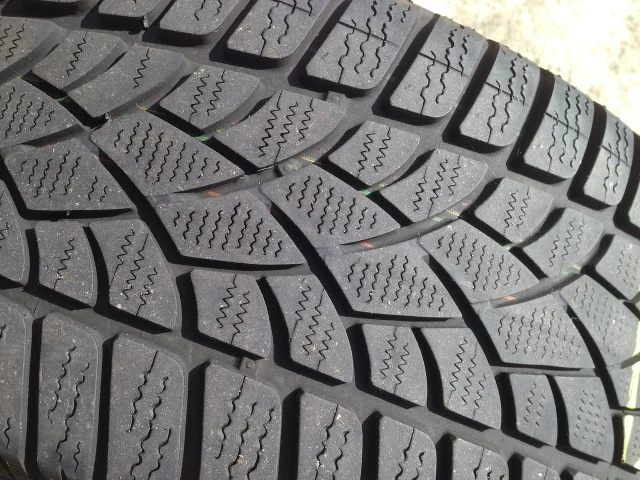
Why it works: The tyres are the car's only contact with the road, and everything a winter asks of them — grip on a cold wet surface, braking without a skid, staying stable on slush — depends on two things you can see with your own eyes: how much tread is left to move the water, and whether the pressure puts the whole contact patch on the road. Tyres hold the car and brake it; nothing else you check this month comes close in importance. 3
Avoid this mistake: The classic winter mistake is over-inflating to "make up for" the cold. It does not work and it makes the car worse: an over-inflated tyre wears down its centre faster, gives up grip because the contact patch shrinks, spoils the handling, and raises the chance of a blowout. Anything more than about 10 psi above the manufacturer's figure starts costing you traction and tread. 6 The second mistake is checking the pressures straight after a drive and topping up to the door-frame number — warm tyres read high, so you end up under-inflated when they cool. Check them cold, and check them against the label rather than against the number on the tyre. 1
3. Walk around the car with the lights on, while it is still daylight
Steps
- Put the lights on and walk a full circle: headlights on dip and main beam, brake lights, indicators, hazard flashers, reverse lights, and fog lights if you have them. 1
- Check the two you cannot see from the driver's seat by reflecting them. Facing a garage door or a plain wall works: turn the car so the wall is in front of you, put your foot on the brake, and watch the wall for the brake light glow; the same trick shows you a headlight that is dim or out on one side. 5
- Wipe the lenses while you are out there. Road dirt and salt cut the light a lamp actually puts on the road, and winter is when lights get filthy fastest — the RAC's advice is simply to clean them regularly. 2
- Replace anything that is out now, in daylight. Changing a bulb is a five-minute job at a kitchen table and a thoroughly unpleasant one on a wet verge in the dark, which is where the failure will otherwise find you.
- Treat the dashboard as part of the same check. A warning light that came on this week and was ignored is a message about the car, not a decoration. 5
Why it works: From late September onwards, more of your driving happens in the dark, and more of it happens in rain, spray and low sun. Lights have two jobs and both matter in winter: seeing where you are going, and being seen by whoever is coming the other way or following you. 2 Dirt is the underrated half of it — a lens coated in road film can be working perfectly and still throw half the light it should. 5
Avoid this mistake: Checking only the front of the car. The lights you can see from the driver's seat get looked at; the brake lights, the indicators and the number plate lamp do not, and they are the ones other people are reading in the rain. 1 The second version is the "it was working last week" assumption: a bulb that has just failed gives you no warning at all from inside the car, which is exactly why the walk-round exists.
4. Wipers and screen wash are the two things that keep the screen clear at speed
Steps
- Lift the wiper blades off the glass and look at the rubber. Splits, cracks and hardened edges mean replacement; blades that smear or leave arcs behind are doing the same job badly. 2
- Fill the screen wash reservoir with a winter additive or a pre-mixed solution that stays effective down to at least −15°C. The RAC's figure is the one worth checking on the bottle, because a weaker mix is what freezes in the tank. 2
- Free the blades before you switch them on. De-icer or warm — never hot — water does it, or lift the arms and separate the rubber from the glass by hand. 2
- If you live somewhere that gets real snow and ice, winter blades are worth having for the season — they are heavier and made of rubber, which is exactly why they should come off again in spring, since they work the wiper motor harder. 4
- Keep a spare bottle in the boot. A single slushy motorway drive can use most of a reservoir, and running dry is how you end up with a screen you cannot see through at exactly the wrong moment. 3
Why it works: Winter roads are covered in the two things that ruin visibility: salt and grit thrown up as spray, and low sun that turns a smeared screen into a fog. The wash and the wipers are the whole system that deals with both, and both are consumables — the fluid runs out and the rubber degrades. 3 The wipers are also the part that breaks itself: the RAC says its patrols see a big increase in callouts for cars that have blown a fuse or damaged the wiper motor by switching the wipers on while they were frozen to the glass. 2
Avoid this mistake: Never fill the reservoir with plain water. It has no frost protection, so it freezes in the tank and the pump, and the RAC is called out every cold snap to cars whose screen wash has turned to ice. 2 The second mistake is using the wipers as an ice tool: switching them on to break frost off the glass is how fuses blow and wiper motors die, and it also tears the blade. 2 Free the blades first, then let them work.
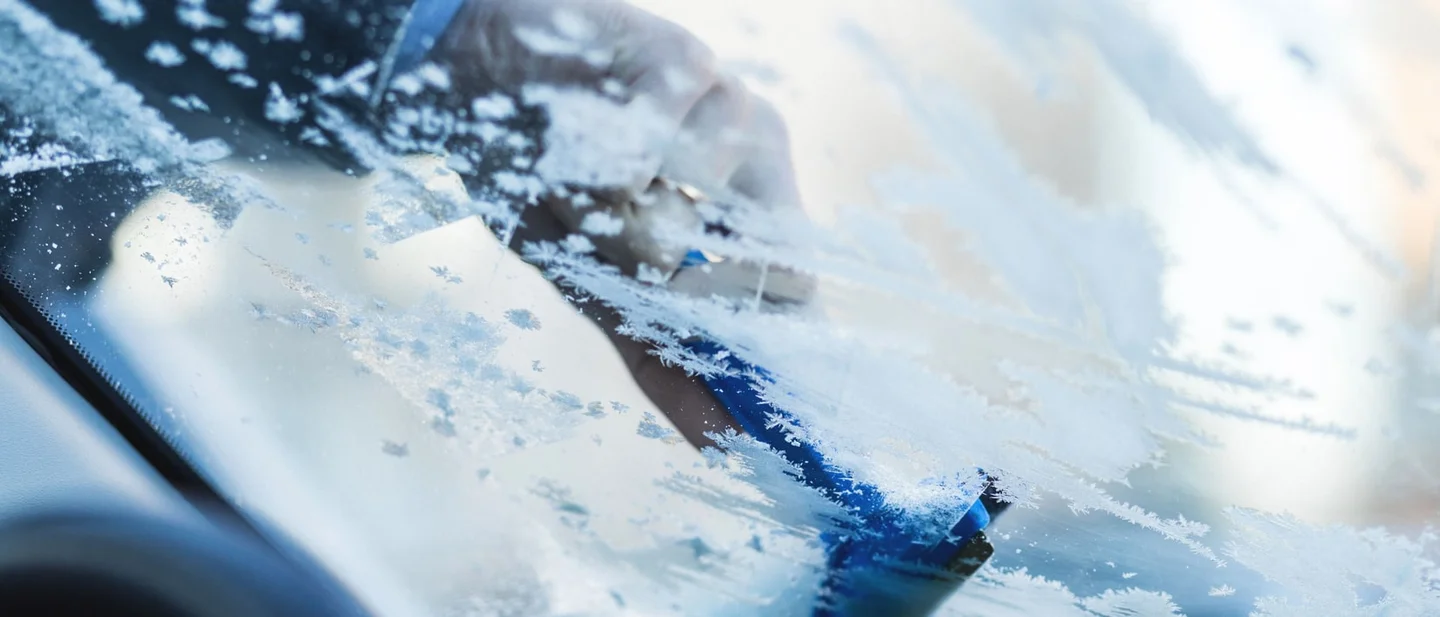
5. Cover the screen at night and stop fighting ice with heat
Steps
- On the evenings when frost is forecast, put something over the windscreen before you go to bed: an old blanket or a sheet works, draped so it covers the glass, and it is worth wrapping it round the wipers so they do not freeze to the screen. A strip of card or stiff plastic laid between the blades and the glass does the same smaller job. 2
- In the morning, clear the glass with de-icer rather than force. A spray uses alcohol or glycol to lower the freezing point of the film of water on the glass, so the ice loosens and comes away with a scraper — spray generously, give it a minute, then scrape the softened layer off. 7
- If you have no de-icer, warm water in a sealed plastic bag works well and does no damage: fill a sturdy bag with warm — never hot — water, seal it, and glide it over the glass so the heat passes through and melts the frost, with none of the water escaping to refreeze on the ground. 7
- Use the car's own defrost system for the rest: heater on its highest setting, air conditioning on, air recirculation off, airflow directed at the windscreen and front side windows, fan on full, and a window cracked to let the humid air out. Press the rear defroster button for the back window. 78
- Anticipate the doors, locks and windows while you are at it. A spray of silicone or dry PTFE lubricant into the window tracks, the locks, the latches and the hinges keeps them from seizing, and it is the window tracks that matter most: freezing water in them can damage the cables that lift the glass. Lower the window, spray into the front and back tracks, then run the window up and down a few times to spread it. 4
- Clear everything before you move: the whole windscreen, the side windows, the rear window and both mirrors. Driving on a letterbox of clear glass at the bottom of the screen is not just uncomfortable, it is illegal. 7
Why it works: Frost forms on glass before it forms anywhere else because the glass cools faster than the air around it, losing heat to a clear sky — which is why a screen can be iced on a morning when the air temperature never dropped below zero. 7 A cover removes the problem entirely, because there is nothing for the frost to form on. A de-icer attacks the ice itself by lowering the temperature at which that film of water freezes, and the car's own heater, once the screen is clear, is the thing that stops it coming back. 7
Avoid this mistake: Boiling water is the mistake to retire. Glass that is frozen and then hit with near-boiling water is under thermal shock, and it can crack, shatter or go altogether — which is why the average cost of a replacement windscreen in the UK is around £344, and why the runoff refreezing into a sheet of ice at your feet is a second accident waiting to happen. The heat also strips wax from the paint. 7 The other two belong together: never scrape with metal, and never leave the engine running unattended to warm up while you go back inside. On a public road, idling to defrost is an offence carrying a £20 fixed penalty that rises if it is ignored and can reach £1,000 for repeat offenders; it is also the moment an opportunist takes the car, with keys in it, from your own drive, and some insurers treat that as a reason not to pay. 79 An idling engine also produces up to twice the emissions of one that is moving, which is the part nobody has to be fined for. 9
6. Clear the mist on the inside in the right order
Steps
- Start the engine and put the heater on, aimed at the windscreen and the front side windows. The RAC's advice is to begin cooler and let the temperature build rather than filling the cabin with hot, wet air in one go, so the glass warms gradually while the moisture has somewhere to go. 10
- Switch the air conditioning on, even though it is cold. This is the step people skip: the air conditioning dries the air as it passes over its cold coils, so it is removing moisture, not cooling the cabin. Use it together with the heater. 810
- Make sure the air recirculation is off, so the car is pulling in cold, dry air from outside rather than recycling the cabin's own damp atmosphere. 8
- Crack a window or two — even for a few seconds. It swaps the humid air you have been breathing out for the dry air outside, and it is the fastest version of the fix for anyone without air conditioning. 810
- Clean the inside of the glass properly, because a greasy film holds condensation and a clean screen mists later and clears faster. The RAC's own trick, borrowed from ice hockey players' visors, is to wipe the screen with a dollop of shaving foam and then buff it off completely — the thin barrier left behind makes misting less likely, though it wears off and needs repeating. 10
- Do not move off until the glass is clear. If the mist returns while you are driving and you cannot see properly, pull over somewhere safe and wait for it to clear rather than leaning forward and hoping. 10
Why it works: The mist is you. Warm air can hold more water vapour than cold air, and the air inside a car is warmed by your body and your breath; when it touches cold glass it cools, and the moisture it can no longer hold condenses on the screen. 10 That is why the fix is about the air and not the glass: heat to warm the glass and dry the film on it, air conditioning to take moisture out of the cabin, fresh air to replace what your breath put in, and a clean surface for the water to condense on in the first place. 8
Avoid this mistake: Blasting hot air with the air conditioning off and the recirculation on is the mistake, because hot air holds more moisture and simply moves the water onto the glass to condense again as it cools. 10 Driving with a partially clear screen is the same mistake with worse consequences: the RAC's position is that not demisting before you set off impedes your vision while driving, and that means you are driving illegally. 10 And once the screen is clear, do not sit there leaving the engine running to keep it that way; that is the same unattended idling mistake as the section above, with the same fine and the same theft risk. 9
7. Five minutes under the bonnet for the two fluids that cost real money
Steps
- Check the oil on level ground, with the engine off, following the dipstick: pull it out, wipe it clean, push it back in, pull it out again, and read where the level sits between the minimum and maximum marks. Top up if it is low. 25
- Check the coolant level, and check it when the engine is cold. It is a sealed system, so it should not need topping up, which makes a level that keeps dropping the interesting part: that is a leak. 2
- Use the handbook for both. The right grade of oil and the right coolant mix are in the owner's manual, and guessing is how the system ends up with an antifreeze concentration too weak for the cold it has to sit through. 2
- While the bonnet is open, look at the coolant for leaks and check the level meets the manufacturer's specification. If the car is due a service anyway, ask for the hoses and belts to be looked at while it is in. 1
- Set a reminder on the phone for the same check in a month. These two are the only items on this list where the failure is quiet until it is expensive, and a dipstick check takes ninety seconds.
Why it works: These are the two fluids where the cold turns a small neglect into a large bill. Oil that has been run low can cause a breakdown or, at worst, catastrophic engine damage, and the RAC's patrols find one car in three dangerously low when they check. 2 Coolant is what stops the engine freezing and cracking in the cold and overheating in the heat, so weak or diluted antifreeze is the difference between the system surviving the winter and not. 2
Avoid this mistake: Reading the oil level on a slope, or straight after a run, and concluding everything is fine — the handbook procedure is level ground and before you set off, and a reading taken the wrong way is worse than no reading. 5 Do not open the coolant cap on a hot engine to check it; cold is the instruction, and a warm engine is a reason to come back later. 2 And do not top up with whatever is in the garage shelf: the wrong oil or the wrong coolant is a problem you create while fixing one. 2
8. Load the kit you already own, and keep the tank above half
Steps
- Build the kit out of what the house already has, and let the list be the shopping list only for the gaps: a snow shovel, a broom and an ice scraper; something abrasive such as sand or cat litter for a wheel that is spinning; jumper cables; a torch with spare batteries and warning devices such as reflective markers; a first-aid kit; blankets or an old rug, plus spare gloves, a hat and socks; bottled water, some food and any medicine you need; and a phone charger. 1 A warm coat, boots and a high-visibility jacket are the other half of the same idea. 3
- Keep it reachable. A kit buried under a week of shopping in the boot is a kit you do not have; under a seat is the version that still works if you cannot get to the back of the car. 4
- From now until spring, keep the fuel tank close to full. The point is not the fuel, it is that a full tank means you can keep the engine running just long enough to stay warm if you are stuck, without worrying about how far the next station is. 1
- If the car is electric or a plug-in hybrid, plug it in overnight in freezing weather and keep an eye on the range, which shortens in the cold. 1
- If you do get stuck, stay with the car and make it easy to find: markers on the antenna or in the windows, and the interior dome light left on. Run the engine only in short bursts — long enough to warm up, not continuously. 1
- Before you run the engine at all when stranded, get out and clear snow away from the exhaust pipe. Carbon monoxide is the danger in a stranded car, and a blocked exhaust is how it reaches the cabin. 1
Why it works: Breakdowns are rarely dramatic; they are cold, boring and slow, and the kit is what turns an hour on a hard shoulder into an inconvenience rather than an emergency. 4 The safety logic is simple once you know it: a stopped car with the engine running and the windows up becomes dangerous when the exhaust is buried, because the gases have nowhere to go but into the car. 1
Avoid this mistake: Do not run the engine for long periods with the windows shut or in an enclosed space, and do not skip clearing the exhaust: carbon monoxide poisoning is the specific risk of sitting in a car to keep warm. 1 The quieter mistake is a kit that only exists in your head — you intended to put a torch in the car, you will do it next weekend, and the morning you need it arrives first. Put the blanket and the scraper in tonight; add the rest as you find them. 4
Done in order, the eight take one evening and one afternoon. Tonight, with the porch light on: walk around the car with the lights on and clean the lenses, check the tyre pressures cold and look at the tread with a 20p, top up the screen wash with a winter mix, note the battery's age, and find the scraper and the blanket. This weekend, in daylight: replace anything bulb-shaped or blade-shaped that failed, read the oil and coolant on level ground, spray silicone into the window tracks and locks, put the kit in the car, and put whatever you are using to cover the windscreen by the front door. After that it is a handful of habits — check the tyres monthly, keep the tank above half, free the wipers before you switch them on, and clear the whole screen before you move.
Four jobs are not yours. A garage or an auto parts store should test the battery and the charging system, because that is a measurement rather than a guess, and many garages will do a winter check of the battery, lights, fluids and tyres free or cheaply. 23 A tyre with a bulge, a cut or a crack goes to a tyre professional rather than getting topped up and driven on. 1 A coolant level that keeps falling is a leak, which belongs to a mechanic, along with the hoses and belts a winter service would look at. 12 And if your car has unrepaired safety recalls against it, those are free to fix at a dealer — worth checking against the VIN before winter rather than after. 1
Nothing here is a purchase. It is an hour of looking at the parts of the car that the cold is about to test, done while the weather is mild enough to enjoy it — which is the whole point, because the morning the frost arrives is too late to start.
References
- 1Winter Weather Driving Tips
nhtsa.gov
- 2
- 35 ways to get your car ready for winter
goodhousekeeping.com
- 4
- 58 quick maintenance tips to keep your car safe
goodhousekeeping.com
- 6Over-inflating Your Tires in the Winter Isn't a Hack
lifehacker.com
- 7How to de-ice your car safely
goodhousekeeping.com
- 8How to Defog Your Windshield in No Time This Winter
lifehacker.com
- 9
- 10
This story was produced automatically by a channel. One sentence is all it takes for Neodrop to keep producing for you.