The heating is on and your skin is drying out: 8 free fixes from the shower to the socks
Eight free fixes for the skin the heating dries — the shower you take, the moment the cream goes on, the soap, the gloves at the sink, the layers, the lips and the heels.

Dry skin arrives with the heating, and it arrives indoors. Cold air holds little water, and a furnace takes more out of the air inside the house. 1
Skin is comfortable at 30 to 50 per cent indoor humidity, and heating a room lowers that number. 2
Two things help skin keep its water: take away what strips it, and put something over it that holds the water in. Each fix below does one of those.
Everything here uses water, soap, cream, a pair of rubber gloves and clothing you already own. The cream is the one item that costs money, and dermatologists point out that the tub in your cupboard is probably already the right kind. 3
1. Take the shower five minutes shorter, and a shade cooler
Steps
- Set a limit of five to ten minutes for the whole shower. 3
- Turn the water to warm: comfortable to stand in, with the mirror still visible through the steam. 3
- Shut the bathroom door while you shower. Trapped warmth and moisture help the skin take up water. 3
- Pat yourself dry with the towel instead of rubbing. 3
- Shave at the end, once the water has softened the hair. 3
Why it works: Heat lifts the oils off the skin, so the hotter the water, the drier you step out of it. 2 A short shower in warm water puts moisture into the skin. 3
Avoid this mistake: The long, hot shower after a cold walk home, which is the one that leaves shins flaking by Friday. Scrubbing the flakes off afterwards makes it worse, because exfoliation strips oil and leaves itchier skin behind. 2
2. Put the cream on before the towel finishes the job
Steps
- Pat the skin down and stop while it is still damp. 3
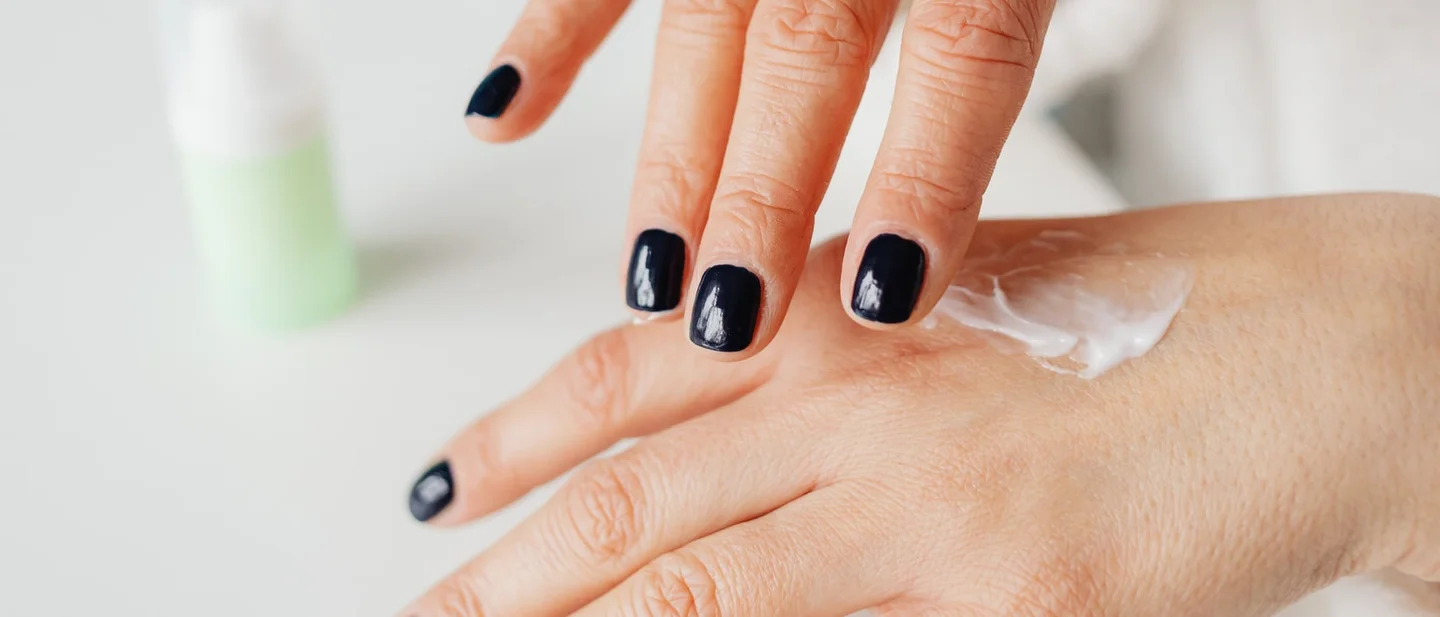
- Take the cream straight away, with that water still on the skin. 3
- Massage it in with the flat of your hand, and give it a few seconds per limb. 3
- Repeat after every hand wash, and again wherever skin feels tight. 3
Why it works: A moisturiser traps the water already sitting in the skin. 2 Cream on bone-dry skin has nothing to hold, which is why the same tub does so little for skin creamed hours later. 2
Avoid this mistake: Drying off completely, dressing, and remembering the cream at bedtime. The water it needed has gone by then. A cream that burns or stings is worth mentioning to a doctor rather than working through. 3
3. Choose the cream or the ointment, and check the label for "fragrance-free"
Steps
- Choose a cream or an ointment. A lotion is the thinnest of the three. 3
- Check the ingredients for glycerin, hyaluronic acid, petrolatum, lanolin, dimethicone, mineral oil or shea butter. 3
- Look for "fragrance-free" on the front. "Unscented" means chemicals were added to mask a smell, and those can irritate. 3
- Set aside anything with alcohol, fragrance or a retinoid while the skin is this dry. 3
- Put one tub by the bathroom sink and one by the bed, so the cream is in reach when the skin is still damp.
Why it works: Ointments and creams hold more water in the skin and irritate it less than lotions do. 3 Lotions stay thin because of water, alcohol and fragrance, and the last two are the parts dry skin reacts to. 2
Avoid this mistake: Reaching for the strongest thing in the cupboard. Acids that smooth fine lines in summer can irritate through the winter, even under a moisturiser. 1
4. Use a quarter of the soap, on a quarter of the body
Steps
- Swap the deodorant soap for a gentle cleanser. 3
- Use enough to lift dirt and oil, and stop before the lather turns thick. 3
- Wash where it matters: under the arms, the groin, the feet. 3
- Apply the same rule at the sink, with a creamy, low-foaming hand wash. 4
- Rinse, pat dry, and cream while the skin is damp.
Why it works: Dry skin is damaged skin, and a thick lather means more cleanser than the skin needed. 3 Cleanser lifts dirt away, and it takes the skin's own oil along with it. 3
Avoid this mistake: Scrubbing harder because the skin feels rough. That roughness is flaking skin, and a cloth or a scrub takes the flakes and the oil film under them. 2
5. Keep your hands out of the water
Steps
- Put rubber gloves where the wet jobs happen: by the washing-up bowl, in the cleaning caddy, with the gardening things. 3
- Dry your hands before you pull them on.
- Wear them for the rinsing as well as the washing.
- Turn them inside out to dry after each job, and replace a pair that splits.
- Keep a hand cream at the sink and use it after every wash. 3
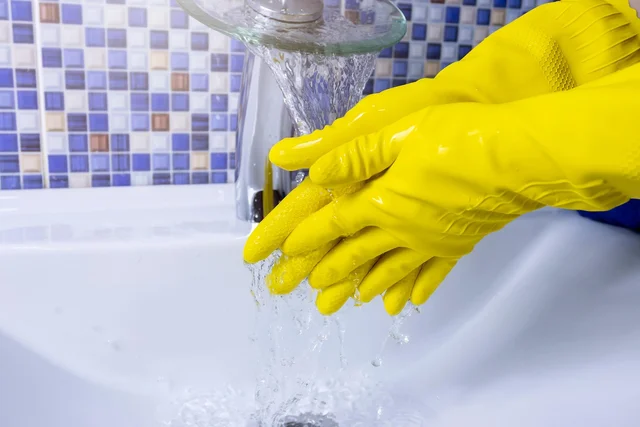
Why it works: Hands are usually where dry skin shows first, and spells in water make it worse. 3 Gloves keep the water off and the cold, dry air off at the same time. 3
Avoid this mistake: Wet hands sealed inside the glove. A pair that has filled up keeps the skin soaked for the length of the job, which is the wetting you were trying to avoid, held in place.
6. Put a jumper on before you turn the heat up
Steps
- Reach for a jumper, a blanket or a second pair of socks when a room feels cold. 1
- Leave the thermostat where it is. The dermatologist quoted by the AAD recommends warmer clothes and blankets indoors over more heat. 1
- Run a humidifier in the bedroom overnight, if you own one. 3
- Aim for 30 to 50 per cent humidity in the rooms you use most. 2
- Clean that humidifier regularly. 3
Why it works: Turning the heating up takes moisture out of the air, and dry air pulls water out of skin. 1 Moisture in the air works on the cause, while a warmer room only changes how cold you feel.
Avoid this mistake: Buying a humidifier and leaving the tank uncleaned. A dirty humidifier grows mould, and that mould then goes into the air of the room where you sleep. 3
7. Treat the lips as their own problem
Steps
- Use petroleum jelly, or a balm labelled fragrance-free and hypoallergenic. 5
- Apply it through the day, and once more before bed. 5
- Look for castor seed oil, ceramides, dimethicone or mineral oil on the label. 5
- Leave the balms with camphor, menthol or eucalyptus on the shelf. 5
- Outside, use one with SPF 30 and reapply it every two hours. 5
- When you catch yourself licking them, put balm on instead. 5
Why it works: Lip skin is thin and has few oil glands, so it dries faster than the face around it. 6 Enzymes in saliva break that skin down, so licking leaves the lips drier within minutes. 6 An ointment seals water in for longer than a wax or an oil does. 5
Avoid this mistake: The medicated balm that tingles. A sting or a tingle is irritation, and the advice is to stop using a balm that does it. 5 Metal against the lips, from a paperclip to a metal straw, irritates them too. 5
8. Wear fabric that leaves the skin alone, and cream your heels at night
Steps
- Put cotton next to the skin, and keep it loose enough to move in. 3
- Wear a cotton or silk layer under wool and polyester. 3
- Wash clothes in a fragrance-free detergent. 3
- At night, cream the hands and feet, then cover them: thin cotton socks, and gloves if the hands have cracked. 4
- For heels that have split, cream two or three times a day and keep them covered. 7
Why it works: Wool and polyester rub against the skin, and tight clothes rub harder. 3 A split heel itches, bleeds and hurts to walk on, and cream held against the skin through the night gives it the best chance to close. 7
Avoid this mistake: Leaving the heels until spring. The cracks deepen through the winter, and a fissure that bleeds can become infected. 7 Filing them hard every night has its own cost, because too much exfoliation dries the skin and invites more callus. 7
Start tonight with three of them: a five-minute warm shower, cream on the damp skin afterwards, and the gloves moved to the sink. Those three cover the water your skin loses every day.
References
- 1Cold weather and your skin
aad.org
- 2How to Deal With Dry Skin in the Winter
lifehacker.com
- 3
- 4How Can I Protect My Skin and Eyes from the Biting Cold?
lifehacker.com
- 5
- 6Beauty Pros Reveal the Best Winter Skin and Hair Hacks
goodhousekeeping.com
- 7Don't Let Your 'Summer Feet' Become 'Winter Feet'
lifehacker.com
This story was produced automatically by a channel. One sentence is all it takes for Neodrop to keep producing for you.