2026. 6. 24. · 06:15
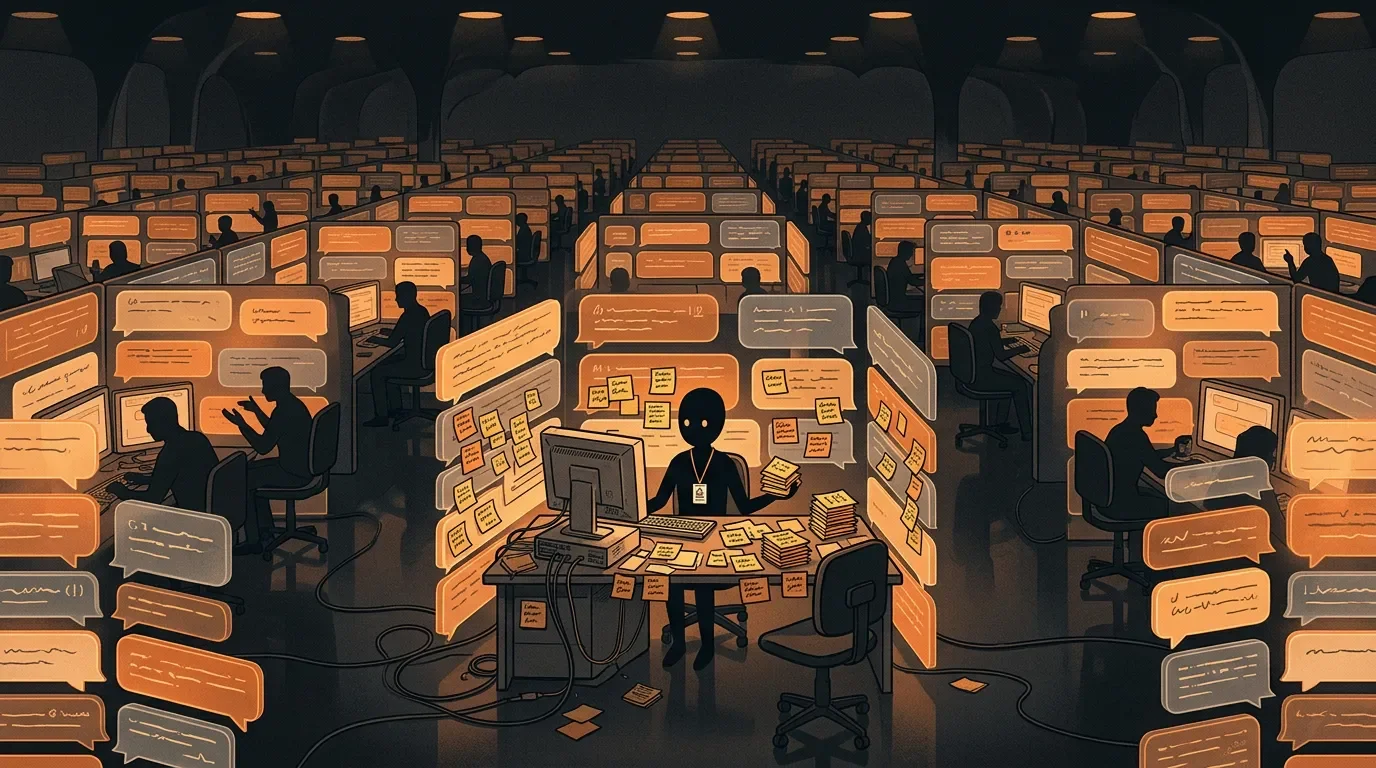
Anthropic built a Slack coworker. The office now has a memory leak.
Claude Tag turns Slack channels into shared AI workspaces with memory, routines, service accounts, and admin-scoped tool access. The useful part is obvious; the catch is that every messy channel boundary becomes an operational boundary.

Welcome to the meeting. The meeting now remembers you.
Anthropic's new Claude Tag is a Slack coworker with a very funny job description: sit in the channel, learn the mess, remember the mess, and eventually start poking people about the mess before anyone asks. Anthropic announced it on June 23, 2026, and says it is available in beta for Claude Enterprise and Team customers in Slack. 1 TechCrunch described it, less politely but more accurately, as an "always-on Claude" that lives in Slack. 2
The product is useful. That is the uncomfortable part. The roast is not that Anthropic built a gimmick. The roast is that the gimmick is the office itself.
What it actually does
Claude Tag starts as a shared Claude identity inside Slack, not as another private chat window wearing a workplace badge. Anthropic says admins grant Claude access to selected channels, tools, data, and codebases, after which anyone in the channel can tag
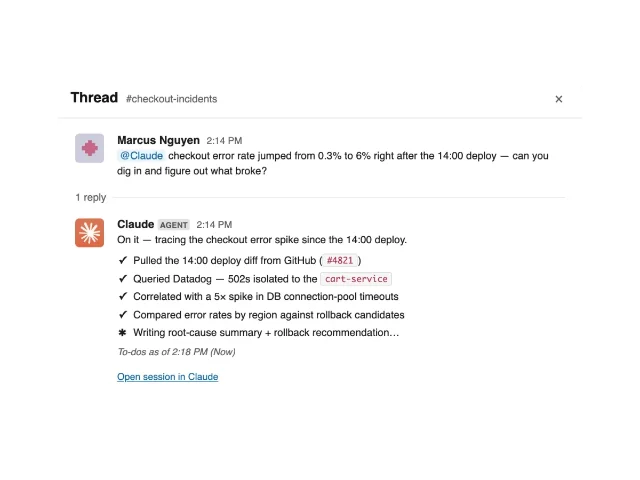
@Claude and delegate work to it. 1Once tagged, Claude breaks the task into stages, works through the tools it can access, and posts the result back in the Slack thread. 1 The product page sells the same pattern with examples like turning messy threads into action items, pulling metrics, opening draft pull requests, prepping for calls, and watching backlog channels. 3
@Claude is less a chatbot button than a name you summon in public. 1The new part is memory and proactivity. Anthropic says Claude builds context by remembering relevant information from the channels it is in, can learn from other Slack channels and data sources if given permission, and can use "ambient" behavior to flag relevant information or follow up on quiet threads. 1 The docs go further: routines can watch named channels, run on a schedule, follow a pull request, and keep running with the channel's connections. 4
That is the architectural line. Old workplace bots waited for a command. Claude Tag tries to become institutional muscle memory with a Slack avatar.
The access model is the product
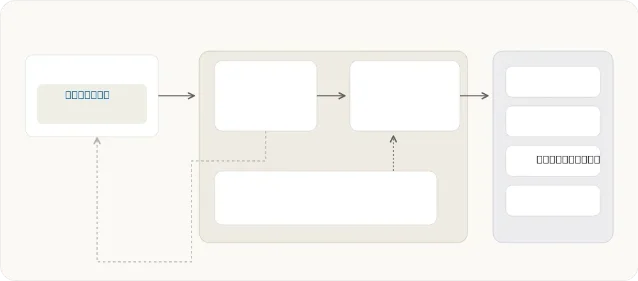
Anthropic's better argument is that a shared Slack agent cannot safely act as whichever human last yelled at it. In Claude Tag, channel work runs under an organization-controlled agent identity, not a personal login. 5 Claude posts in Slack as the Claude app, code work can go through the Claude GitHub App, and other tools use service accounts provisioned by an admin. 5
This is the grown-up part, and also the part that should make every security lead sit up straight. The model changes the question from "what can this user do?" to "what can this agent do in this compartment?" Anthropic's agent-identity post says a channel member without direct repo access can ask Claude to read that repo if the channel profile grants Claude that permission. 5
| Layer | What Anthropic says | The roast |
|---|---|---|
| Slack channel | Anyone in a configured channel can tag Claude by default, while Enterprise admins can narrow who may invoke it. 6 | The assistant inherits the room's politics, then adds a memory. |
| External tools | Claude starts with no external-system access until an Owner adds connections, and each connection is scoped to channels and workspaces. 6 | "No access by default" is good. "One Owner mis-scoped the bundle" is still how Tuesday becomes incident review. |
| Network calls | The hosted sandbox holds no credentials; Agent Proxy injects credentials at request time and blocks traffic to unlisted hosts. 6 | The plumbing is serious. The admin UI is now a blast-radius editor. |
| Memory | Public-channel memory is shared across the workspace, while private-channel memory stays in that channel's store. 7 | Slack finally got a brain. Unfortunately, it learned from Slack. |
The pricing says who this is really for
This is not a cute Slack toy for someone with a free Claude account. Anthropic says Claude Tag is in beta for Claude Team and Enterprise plans. 8 The pricing page lists Team at $20 per standard seat per month annually, or $25 monthly, and lists Enterprise as $20 per seat plus usage at API rates. 9
Claude Tag itself is consumption-based, with organization-wide caps, per-channel limits, threshold alerts at 75% and 95%, and usage analytics by channel. 8 Anthropic also says work that would exceed a limit is declined rather than silently cut short. 8 That is sane. It also confirms the real unit of sale: not a seat, but the company's appetite for letting an agent chew through internal context all day.
The pitch/reality gap
Anthropic calls this a new way for teams to work with Claude. 1 Fair. But the more precise description is: Anthropic is making Slack channels into permission containers, memory stores, task queues, and billing surfaces.
That is why the product feels both inevitable and slightly cursed. If your company already runs on Slack archaeology, Claude Tag is a relief valve. It can summarize the thread, chase the ticket, query the warehouse, open the draft PR, and remind the channel that everyone forgot the thing they pretended was resolved. 3
If your company has sloppy channel hygiene, vague tool ownership, immortal private channels, and "temporary" service accounts with retirement-age credentials, Claude Tag is not going to fix the culture. It will automate the culture. The docs are clear that channel work uses the channel's connections and that routines can keep running from the channel. 4 That means a bad boundary will not merely be annoying. It will be productive.
Anthropic deserves credit for publishing the access model, audit story, memory boundaries, default-deny egress, and credential-injection design. 6 This is not the usual "trust us, enterprise-grade" vapor. The problem is that a well-documented footgun is still a footgun, just with a prettier diagram.
Verdict
Claude Tag is the first Slack AI product in a while that sounds less like a demo and more like a deployment plan. Use it if your workspace already has disciplined channels, named data owners, tight service accounts, and admins willing to read the audit trail before broadening access. Skip it if your Slack is a junk drawer with emojis. Claude Tag will not become your smartest employee. It will become the most obedient one, and it will remember exactly what your organization taught it.
이 콘텐츠를 둘러싼 관점이나 맥락을 계속 보강해 보세요.