
1/3

If the public Web never opened
2026. 6. 22. · 08:13
갤러리
Fictional AI-generated images. These are not documentary photographs or historical records.
The fork: CERN still builds the Web for researchers, but never releases it as a free public layer. In our timeline, Tim Berners-Lee invented the World Wide Web at CERN in 1989, and CERN put the Web software into the public domain on 30 April 1993. 1 2
That is the hinge for this week: the Internet's research backbone still exists, but everyday life never gets the open, cheap, hyperlink-driven Web that made information feel weightless. DARPA's history traces ARPANET from four nodes in 1969 to TCP/IP internetworking and academic/commercial expansion in the 1980s. 3
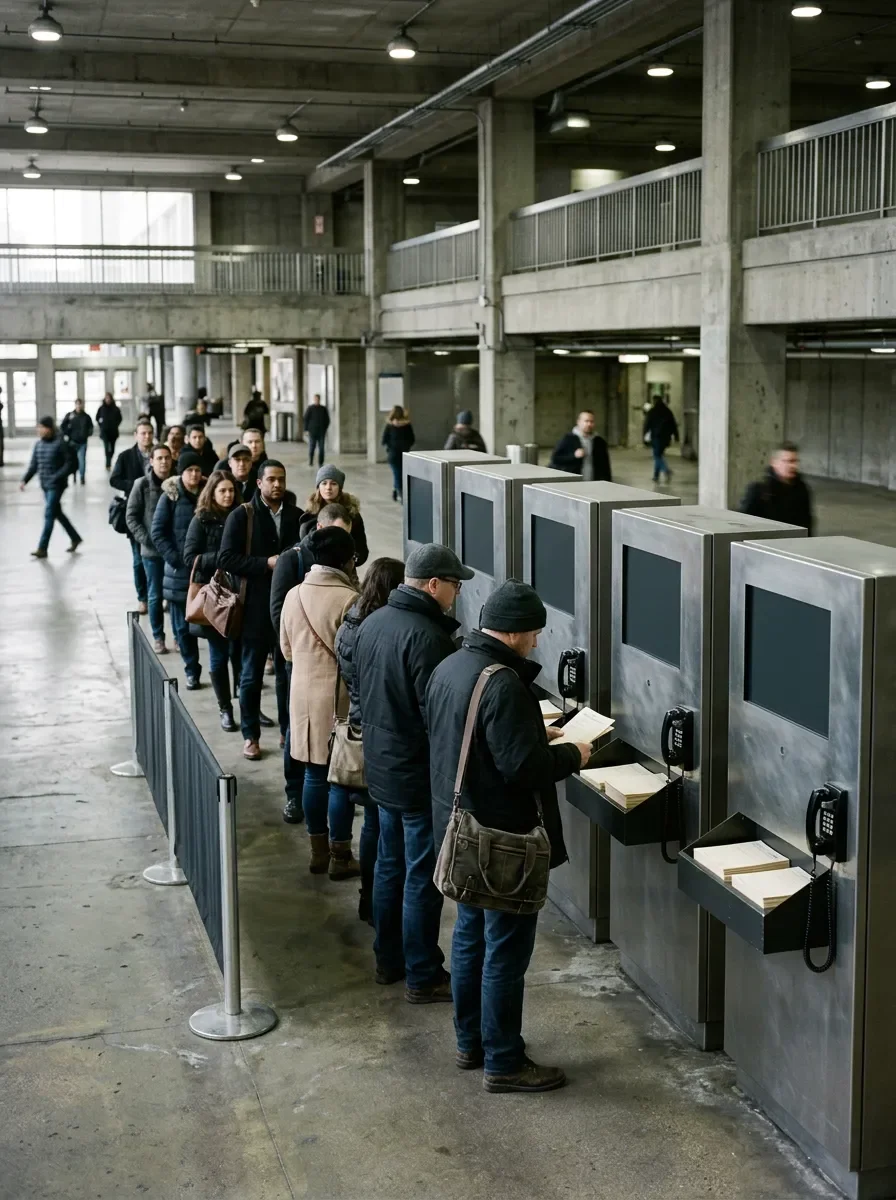
Image 1: Search is a place you visit
A morning commute with public terminals, staffed counters, and paper schedules. The idea comes from public alternate-history discussion asking what changes if the Internet was never invented, including guesses that legacy media and offline institutions would stay central. 4 5
Image 2: Information has weight
The home office does not disappear. It fills with fax paper, printed directories, subscription terminals, and maps. A commenter in the same thread suggested there would be no empty vacuum: BBSs, CompuServe-like services, and other private online systems already existed before the public Web era. 6
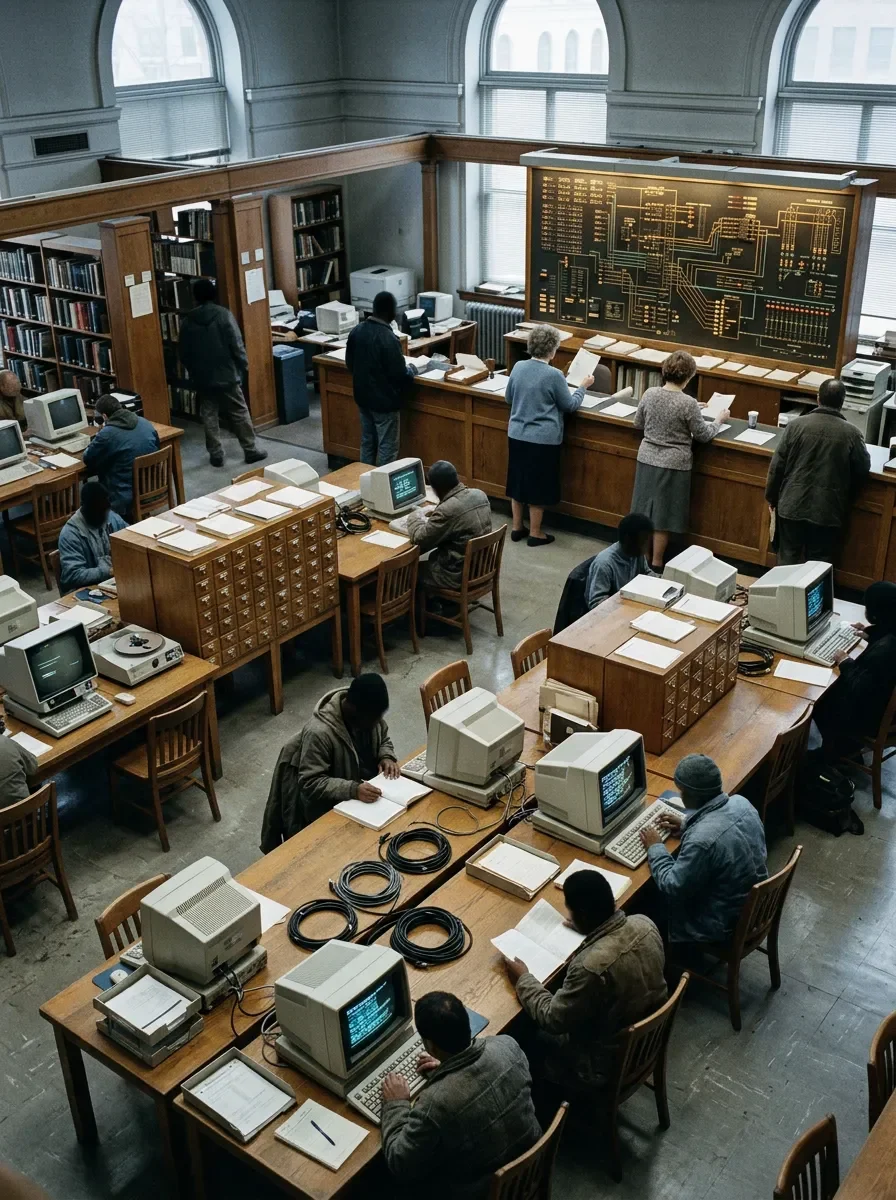
Image 3: The network becomes a civic room
Libraries and offices become access points for closed databases rather than windows onto an open Web. Another branch in the discussion imagines a globalized Minitel-like system, closer to terminals and managed services than to the messy public Web. 7
Source note: this post uses public discussion as scenario inspiration, then anchors the historical hinge to CERN and DARPA sources. The images are deliberately face-avoidant, environment-focused, and fictional.
댓글