脚下那张看不见的网,比全人类加起来还重
2026年6月,一项发表于《Science》的研究首次绘制出地球菌根真菌网络的全球分布图:一种叫「丛枝菌根真菌」的菌群总质量达3亿吨,是全人类体重总和的4-6倍;菌丝延伸长度足以在地球与太阳间来回近10亿次。本期精读这篇国家地理报道,附完整中英对照译文、10个核心词汇(含hyphae/mycelium/symbiosis/biomass/carbon sequestration)及两段长难句语法拆解。

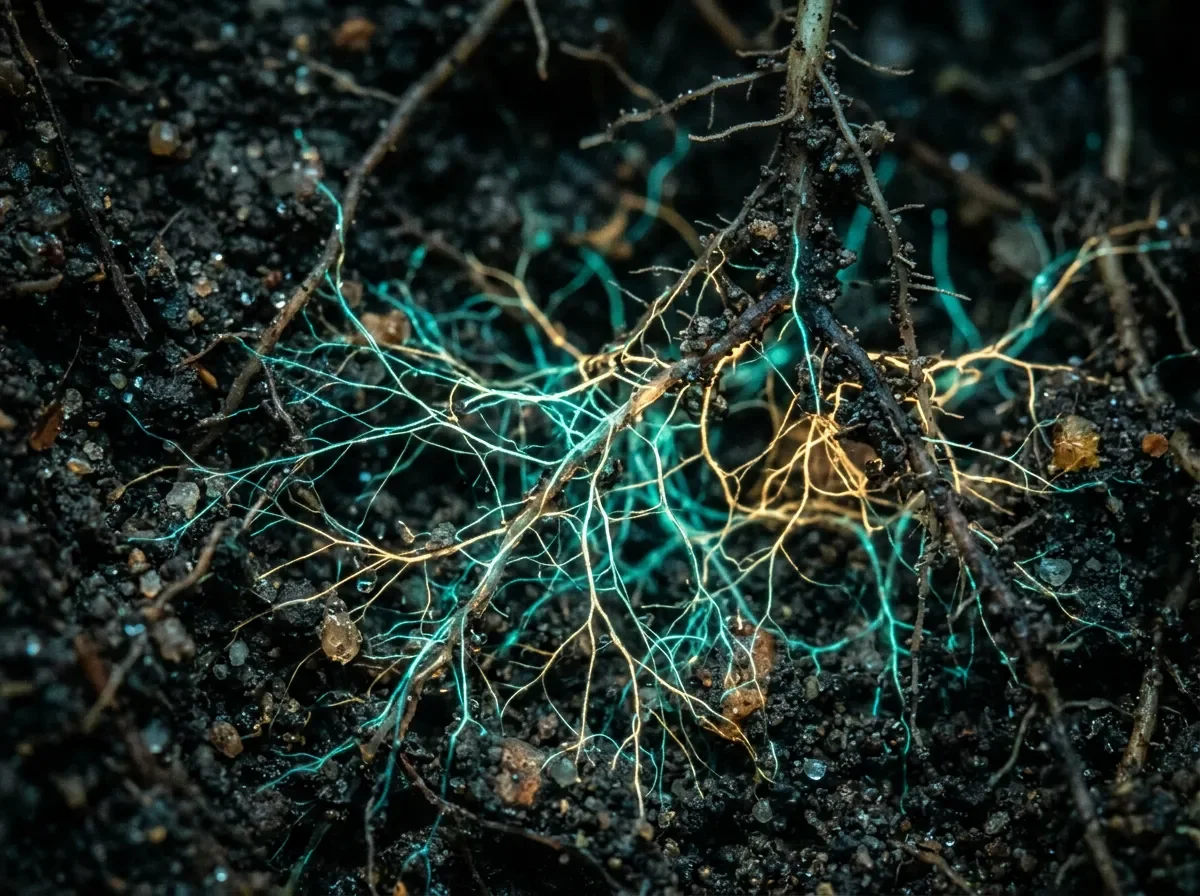
标题导读
原文标题: Fungi take up more mass than people—see how they stretch across the Earth
中文「标题党」译名: 脚下那张看不见的网,比全人类加起来还重
背景简介:
2026 年 6 月 11 日,一篇发表于顶级期刊 Science 的论文首次绘制出地球菌根真菌网络的全球分布图。研究者发现,一种名为「丛枝菌根真菌」的地下菌群,其总质量达 3 亿吨,是全球人类体重总和的 4 到 6 倍;而其菌丝延伸的长度,足以在地球和太阳之间来回近 10 亿次。这张隐形的网络不仅是植物生长的生命线,还每年帮助地球封存约 40 亿吨二氧化碳——相当于人类年排放量的 11%。来源:国家地理(National Geographic),作者 Bethany Brookshire。1
原文与参考译文
Paragraph 1
We might only think of fungi as the mold in our walls, the fleshy protrusions on rotting logs, or the button mushrooms for sale in the grocery store—but most fungal life takes place far out of human sight.
我们平时想到「真菌」,大概只会联想到墙上的霉斑、腐木上的蘑菇,或者超市里论斤卖的口蘑——然而绝大多数真菌的生命活动,发生在人眼永远看不到的地方。
Paragraph 2
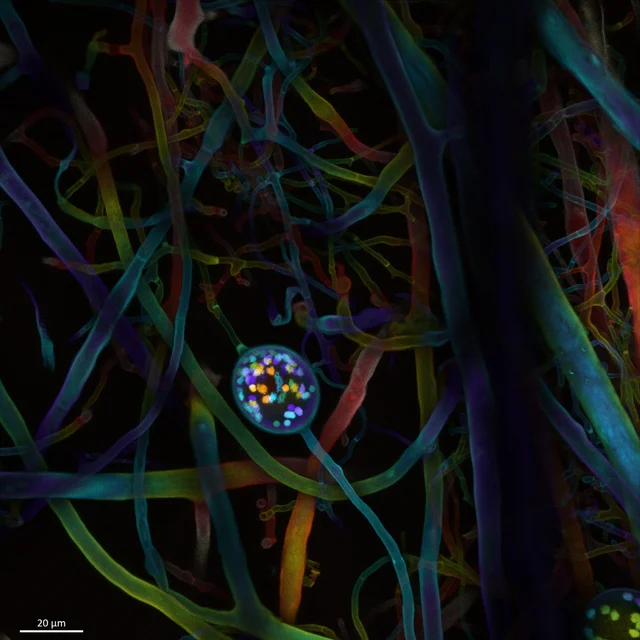
The "roots" of the fungus under the soil form the organism's mycelium. There, tiny filaments called hyphae form networks among plants and supply them with the essential nutrients they need to grow.
真菌在土壤中延伸的「根系」构成菌丝体(mycelium)。在那里,被称为菌丝(hyphae)的细微纤维在植物之间编织成网,向植物输送生长所必需的营养物质。
Paragraph 3
A new study, published today in Science, has attempted to quantify the extent of these hyphae networks. For the first time, scientists have created a global map showing where these types of fungi are most likely to be found.
一项今日发表于 Science 的研究首次尝试量化这些菌丝网络的规模——科学家创建了有史以来第一张全球分布图,标注出这类真菌最密集的区域。1
Paragraph 4
Using machine-learning models and evidence from thousands of soil cores, scientists also found that a single type of fungus—called arbuscular mycorrhizal fungi—collectively weigh 300 megatons, four to six times the mass of every human on the planet. The tiny hyphal fingers of these networks reach far enough to stretch from Earth to the sun and back nearly a billion times.
研究者综合机器学习模型与逾 1.6 万个土壤岩心样本,发现单是一种叫做「丛枝菌根真菌」(arbuscular mycorrhizal fungi)的菌群,总质量就达 3 亿吨,是全球人类总体重的 4 到 6 倍。这些菌丝网络的延伸长度,足够在地球和太阳之间来回将近 10 亿次。1
Paragraph 5
"It really challenges the assumption of plants as stand-alone organisms and forces us to think about how organisms are involved in a myriad of interactions that we don't see," says Toby Kiers, a study author and evolutionary biologist at Vrije University in Amsterdam.
「这项研究真的动摇了『植物是独立个体』的假设,」主要作者之一、阿姆斯特丹自由大学进化生物学家托比·基尔斯(Toby Kiers)说,「它迫使我们重新思考:生命究竟卷入了多少我们根本看不见的相互作用。」
Paragraph 6
"Mycorrhizal symbiosis is a cooperation between plants and fungi that's quite ancient, about 450 million years old," says Justin Stewart, an evolutionary biologist with SPUN, who is also a study author. "You have plants that take carbon dioxide in through photosynthesis, and then they feed this to these bodies of mycelium in soil."
「菌根共生是植物与真菌之间的合作关系,历史相当悠久,大约有 4.5 亿年,」同为论文作者的进化生物学家贾斯廷·斯图尔特(Justin Stewart)说,「植物通过光合作用摄入二氧化碳,再把碳输送给土壤里的菌丝体。」
Paragraph 7
After a fungus receives carbon from a plant, it sends out "thin tubular threads. They're super, super small, a tenth or a twentieth of a human hair." "They go deep into soils and extract nutrients, such as nitrogen and phosphorus, and they trade it back to the plant."
真菌得到碳之后,会向外伸出「细如管道的丝线,比人类头发细十倍甚至二十倍」,深入土壤提取氮、磷等营养物质,再用这些养分换取植物提供的碳——是一套古老而精密的以物易物体系。
Paragraph 8
It's such a good arrangement that more than 70 percent of plants partner with arbuscular mycorrhizal fungus—including crops such as wheat, corn, and rice. Fungi can provide up to 80 percent of the phosphorus these plants need, and up to 20 percent of the nitrogen.
这套合作机制的回报率极高:超过 70% 的植物与丛枝菌根真菌建立了伙伴关系,其中包括小麦、玉米、水稻等主要粮食作物。真菌可为这些植物提供高达 80% 的磷元素需求和约 20% 的氮元素需求。
Paragraph 9
In only the top 15 centimeters of soil, scientists estimate that every square centimeter of soil packs around 4.4 meters of hyphae, 50 times longer than the fine roots of the plants they parent with. Stretched end to end, that's 110 quadrillion kilometers, enough to stretch between Earth and the sun nearly a billion times.
仅在土壤表层 15 厘米内,研究者估算每平方厘米土壤中约蜿蜒着 4.4 米菌丝,是其所依附植物细根长度的 50 倍。将全球菌丝首尾相接,总长约 110 京千米(110 quadrillion kilometers),足以在地球与太阳之间往返近 10 亿次。1
Paragraph 10
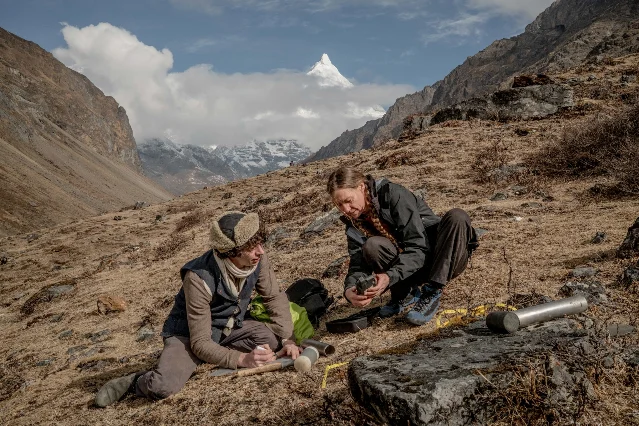
The densest networks were in dry grasslands, such as the Tibetan steppe, and flooded grasslands like the Everglades in Florida and the Sudd wetland in South Sudan. Grassland areas alone made up 40 percent of the global hyphae biomass.
密度最高的菌丝网络出现在干旱草原(如青藏高原草甸)和洪泛草原(如美国佛罗里达大沼泽地、南苏丹苏德湿地)。光是草原生态系统就贡献了全球菌丝生物量的 40%。
Paragraph 11
Where those grasses had been converted to croplands, the arbuscular mycorrhizal network was 47 percent less dense than naturally occurring grasslands.
然而,一旦草原被改造为耕地,丛枝菌根真菌的密度就比自然草原下降了 47%。翻耕可能扰断菌丝,而施用化肥的植物也不再依赖菌根提供养分。
Paragraph 12
The mass of fungal bodies in soil is more than just living matter. As hyphae die, the carbon they absorbed from plants stays underground. Kiers, Stewart, and their colleagues estimate that fungi help pack around four billion tons of carbon dioxide into soil. That's about 11 percent of the carbon dioxide humans pump into the atmosphere in a year.
地下菌丝体不只是活的生物量。当菌丝死亡时,它们从植物处吸收的碳会留在土壤中。研究者估算,菌根真菌每年帮助土壤封存约 40 亿吨二氧化碳,相当于人类年均排放量的 11%。1
Paragraph 13
"They are the circulatory system of the planet underground," she says. "We're starting to realize that we cannot diagnose, treat, or heal the ailments of Earth without looking at the mycorrhizal circulatory system."
「它们是地球地下的循环系统,」真菌基金会执行主任吉乌利亚纳·弗尔奇(Giuliana Furci)说,「我们正开始意识到:不看菌根循环系统,就无法诊断、治疗或愈合地球的疾病。」
核心词汇
| 词汇 / 短语 | 音标 | 词性 | 中文释义 | 语境说明 |
|---|---|---|---|---|
| hyphae | /ˈhaɪfiː/ | n. (pl.) | 菌丝(单数:hypha) | 真菌菌丝体的基本结构单位,极细的管状纤维,是文章核心术语 |
| mycelium | /maɪˈsiːliəm/ | n. | 菌丝体 | 真菌地下部分的整体,由无数 hyphae 交织而成 |
| arbuscular mycorrhizal fungi | /ɑːˈbʌskjʊlə ˌmaɪkəˈraɪzəl/ | n. phr. | 丛枝菌根真菌 | 本文主角,与超过 70%植物共生;arbuscular 指其在根细胞内形成的树状结构 |
| symbiosis | /ˌsɪmbaɪˈəʊsɪs/ | n. | 共生关系 | 两种生物互利共存;mycorrhizal symbiosis 即植物与真菌的互利共生 |
| biomass | /ˈbaɪəʊmæs/ | n. | 生物量,生物总质量 | 指某一群体生物的总质量,如 hyphae biomass(菌丝生物量) |
| phosphorus | /ˈfɒsfərəs/ | n. | 磷(元素) | 植物生长必需营养素,真菌可提供作物所需磷的高达 80% |
| nitrogen | /ˈnaɪtrədʒən/ | n. | 氮(元素) | 另一种植物必需营养素,真菌可提供约 20% |
| quantify | /ˈkwɒntɪfaɪ/ | v. | 量化,数量化 | 把某种现象转化为可测量数据,如 quantify the extent of fungal networks |
| megaton | /ˈmeɡəˌtʌn/ | n. | 百万吨 | 300 megatons = 3 亿吨,用来描述菌根真菌的惊人质量 |
| carbon sequestration | /ˌkɑːbən ˌsiːkwɪˈstreɪʃən/ | n. phr. | 碳封存,碳固定 | 将大气中的 CO₂ 储存在土壤或生物体中,是应对气候变化的关键机制 |
长难句语法拆解
句子一:
Using machine-learning models and evidence from thousands of soil cores, scientists also found that a single type of fungus—called arbuscular mycorrhizal fungi—collectively weigh 300 megatons, four to six times the mass of every human on the planet.
结构分析:
- Using machine-learning models and evidence from thousands of soil cores:现在分词短语,作状语,修饰主句动作,说明研究手段(使用机器学习模型 + 数千个土壤岩心证据)
- scientists:主语(S)
- also found:谓语(V),found 后接宾语从句
- that a single type of fungus collectively weigh 300 megatons:宾语从句(O),that 引导,a single type of fungus 是从句主语,weigh 是从句谓语
- —called arbuscular mycorrhizal fungi—:两个破折号夹住的插入语,对 a single type of fungus 进行补充说明(= which is called arbuscular mycorrhizal fungi)
- four to six times the mass of every human on the planet:同位语,补充说明 300 megatons 的量级含义(300 megatons 是全球人类总体重的 4-6 倍)
核心语法点: ① 分词短语作状语 ② that 引导宾语从句 ③ 插入语(破折号夹注) ④ 倍数表达:「N times + the + 名词」= 是……的 N 倍
句子二:
"They go deep into soils and extract nutrients, such as nitrogen and phosphorus, and they trade it back to the plant."
结构分析:
- They go deep into soils:主语(S)+ 谓语(V)+ 副词短语,描述菌丝深入土壤的动作
- and extract nutrients:并列谓语,与 go deep... 并列,省略主语 They
- such as nitrogen and phosphorus:插入的列举短语,举例说明 nutrients 的具体内容(氮和磷);注意 such as 后的例子不能穷举,若穷举应用 namely
- and they trade it back to the plant:第二个并列分句,they 是主语,trade 是谓语,it 指代前文提到的 nutrients
核心语法点: ① 并列谓语省略主语 ② such as 插入举例短语 ③ 代词 it 远指前文名词(anaphoric reference)④ trade sth. back to sb. = 把某物以交换方式归还某人,带有「以物易物」含义
이 콘텐츠를 둘러싼 관점이나 맥락을 계속 보강해 보세요.