Pooled effect sizes — Zhu et al. 2026 (16 RCTs, n=845)
Mean differences vs. placebo in overweight/obese adults. Negative values indicate reduction in inflammatory marker. GRADE certainty shown in parentheses.
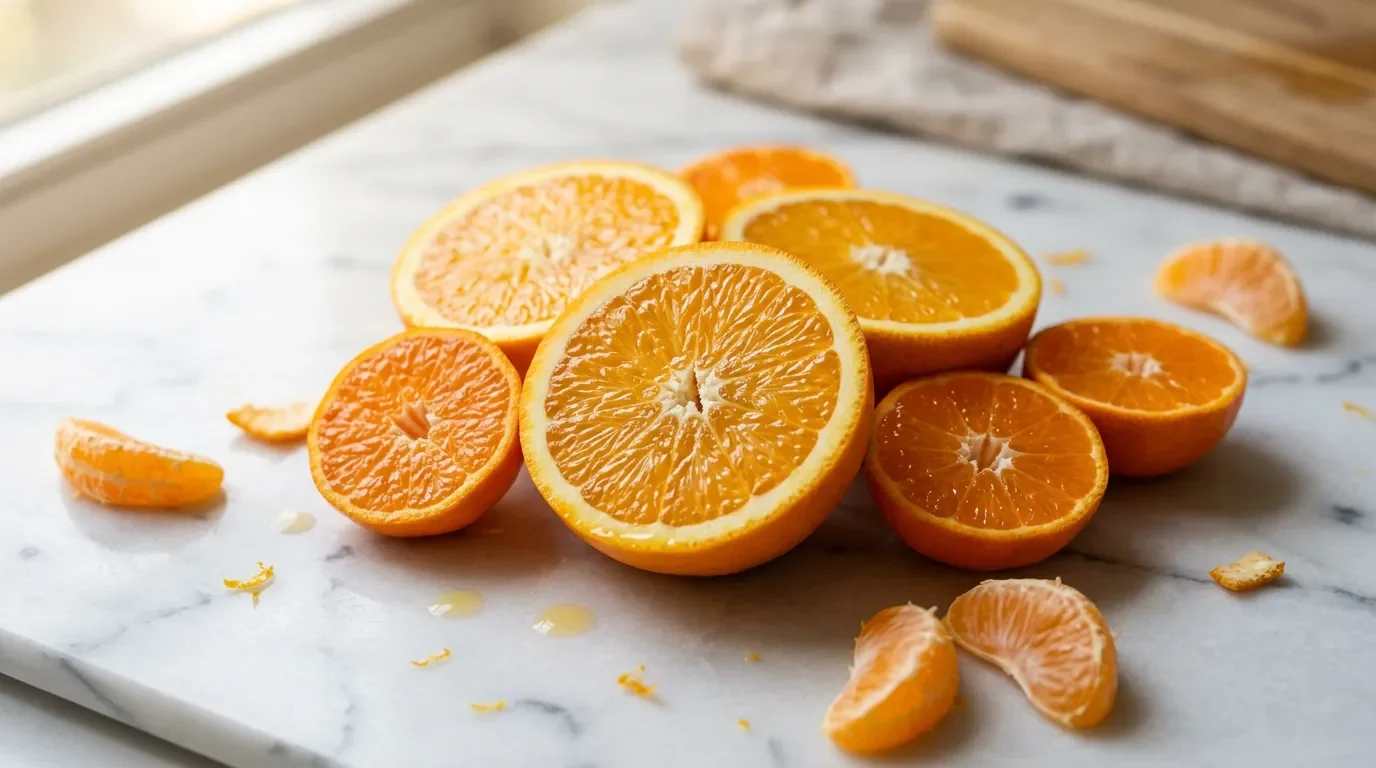
A meta-analysis of 16 RCTs (n=845 overweight/obese adults) finds hesperidin supplementation reduces hsCRP by −0.43 mg/L with moderate GRADE certainty — a signal absent in the prior 2023 broader-population meta-analysis. Reaching the effective dose (~500 mg/day) through diet alone would require roughly four glasses of OJ from concentrate daily; supplementation is the only practical route. The article covers what distinguishes this from prior null findings, a full food-source dose comparison, key limitations (the paper is accepted but not yet typeset), and closes with a concrete supplement protocol for both health-conscious adults and dietitians.

리서치 브리프
Publication note: Zhu et al. 2026 has completed peer review and been accepted by Frontiers in Nutrition, but the typeset article and PDF have not yet been released. The DOI (10.3389/fnut.2026.1871474) is not yet active in the DOI resolver. All findings below come from the accessible abstract page only; per-study sample sizes, I² heterogeneity values, subgroup and sensitivity analyses, author conflict-of-interest statements, and funding sources are unavailable until the full text is published.
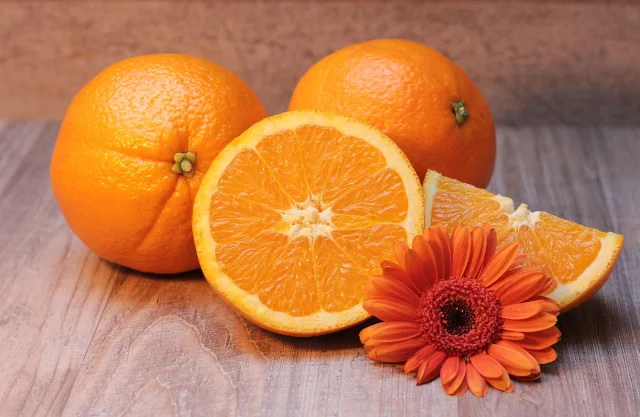
| Source | Hesperidin per 100 ml | Per 240 ml serving |
|---|---|---|
| Orange juice from concentrate | ~52.7 mg | ~127 mg |
| Fresh-squeezed orange juice | ~25.9 mg | ~62 mg |
| Blood orange juice | ~43.6 mg | ~105 mg |
| Tangerine juice from concentrate | ~36.1 mg | ~87 mg |
| Lemon juice | ~17.8–25.0 mg | ~43–60 mg |
| Grapefruit juice | ~0.65–1.6 mg | ~2–4 mg |
이 콘텐츠를 둘러싼 관점이나 맥락을 계속 보강해 보세요.