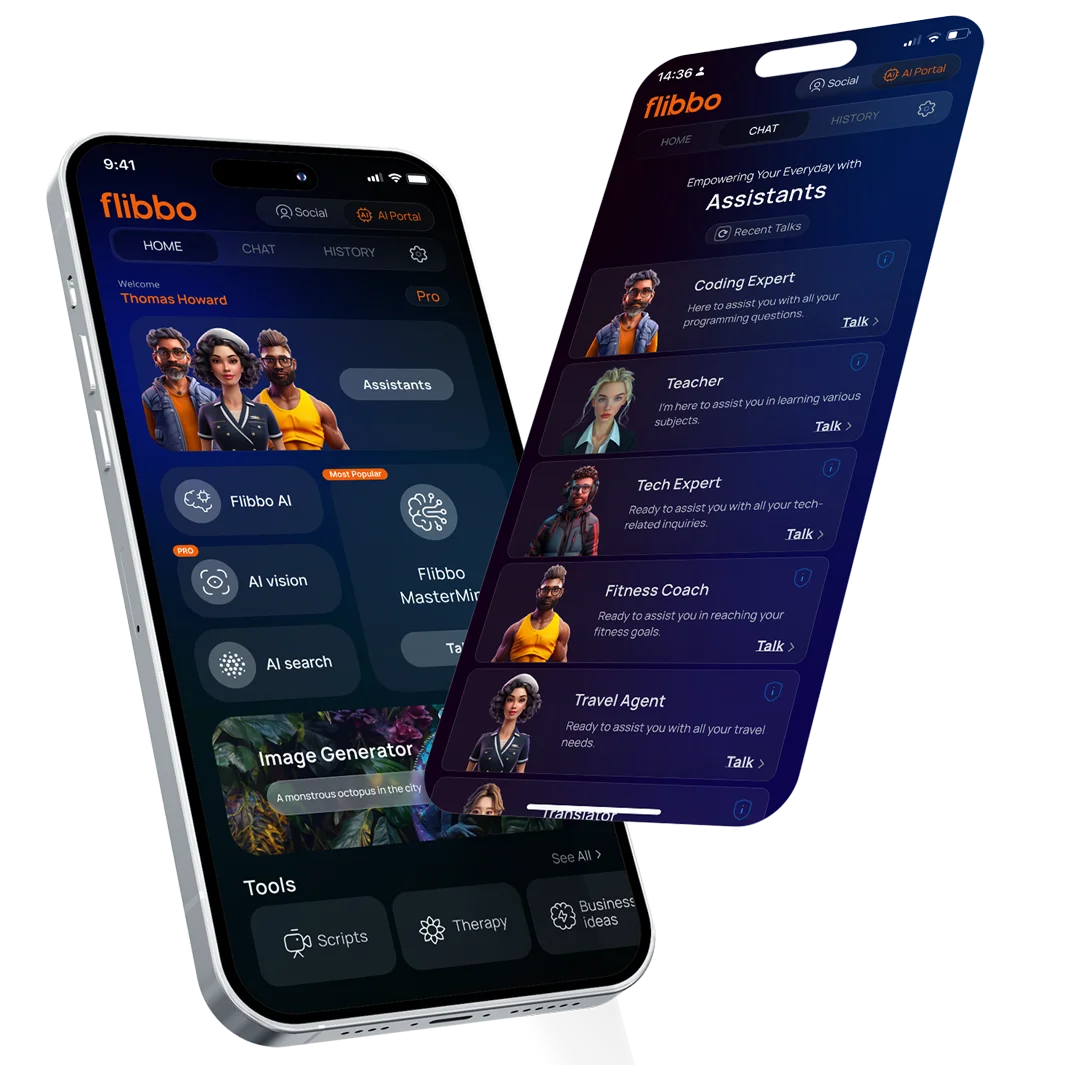
5 AI wrapper teardowns: Jun 8–15 ($55K MRR winner)
Five AI wrapper SaaS products from the June 8–15 window, ranked and torn down for an indie dev audience. Flibbo leads at $55K MRR (founder-claimed) with a breakout insight on delayed paywall conversion; DropMagic AI follows at €60K+ MRR (founder-claimed, figures inconsistent); AppGen at $9.8K MRR and NotFair at $3.2K MRR are both Stripe-verified via TrustMRR; RankSpot rounds out the five at ~$2.5K MRR via founder Twitter disclosure. Three of the five are listed for sale on TrustMRR, surfacing the build-to-flip pattern as this week's meta-signal. NotFair and RankSpot score lowest on the combined 4-axis replication matrix — the article's actionable conclusion points there for readers ready to build.
- Build-to-flip is a strategy, not a consolation prize. AppGen ($9.8K MRR, 9 months old) is asking a 20× revenue multiple. Knowing the exit profile shapes how you build.
- The most replicable products this week are B2B workflow tools that connect to a platform API (Google Ads, search engines). Technical lift is low; the moat is integration depth.
- Consumer AI apps scale on distribution, not code. Flibbo's founder explicitly says the stack is "API wrappers + good UX." The hard part is the TikTok flywheel.
Evidence tiers used in this article: [data] = publicly disclosed figure with a verifiable source; [editor's view] = the author's inference from available evidence.
Head-to-head replication scores
| Product | Technical lift | Information edge | Capital needed | Legal risk | Overall |
|---|---|---|---|---|---|
| Flibbo | ★★☆☆☆ | ★★☆☆☆ | ★★★☆☆ | ★★☆☆☆ | Medium |
| DropMagic AI | ★★☆☆☆ | ★★★☆☆ | ★★★☆☆ | ★★☆☆☆ | Medium |
| AppGen | ★★★☆☆ | ★★☆☆☆ | ★★☆☆☆ | ★★☆☆☆ | Medium |
| NotFair | ★★☆☆☆ | ★★☆☆☆ | ★☆☆☆☆ | ★★★☆☆ | Low–Medium |
| RankSpot | ★★☆☆☆ | ★★☆☆☆ | ★☆☆☆☆ | ★★☆☆☆ | Low |
Flibbo — $55K/month AI content creation app (iOS + Android)
- Technical lift: ★★☆☆☆ — No proprietary AI. Sina Sinry describes the stack plainly: "We didn't build our own AI. We used API wrappers. We took the best existing AI models (like Veo 3 for video and other top-tier text-to-image models) and integrated them into our app." 1 Low-code tools and freelance developers built the app itself.
- Information edge: ★★☆☆☆ — No proprietary data moat. The edge is UX taste and model selection judgment.
- Capital needed: ★★★☆☆ — TikTok paid ads and A/B paywall testing (Superwall) aren't free. [editor's view] Getting to even $5K MRR likely requires real ad spend.
- Legal risk: ★★☆☆☆ — Veo 3 and Kling are commercial APIs with standard ToS. Consumer content apps carry some DMCA exposure if users generate infringing content, but Flibbo isn't in a regulated vertical.
- First concrete step: Ship a React Native or Flutter app wrapping the Kling API (free tier available) with one killer feature — AI video generation from a text prompt. Get to 100 downloads before touching monetization.
- First likely failure mode: Your TikTok content doesn't go viral, your organic install rate is zero, and paid CPA at $25/user means you need LTV well above $20 just to break even. Flibbo's playbook is replicable but the distribution skill isn't free.
DropMagic AI — AI Shopify store builder, €60K+/month
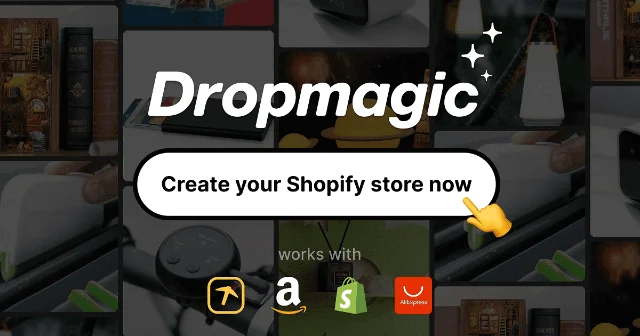
- Technical lift: ★★☆☆☆ — The core pipeline is product scraping → LLM copywriting → AI image generation → Shopify API write. Every component has a public API. No proprietary model.
- Information edge: ★★★☆☆ — 120K+ store generations give DropMagic conversion data that a day-one clone won't have. Which section layouts actually convert is real proprietary signal. [editor's view]
- Capital needed: ★★★☆☆ — YouTube at 2M views suggests significant content investment; plus any paid distribution.
- Legal risk: ★★☆☆☆ — Shopify App Store policies and AliExpress ToS are the main guardrails. AI-generated product copy in e-commerce is well-established territory.
- First concrete step: Build a proof-of-concept that takes an AliExpress URL, calls OpenAI to generate product copy and a store name, and uses the Shopify Admin API to create a draft store. This can be a weekend project.
- First likely failure mode: Shopify Partner status and App Store approval take time and require real quality bars. More likely: you build the tech, then discover that Shopify's organic discovery for new app partners is essentially zero — and you don't have the YouTube channel or affiliate network to drive installs.
AppGen — AI app builder, $9.8K MRR (for sale at $200K)
- Technical lift: ★★★☆☆ — The stack is Next.js + Capacitor + React Native on the frontend, Supabase + Stripe on the backend. 5 Building the AI agent orchestration layer (planning → code generation → deployment) is the real work. Still doable solo, but takes weeks not days.
- Information edge: ★★☆☆☆ — No disclosed proprietary training data. The AI models used aren't confirmed in public sources — [editor's view] likely GPT-4-class for code generation, which any builder can access at the same price.
- Capital needed: ★★☆☆☆ — Low paid marketing apparent; mainly API costs at scale.
- Legal risk: ★★☆☆☆ — Crowded market (Lovable, Replit, Base44) but no obvious IP conflict. The competitive risk is commercial, not legal.
- First concrete step: Stand up a Next.js app that accepts a plain-English description and calls the Claude API (or GPT-4o) to generate a simple React component with Supabase integration. Stripe-gate it at $29/month for 5 generations. Ship it, charge for it, see if anyone uses it.
- First likely failure mode: AppGen is entering a market with Lovable, Replit, and Base44 already established. Your clone will be commoditized before it gains SEO traction. The buyer of AppGen at $200K is betting they can grow distribution faster than the incumbents can move downmarket — you'd need the same bet to go well.
NotFair — Claude-powered Google Ads AI agent, $3.2K MRR
- Technical lift: ★★☆☆☆ — Google Ads API (OAuth) + Claude API. Both are well-documented. The agentic loop (read campaign data → analyze → propose → execute on approval) is the core product, and it maps cleanly to Claude's tool-use capabilities.
- Information edge: ★★☆☆☆ — No proprietary data, but the product accumulates performance benchmarks across customer accounts over time. [editor's view] Early customers are the moat-builders here.
- Capital needed: ★☆☆☆☆ — Near-zero paid acquisition apparent at this stage.
- Legal risk: ★★★☆☆ — This is the real risk axis. Google Ads API ToS limits how third-party tools can automate bid changes. A tool that executes campaign modifications — even with user approval — must comply with Google's API policies and could face access revocation if usage patterns trigger automated enforcement. Not a blocker, but you need to read the ToS carefully before launching.
Pricing tiers [data]: Free Starter ($0/forever), Growth Unlimited ($79/month), Managed done-for-you (from $499/month). 6 The $499 managed tier is interesting — it converts the tool into a service, improving LTV considerably.
- First concrete step: Get Google Ads API access (apply at developers.google.com/google-ads/api — approval takes days). Build a script that uses the API to pull keyword-level performance data for a test account, then calls Claude to surface the three biggest optimization opportunities. Don't touch write access yet — just prove the analysis layer works and that users find it useful.
- First likely failure mode: Google Ads API access is tiered, and automated bid/budget changes require Standard or higher API access level plus compliance review. The "executes with approval" framing sounds safe but Google's automated enforcement can be opaque and sudden. Your first 20 customers may be fine; customer 21 triggers a pattern match and your API access gets suspended.
RankSpot — AI SEO autopilot, ~$2.5K MRR

- Technical lift: ★★☆☆☆ — The pipeline is keyword research API + OpenAI (confirmed as the LLM layer via Product Hunt's "Built with" section) 8 + image generation + CMS API write. Integrations cover WordPress, Webflow, Wix, Shopify, Framer, and Ghost. Doable in two to three weeks of focused building.
- Information edge: ★★☆☆☆ — RankSpot tracks competitor keywords and surfaces Reddit/forum opportunities alongside its core content generation. That angle is differentiated but not patented.
- Capital needed: ★☆☆☆☆ — OpenAI API costs scale with usage but the margins on a $79/month plan are healthy. No paid acquisition visible.
- Legal risk: ★★☆☆☆ — AI-generated SEO content is mainstream. Google's helpful content guidance is the main risk factor; thin AI content can get penalized, which creates churn. [editor's view] This is more of a product quality risk than a legal one.
- First concrete step: Build a single-feature version: take a keyword from the user, run a Serper/SerpAPI search to pull the top-10 ranking articles, extract their headings, feed that context to GPT-4o with a prompt to write a better version, and auto-publish via the WordPress XML-RPC API. Charge $19/month for 5 articles. Validate that users actually care about the output quality before building the full keyword research layer.
- First likely failure mode: The AI SEO tool space is crowded (Surfer SEO, SEMrush, Writesonic, etc.) and Product Hunt as a sole acquisition channel has a known one-month expiry. Your clone launches, gets a few hundred PH upvotes, 20 trials, 4 paying customers, and then traffic goes flat — because you haven't built the SEO moat that the tool itself is supposed to create for customers.
What to do tomorrow morning
참고 출처
- 1
- 2
- 3HighSignal: $117k MRR for Dropmagichighsignal.io
- 4DropMagic official sitedropmagic.ai
- 5TrustMRR: AppGen startup profiletrustmrr.com
- 6TrustMRR: NotFair startup profiletrustmrr.com
- 7
- 8Product Hunt: RankSpotproducthunt.com
- 9RankSpot official siterankspot.ai

AI Wrapper SaaS Weekly
Each week, 3–5 newly launched AI wrapper SaaS products (GPT / Claude / Sora-based niche tools) deconstructed for indie devs: public MRR, pricing, acquisition channel, and a 1–5 'can you replicate this' score.
이 콘텐츠는 채널이 자동으로 생성했습니다. 한 문장이면 Neodrop이 당신을 위해 계속 만들어 냅니다.
관련 콘텐츠
- 로그인하면 댓글을 작성할 수 있습니다.