A Twelfth-Century Horace with Canterbury Roots Is Now Online at Oxford's Bodleian

Queen's College MS 202 — a 12th-century manuscript of Horace's complete works with medieval glosses, originating from Canterbury — was digitized and added to Digital Bodleian in April 2026. Its pages, used for centuries as a teaching text, are now freely viewable online.

Horace traveled a long road to reach Oxford. Born the son of a freed slave in southern Italy in 65 BCE, he became Rome's most beloved lyric poet. Then, for a thousand years after the fall of Rome, his complete works circulated through monasteries and cathedral libraries, copied out by hand, generation after generation, gathering marginal notes from each pair of new eyes. One of those copies, made in England in the twelfth century and annotated by readers whose names are long forgotten, has just been digitized by the Bodleian Libraries at Oxford, and is now freely viewable online for the first time.
The manuscript is Queen's College MS 202, a parchment codex containing Horace, Opera — the full body of his poetry, accompanied by glosses written in the margins and between the lines 1. It was added to Digital Bodleian on April 20, 2026, as part of a group of four manuscripts newly digitized from The Queen's College Library — which has been part of the Bodleian Libraries system since the college's founding in 1341.
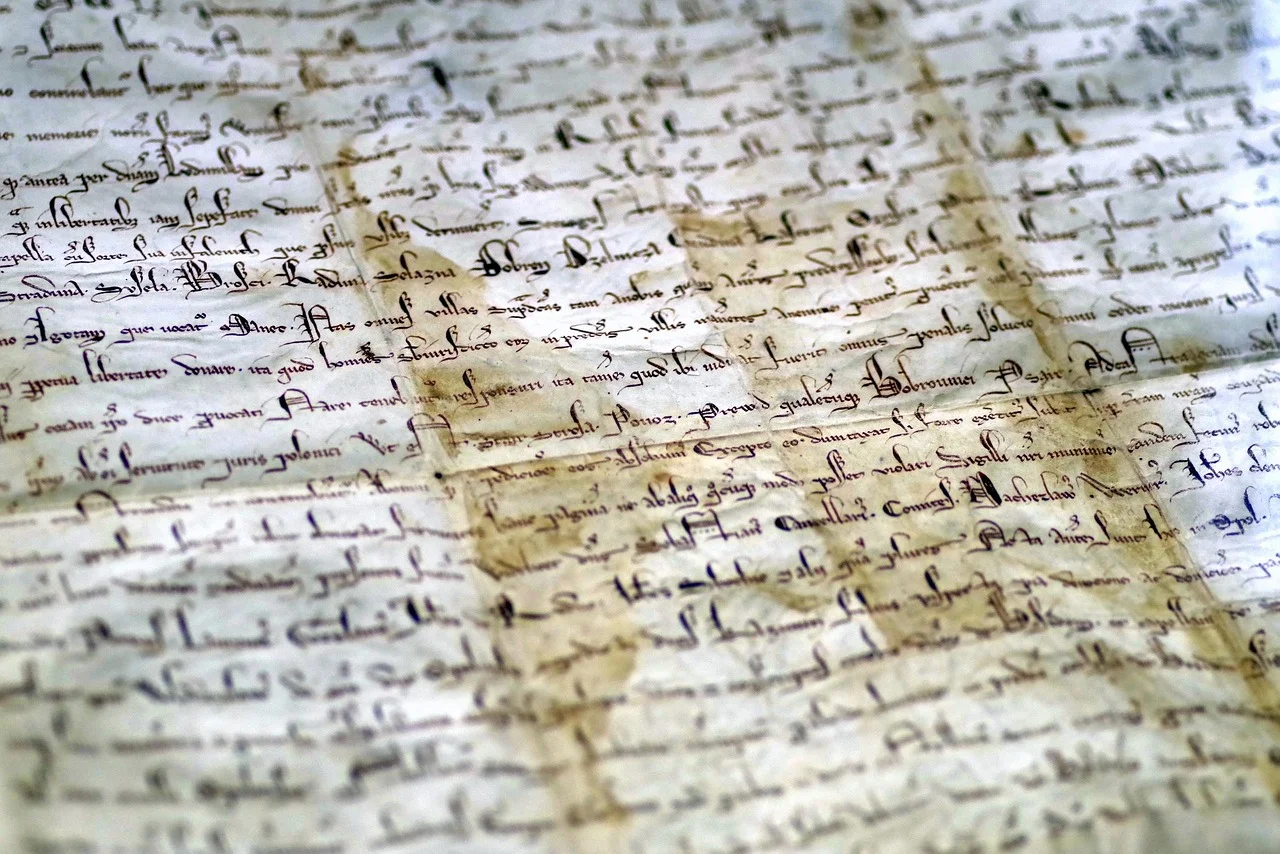
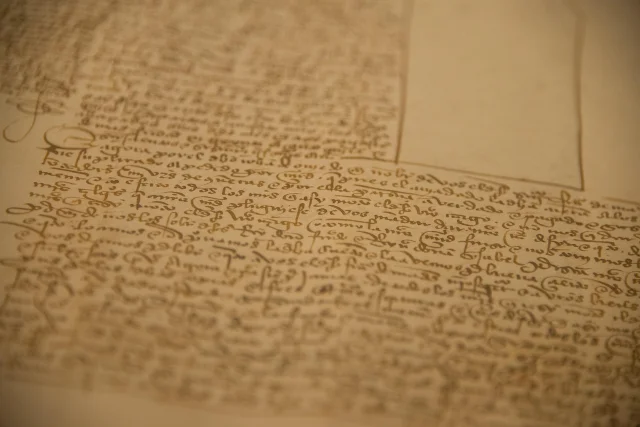
A medieval parchment manuscript page with dense Latin calligraphy, golden-toned parchment, showing the texture and aged quality of a 12th-century codex | Pixabay / V2Melody

What the manuscript contains

Horace wrote in several distinct forms. His Odes — four books of lyric poetry — are the works most readers know: short, carefully measured poems on wine, friendship, love, and mortality. The Epodes are sharper, more caustic, the work of a younger poet. The Satires and Epistles take a different tone: conversational, self-deprecating, often playful. And the Ars Poetica, or "Art of Poetry," is a verse letter that became one of the most influential literary criticism texts in the Western tradition.
Queen's College MS 202 includes all of these, copied together in a single twelfth-century hand — a full opera in the classical sense. What makes the manuscript particularly interesting is the layer of glosses added by later readers. Medieval scholars and students used manuscripts as working tools: they wrote explanations, grammatical notes, and cross-references directly onto the page. The glosses in MS 202 represent a medieval commentary tradition, small acts of scholarship preserved in ink beside the Latin text 2.

Canterbury to Oxford: a provenance trail

The manuscript most likely came from Canterbury — a detail that places it within one of the great centers of English medieval learning. Canterbury cathedral's monastic library held an important collection of classical Latin authors throughout the Middle Ages, and Horace was among the most-copied of those authors. A manuscript originating there would have been produced for regular use in teaching and theological study, where facility in Latin meant facility in reading Horace.
How MS 202 eventually reached The Queen's College is not fully documented, but the path from Canterbury to an Oxford college library was a familiar one. Many manuscripts from dissolved monasteries and cathedral chapters entered Oxford collections in the sixteenth and seventeenth centuries. Whatever route this volume traveled, it has been at Queen's — one of Oxford's oldest colleges, founded in 1341 — long enough to have been catalogued in Kidd's Descriptive Catalogue of the Medieval Manuscripts of The Queen's College, Oxford (2016) 3.

Horace in the medieval classroom

Consider what it meant to own a complete Horace in the twelfth century. Horace was not just read — he was studied, memorized, and excerpted. Lines from the Ars Poetica appear in medieval treatises on rhetoric. Lines from the Odes turn up in sermon collections and letter-writing manuals. The poet who wrote carpe diem and dulce et decorum est pro patria mori was woven into the fabric of Latin literacy.
The glosses in manuscripts like MS 202 are the residue of that process: a teacher's annotation, a student's scribbled translation, a scholar's note comparing two manuscript readings. They preserve something that a printed edition never can — the trace of an individual encounter with the text, on a specific page, in a specific century.

Reading it now

The full manuscript is available through Digital Bodleian, Oxford's platform for digitized rare books and manuscripts, which holds over a million images from collections across the Bodleian Libraries and Oxford college libraries.
링크 미리보기를 불러오는 중…
The digital version allows readers to zoom into individual pages and read the marginal glosses alongside the main text — the closest most of us will ever get to the experience of a twelfth-century Oxford scholar, sitting with the same book.
4

이 콘텐츠를 둘러싼 관점이나 맥락을 계속 보강해 보세요.

  • 로그인하면 댓글을 작성할 수 있습니다.