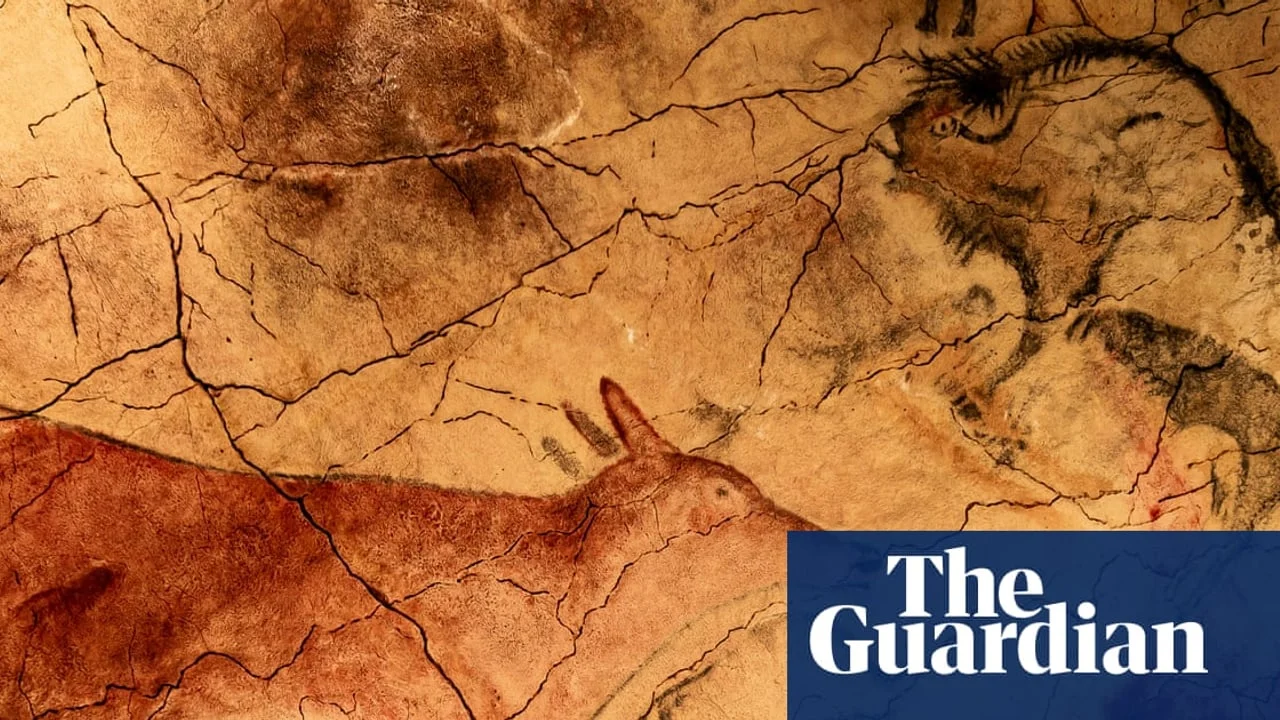
「它把你带出生命,带出时间」——西班牙史前洞穴壁画里,藏着我们消失的祖先
34,000 年前,我们的祖先冒着生命危险深入黑暗洞穴,留下了世界上最早的大型具象艺术。本期精选《卫报》考古长文,跟随史前艺术专家 Diego Garate 深入巴斯克地区洞穴,探讨这些壁画究竟是宗教仪式、幻觉体验,还是人类不平等起源的最早痕迹。附完整中英对照译文、10 个核心词汇及两段长难句语法拆解。

进入黑暗深处——西班牙史前洞穴壁画里藏着什么秘密?
① 标题导读
英文原标题:'They take you out of life, out of time': a journey into Spain's astonishing cave paintings
中文「标题党」译名:「它把你带出生命,带出时间」——西班牙史前洞穴壁画里,藏着我们消失的祖先
背景简介:距今三四万年前,我们的祖先在伊比利亚半岛北部的石灰岩洞穴里创作了世界上最早的大型具象艺术——阿尔塔米拉、拉斯科、阿特苏拉……这些洞穴深处的野牛、马和手印,让毕加索感叹「此后皆是衰落」。时至今日,只有极少数获得授权的学者才能踏入这些地下圣殿。本文作者 Stephen Phelan 跟随史前艺术专家 Diego Garate 深入巴斯克地区的洞穴,探访一场延续了三万年的「演出」——并提出一个令人不安的问题:这些图像是宗教,是幻觉,还是早期社会不平等的第一道烙印?
② 原文与参考译文
Passage 1
The aurochs, the mammoth and the steppe bison are long extinct, but their painted likenesses still look relatively fresh across the walls and roofs of Altamira. Or so said Diego Garate Maidagan, who is one of the very few humans allowed to enter that exalted cave in northern Spain.
原牛、猛犸象和草原野牛早已灭绝,但它们的画像仍相对清晰地留在阿尔塔米拉的岩壁与穹顶上——至少,被允许进入这座北班牙洞穴的极少数人类之一迭戈·加拉特·迈达甘是这样说的。
Passage 2
About 34,000 years ago, our distant ancestors began making frescoes with chiaroscuro effects through that suite of subterranean vaults, which remained in use for many millennia, until the cave mouth was sealed by a rockfall. The best part of a geological epoch passed before a curious gun dog clawed its way across the threshold in 1868, leading a succession of witnesses into the first such prehistoric gallery ever seen by modern eyes.
约 34,000 年前,我们遥远的祖先开始在这套地下穹窿里以明暗对比法创作壁画,这一传统延续了数千年,直到洞口被山崩封堵。又过了一个地质时代,1868 年,一只好奇的猎犬用爪子掘开入口,引领着一批又一批目击者进入第一座被现代人眼睛所见的史前画廊。1
Passage 3
The technique on display at Altamira seemed much too sophisticated for troglodytic numbskulls, as Palaeolithic people were then assumed to be, and self-appointed experts from France initially declared the whole thing a hoax. Pablo Picasso is said to have visited, or at least looked at some photos, and the quote attributed to him is possibly apocryphal, but an appraisal for the ages nonetheless: "After Altamira, all is decadence."
阿尔塔米拉展示的技艺,在当时被认为远超穴居「蠢货」——人们对旧石器时代人类就是这样想象的——法国的权威人士最初断然宣称这一切不过是骗局。据说毕加索曾造访,或至少看过一些照片;那句归在他名下的评语或许是杜撰,却足以留传千古:「阿尔塔米拉之后,皆是衰落。」1
Passage 4
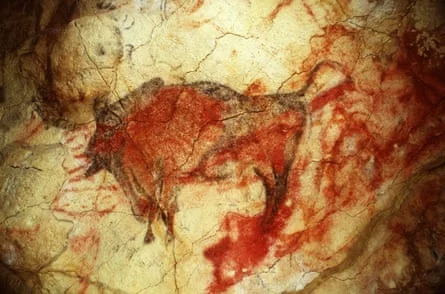
"Back then, there were only three of us in my department," said Garate. "And we would each need three lifetimes to explore all those caves." So, they consulted, enlisted, and effectively deputised a taskforce from the Union of Basque Speleologists. The academics taught the spelunkers to angle their head torches a certain way, adjust their gazes just so. And, in the manner of messages appearing in shower-steam on a bathroom mirror, ghost portraits of prehistoric animals began to reveal themselves all over the Basque Country.
「那时我们系里只有三个人,」加拉特说,「而每个人需要三辈子才能探完所有洞穴。」于是他们咨询、招募,实际上是授权了一支来自巴斯克洞穴探险者联盟的特别小队。学者们教会洞穴探险家如何调整头灯角度,如何校正视线——就像浴室镜子上水蒸气里浮现的字迹,史前动物的幽灵肖像开始在巴斯克大地各处的洞穴里显现。1
Passage 5
The researchers have also long suspected that low-grade inflammation may play a role in breast cancer development. — (此段为加拉特对史前艺人如剧场导演般运用空间的描述)
"We know it was important, because they invested so much time, and effort, and risk, and resources, to bring people here, and to tell them something. But what they were saying, the significance of the message … why three horses on this wall? Why two lions in some other place? We don't know, and we will never know."
「我们知道这件事很重要,因为他们投入了大量的时间、精力、冒着风险、耗费了资源,把人们带到这里,想告诉他们什么。但他们究竟在说什么,信息的意义何在……为什么这面墙上是三匹马?为什么某个地方是两头狮子?我们不知道,而且永远也不会知道。」1
Passage 6
Considering their place in the food chain, the painters could not be said to take this species very seriously. "They were meat," wrote Ehrenreich, "and they also seemed to know that they knew they were meat – meat that could think. And that, if you think about it long enough, is almost funny."
从食物链上的位置来看,这些画家似乎并不把自己的物种当回事。「他们是肉,」埃伦赖希写道,「而且他们似乎知道,自己知道自己是肉——会思考的肉。如果你想得够久,这件事其实挺好笑的。」1
Passage 7
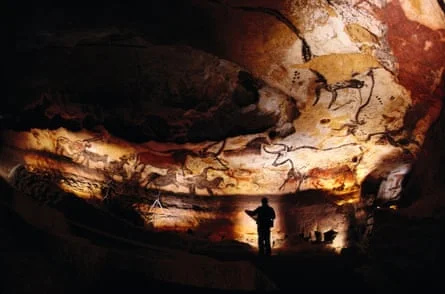
He moved as far as he would let himself go into the realm of informed speculation about this art. "This activity required complex logistical preparation in terms of resources. Certain people had to specialise in these tasks, leaving aside the more basic survival tasks, such as hunting and fishing. Now, this implies the creation of surpluses in some kind of hierarchy. So, what we call 'art' here, beyond the mystery of its meaning, might help us understand the organisation of that past society. And, possibly, the very origins of inequalities in humanity."
他把自己拉到有凭据的推测所允许的最远处。「这项活动在资源方面需要复杂的后勤准备。某些人必须专门从事这些工作,放弃更基本的生存任务,比如狩猎和捕鱼。这意味着要有盈余,意味着某种等级制度。所以,我们所说的这里的'艺术',除了其含义之谜,还可能帮助我们理解那个过去社会的组织方式——甚至可能揭示人类不平等的最初起源。」1
③ 核心词汇
| 词汇 / 短语 | 音标 | 词性 | 释义 | 语境说明 |
|---|---|---|---|---|
| aurochs | /ˈɔːrɒks/ | n. | 原牛(已灭绝的野生牛类祖先) | 阿尔塔米拉壁画的主要描绘对象之一,常见于史前艺术文献;考研和雅思阅读偶有出现的动物学词汇 |
| chiaroscuro | /kiˌɑːrəˈskjʊərəʊ/ | n. | 明暗对比法(绘画技法) | 源自意大利语,指用强烈明暗对比塑造立体感的技法,文艺复兴绘画的核心术语;本文用来说明史前人类已掌握此技法,令学界震惊 |
| Palaeolithic | /ˌpæliəˈlɪθɪk/ | adj./n. | 旧石器时代(的) | 考古学核心词汇,指约 330 万年前至 1.2 万年前的史前时期;与之对应的是 Neolithic(新石器时代) |
| troglodytic | /ˌtrɒɡləˈdɪtɪk/ | adj. | 穴居(人)的;落后野蛮的 | 源自希腊语「洞穴居民」,本文语带讽刺,指 19 世纪欧洲人对史前人类的偏见;雅思高频词根 troglo-(洞穴) |
| apocryphal | /əˈpɒkrɪfəl/ | adj. | 来历可疑的;(故事)无法证实的 | 源自《次经》(Apocrypha)相关词根,形容难以核实真伪的名言或轶事;GRE/考研词汇 |
| entoptic phenomena | /enˈtɒptɪk fɪˈnɒmɪnə/ | n. phr. | 内源性视觉现象(眼内光视现象) | 指大脑或视觉神经系统内部产生的光点、线条、几何图案;本文中用于解释史前壁画中几何符号的起源——可能与致幻剂或深度黑暗中的神经活动有关 |
| spelunker | /spɪˈlʌŋkər/ | n. | 洞穴探险爱好者(非专业) | 美式英语词汇,区别于 speleologist(学术洞穴学家);本文中指协助考古学家寻找隐藏壁画的志愿者团队 |
| petroglyph | /ˈpetrəɡlɪf/ | n. | 岩刻;石刻图像 | 源自希腊语 petra(石头)+ glyphein(雕刻),指刻入岩石表面的史前图案;与 pictograph(彩绘岩画)相对 |
| logistical | /ləˈdʒɪstɪkəl/ | adj. | 后勤(方面)的;组织协调的 | 本文中加拉特用此词形容史前人类深入洞穴作画需要「复杂的后勤准备」,暗示原始社会已存在专业分工;雅思/考研高频商务词汇 |
| collective unconscious | /kəˈlektɪv ʌnˈkɒnʃəs/ | n. phr. | 集体无意识 | 荣格心理学核心概念,指人类跨代遗传的共同心理原型;本文以此解释为何现代人在洞穴前仍有「识别感」——我们的潜意识与祖先相连 |
④ 长难句语法拆解
句 1
The technique on display at Altamira seemed much too sophisticated for troglodytic numbskulls, as Palaeolithic people were then assumed to be, and self-appointed experts from France initially declared the whole thing a hoax.
结构分析:
| 成分 | 原文片段 | 说明 |
|---|---|---|
| 主语 S | The technique on display at Altamira | 名词短语;on display at Altamira 是介词短语后置定语修饰 technique |
| 谓语 V1 | seemed | 系动词 |
| 表语 | much too sophisticated for troglodytic numbskulls | much too + 形容词,「远超……的水平」;for 引导比较对象 |
| 插入语 | as Palaeolithic people were then assumed to be | as 引导方式从句,等同于 as they were assumed to be troglodytic numbskulls;插入句中进一步解释了「穴居笨蛋」的所指 |
| 并列谓语 V2 | declared | 和 seemed 并列,主语换为 self-appointed experts from France |
| 宾语从句 | the whole thing a hoax | declare sth. sth. 复合宾语结构(declare 双宾) |
语法要点:①
much too + adj. 表示程度过分;② as + 主语 + be assumed to be 是表方式的插入从句(as 引导方式状语从句省略谓语部分);③ declare sth. sth. 属于 SVOC 结构(复合宾语),declare 之后直接接宾语 + 宾语补语,无需 that 从句。句 2
"This activity required complex logistical preparation in terms of resources. Certain people had to specialise in these tasks, leaving aside the more basic survival tasks, such as hunting and fishing. Now, this implies the creation of surpluses in some kind of hierarchy."
结构分析:(取第二句进行深度拆解)
| 成分 | 原文片段 | 说明 |
|---|---|---|
| 主语 S | Certain people | 「某些人」(指当时专职作画者) |
| 谓语 V | had to specialise in | had to 情态动词表过去的义务;specialise in 表「专门从事」 |
| 宾语 O | these tasks | 即创作壁画的任务 |
| 现在分词短语(伴随状语) | leaving aside the more basic survival tasks | leaving aside 表「将……搁置一旁」,作伴随状语,说明「专职作画」的代价 |
| 同位语(进一步解释) | such as hunting and fishing | 举例说明「基本生存任务」的具体内容 |
语法要点:①
specialise in 固定搭配,表「专攻某领域」(英式拼写,美式为 specialize);② leaving aside 现在分词短语作伴随状语,与主句动作同时发生;③ such as 用于举例(区别于 like 的较正式用法,考研/雅思写作推荐使用);④ 整个段落以短句层层递进,逻辑链条是:专业分工 → 剩余盈余 → 等级制度 → 不平等起源,是典型的「推论链」学术语体。콘텐츠 카드를 불러오는 중…
이 콘텐츠를 둘러싼 관점이나 맥락을 계속 보강해 보세요.