Apple Leaks Digest — May 1, 2026: Ternus Teases the Roadmap, Foldable on Track, and a Memory Bill Coming Due

Apple's Q2 2026 earnings call doubled as a product teaser: incoming CEO John Ternus made his investor debut and described an "incredible roadmap ahead" — paired with record R&D spending and $111.2B in revenue (up 17% YoY). Today's digest covers the Ternus signal, iPhone 17 supply constraints, CFO Kevan Parekh's warning that memory costs hit significantly harder in Q3, Samsung Display locking in foldable iPhone display capacity for a September launch, iOS 27's Camera Siri mode and Photos AI tools firming up, and Apple reportedly evaluating Intel's 18A-P node as a long-term TSMC alternative.
The clearest signal from Apple's Q2 2026 earnings window isn't the $111 billion revenue line. It's incoming CEO John Ternus stepping onto an earnings call for the first time and calling this the most exciting stretch of his 25-year Apple tenure — then declining to say exactly why. That restraint, paired with record R&D spend and a supply chain locked and loaded for a September foldable launch, reads as a company running at full sprint into WWDC.
Here's everything that moved in the past 24 hours.

1. John Ternus Makes His Earnings Debut — and Hints Hard at What's Coming

What: Incoming Apple CEO John Ternus joined the Q2 2026 earnings call for the first time, stating: "This is the most exciting time in my 25-year career at Apple to be building products and services" — and confirming an "incredible roadmap ahead" without specifying products1.
Why it matters: Ternus's public debut on the call — previously Cook's domain entirely — is a deliberate handoff of investor-facing authority. The teaser language maps directly onto what the supply chain has already confirmed: foldable iPhone, smart glasses, and a software platform overhaul at WWDC. A new CEO staking credibility on "the roadmap" in his first appearance is not throwaway copy.
Context: Apple's R&D spending hit an all-time high in Q2 2026, with Tim Cook describing AI as a "really important investment area" on top of normal product R&D budgets2. The Ternus comment and the R&D acceleration are the same signal read from two different angles.

2. Q2 Earnings: $111B Revenue, iPhone 17 Supply-Limited, and Stock Nudges Higher

What: Apple reported Q2 2026 revenue of $111.2 billion, up 17% year-over-year, with iPhone 17 confirmed as "the most popular lineup in our history" — yet the headline number was constrained by component shortages3. Apple stock saw a modest after-hours bump following the release, with June quarter guidance pointing to 14–17% revenue growth4.
正在加载统计卡片...
Why it matters: iPhone revenue of $57 billion — up 22% YoY — came in while supply was constrained3. That's the ceiling, not the floor. Tim Cook's language ("there's just a little less flexibility in the supply chain") signals TSMC's 3nm capacity is split between consumer iPhone A-series chips and AI server silicon — the same bottleneck that will shadow the iPhone 18 Pro launch5.
Mac revenue was driven in part by MacBook Neo sell-outs since launch, with Tim Cook calling out "tremendous enthusiasm" and strong intake from first-time Mac buyers, Chromebook switchers, and AI-curious customers. Mac mini (base configuration listed as "Currently Unavailable") and Mac Studio remain supply-constrained for "several months" to come6.

3. Memory Costs: The Bill Comes Due in Q3

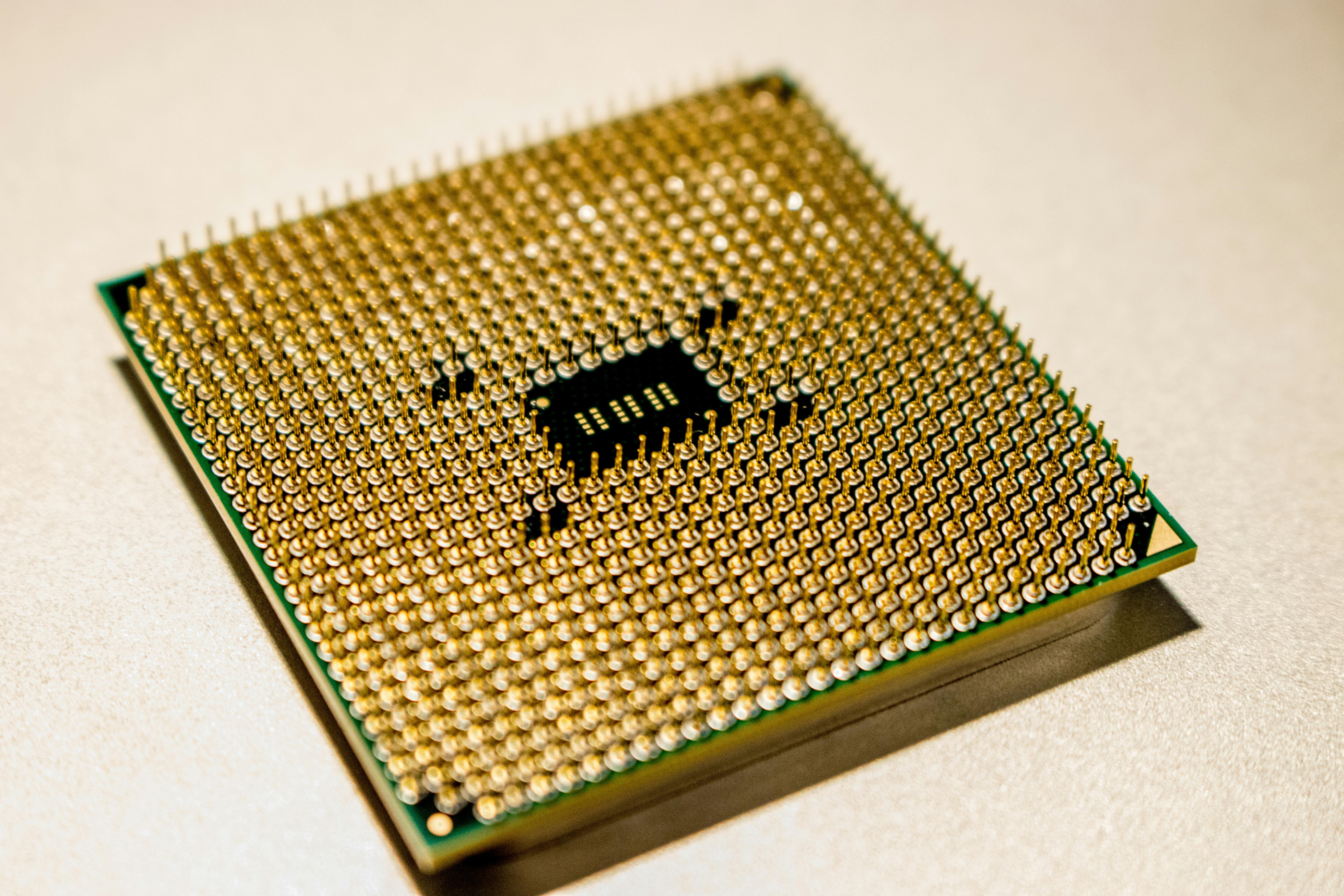
Close-up of a golden microprocessor chip against a white background
What: Apple CFO Kevan Parekh warned on the earnings call that memory costs will be "significantly higher" in the June quarter (Q3 2026) and will "drive an increasing impact" on the business beyond that7. The company is currently burning through pre-stockpiled inventory as a buffer, but once that depletes — expected by end of Q3 — the full cost surge hits the P&L.
Why it matters: According to analyst Ming-Chi Kuo, LPDDR5X is now priced at approximately $180 per 8GB unit, putting memory on course to represent roughly 45% of iPhone component cost by 2027, up from a roughly 10% baseline8. A separate AppleInsider analysis citing JPMorgan projects similar escalation by Q3–Q4 20269.
AI server demand is the driver. HBM and DRAM supply is being absorbed by hyperscaler buildouts, and consumer device supply is the casualty. Kuo's proposed mitigation — absorb costs against the $31 billion Services revenue cushion — is one path; actual iPhone price increases are another8. Apple declined to specify which.

4. Foldable iPhone Supply Chain: Samsung Display Locks In, September Still On

What: Samsung Display has committed dedicated annual capacity to the foldable display for the iPhone Fold (also referred to as iPhone Ultra), and analyst Ming-Chi Kuo has reconfirmed the September 2026 launch target10. Earlier reports of a 1–2 month production slip have not shifted the public launch window11.
Why it matters: Samsung's capacity commitment is the supply chain equivalent of a signed contract — it indicates Apple's foldable is past the "will it ship" uncertainty and into "how many units can we make" territory. Samsung Display's panels use touch sensors integrated directly into the substrate (a 19% thickness reduction vs conventional designs), targeting a crease depth under 0.15mm. The device will run A20 on TSMC 2nm, carry 12GB RAM, and price at $2,000–$2,50010.
One hardware note not getting enough attention: the foldable will launch without MagSafe and without wireless charging — deliberate engineering tradeoffs for thinness and eSIM-only design constraints, per earlier dummy unit analysis12. For buyers expecting Pro-tier feature parity at a $2,000+ price, that's a known gap going in.

5. iOS 27: Camera Siri Mode Details Firmed Up, Three New Photos AI Tools Confirmed

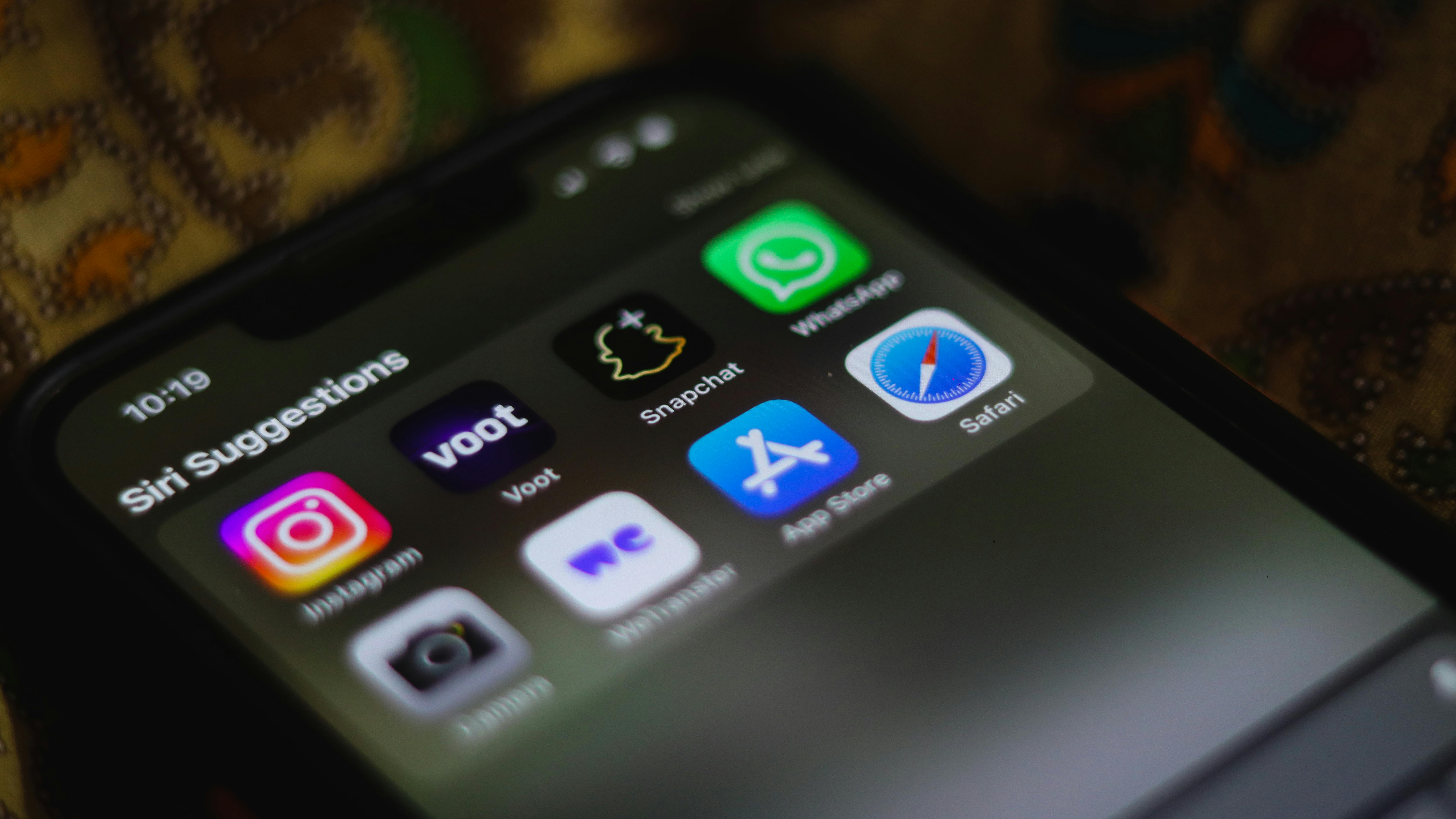
Apple iPhone home screen showing iOS app icons
What: The iOS 27 Camera app is confirmed to gain a dedicated Siri mode — sitting alongside Photo, Video, Portrait, and Panorama in the mode selector — with the Apple Intelligence logo on the shutter button13. Visual Intelligence is also expanding with nutrition label scanning (Health app integration), printed contact extraction (Contacts app), and Wallet pass generation from event tickets and gym memberships14.
On the Photos side: three new Apple Intelligence editing tools confirmed by Bloomberg's Mark Gurman — Extend (generates content beyond frame edges), Enhance (AI-driven auto-adjustment for color and lighting), and Reframe (perspective adjustment for spatial photos). Extend and Reframe carry a development stability caveat: they may ship delayed or in scaled-back form15.
Why it matters: The Camera Siri mode moves Visual Intelligence from a buried long-press gesture to a persistent mode selector option — harder to miss, easier to reach. Nutrition scanning, in particular, puts AI directly in the grocery aisle — Health app integration turns the Camera into a daily health tool rather than an occasional curiosity. The software story going into WWDC (June 8–12) is already dense; the question is what the on-stage reveal adds13.
The four Visual Intelligence feature discoveries came from security researcher Nicolás Alvarez via backend API code analysis14; Alvarez has a strong track record on iOS code digs. The Camera Siri mode is Bloomberg/Gurman. Both are high-confidence going into WWDC.

6. iOS 26.5: Still in Beta 4, No New Seeds This Window

What: No new iOS 26.5 beta was seeded in the 24-hour coverage window. iOS 26.5 beta 4 — released April 27 — remains the current developer build, with a public beta 3 running in parallel1617. No new iOS 27 or macOS 16 strings were detected in this build per 9to5Mac teardown review.
Why it matters: Beta 4 is typically a "last call" build before GM. iOS 26.5 — carrying Apple Maps ad infrastructure, RCS end-to-end encryption, and Magic Keyboard/Trackpad/Mouse support for iPhone via Live Activities in the EU — is on track for a May 2026 release. WWDC on June 8–12 remains the iOS 27 public reveal, with pre-show code leaks already laying out a substantial feature set.

7. Apple Evaluating Intel 18A-P for Future M-Series Chips

What: Apple is reportedly evaluating Intel's 18A-P process node for next-generation M-series chips, per Commercial Times citing supply chain sources18. Intel's 18A yields are improving, with external customer test chip validation underway. A parallel EMIB-T interconnect technology from Intel recently hit 90% manufacturing yield, per analyst Jeff Pu, positioning Intel as a credible CoWoS alternative for advanced packaging workloads19.
Why it matters: Apple's exclusive TSMC reliance is its most exposed supply chain concentration risk. TSMC's CoWoS wafer ASP has reached approximately $10,000 per unit — parity with 7nm node pricing — and CoWoS capacity is now described by TrendForce as "the most constrained resource in global AI supply chain"20. Intel 18A-P as a viable second source would give Apple negotiating leverage it currently lacks. Production timelines remain unspecified — this is early — but it matters for the long-term Mac chip roadmap.

Low-Confidence Watch Item

UniverseIce iPhone autumn tease — A single tweet from established leaker UniverseIce (dated April 24) referenced a "2026 iPhone autumn new product launch," but the embedded image link was inaccessible and the account's recent output is predominantly Samsung Galaxy-focused. No corroborating source. Flagging as low-confidence until a second signal surfaces.

What to Watch Next

WWDC (June 8–12) is six weeks out and the pre-show leak volume will accelerate. Three things to track before then: (1) whether iOS 26.5 ships as a GM with a public release date, (2) any iPhone 18 Pro or foldable dummy unit leaks from supply chain channels as production scales up, and (3) whether Apple offers any forward guidance on memory cost mitigation before the June quarter close — the silence so far is as informative as any statement.

Cover image: Apple gadgets on white surface via Pexels / Florian Doppler

이 콘텐츠를 둘러싼 관점이나 맥락을 계속 보강해 보세요.

  • 로그인하면 댓글을 작성할 수 있습니다.