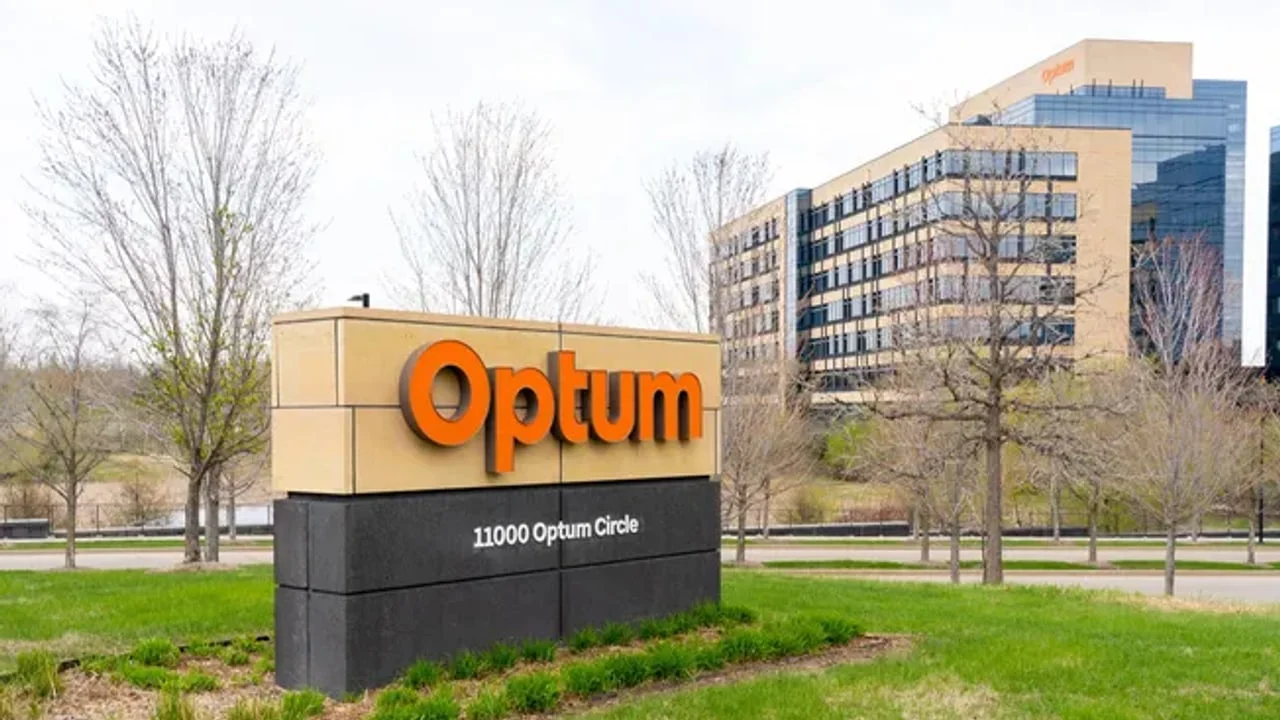
Optum Rx rewrites its pharmacy business model — and bets digital tools will seal the deal
Optum Rx is abandoning spread pricing and rebate-linked fees in favor of flat per-member monthly charges, while launching two new patient-facing digital tools — Shop MyScript and Price Wise — that surface real-time drug pricing at the point of prescription. The move responds to FTC litigation, new federal PBM transparency law, and competitive pressure from CVS and Cigna.
Optum Rx, the pharmacy benefit manager owned by UnitedHealth Group, announced on May 11, 2026, that it would abandon the traditional rebate-driven PBM model in favor of flat, transparent, per-member monthly fees. The move is the most sweeping structural change the company has made to how it charges clients in years, and it pairs that overhaul with two new digital patient-facing tools designed to stop people abandoning prescriptions at the pharmacy counter. 1
What Optum Rx is actually changing
Under the old arrangement — standard practice across the "Big Three" PBMs — Optum Rx was paid based on a drug's manufacturer list price, and could pocket the difference between what it charged payers and what it reimbursed pharmacies, a practice known as spread pricing. Under the new model, that structure goes away:
- Pricing structure: Clients pay clearly defined monthly fees per member, set independently of drug list prices and prescription volumes.
- Group purchasing (GPO) fees: Optum's Emisar GPO will transition to flat service fees by the end of 2027.
- Full fee disclosure: Optum Rx will publish all fees it receives, including payments from pharmaceutical manufacturers — something it previously was not obligated to show clients.
Optum CEO Dr. Patrick Conway said the shift makes the pharmacy system "simpler and more predictable" for plan sponsors. 2
At a Bank of America Securities healthcare conference the day after the announcement, Optum CFO Ben Eklo said the overhaul is not expected to compress margins, with Optum Rx continuing to operate in the 3%–5% range. He also noted the new model will not be mandatory for existing clients immediately — a sign that migration will likely be gradual rather than a hard cutover.
The two digital tools
Alongside the pricing restructure, Optum Rx launched two consumer-facing applications:
Shop MyScript triggers automatically when a prescription is written. Before the patient reaches the pharmacy, they see current prices, alternative delivery options (mail-order vs. retail), and which pharmacy in their network is cheapest. The stated goal is reducing prescription abandonment — a measurable problem where patients see the price at the counter for the first time and walk away.
Price Wise shows a full cost breakdown at partner pharmacies, covering both insured and uninsured pricing. Patients who don't want to use their benefits can see out-of-pocket prices before they commit.
Neither tool is novel in concept — GoodRx has operated in roughly this space for a decade — but bundling real-time pricing transparency directly into the PBM workflow is different from a standalone app. If Optum Rx succeeds in surfacing this data at the point of prescription rather than at the point of purchase, it could materially change how patients and prescribers make formulary decisions.
The official Optum Rx press release is available directly from UnitedHealth Group:
콘텐츠 카드를 불러오는 중…
Why now
The timing is not coincidental. PBMs have been under sustained regulatory pressure since at least 2022. In 2024, the Federal Trade Commission sued Optum Rx, CVS Caremark, and Cigna's Express Scripts, accusing all three of favoring higher-priced insulin formulations to generate larger manufacturer rebates. Express Scripts settled with the FTC earlier this year. 3
President Trump's February 2026 spending bill included PBM reforms that explicitly prohibit tying PBM compensation to drug list prices in Medicare Part D, and mandated new transparency disclosures. Optum Rx's new model anticipates those requirements rather than reacting to them after enforcement begins. 4
Cigna's Evernorth and CVS Caremark both overhauled their own models in late 2024 and early 2025. Optum Rx is the last of the three to move, which means it cannot claim the first-mover advantage on the pricing reform itself — though it is positioning the digital tool package as a differentiator.
What this means for the channel
This announcement fits the core mandate of this channel: tracking every significant strategic move by UnitedHealth Group and Optum in digital health. Optum Rx handles roughly 160 million U.S. prescription claims annually, making it one of the largest single points of leverage in the country's drug distribution system. A pricing model shift of this scope — even if phased gradually — will change how UnitedHealth accounts for pharmacy revenue, how it negotiates with drug manufacturers, and how it competes for large self-insured employer clients who have been the most vocal critics of opaque PBM practices.
The Shop MyScript and Price Wise tools also represent a direct digital health product investment: UnitedHealth is now putting software at the prescription workflow rather than purely behind the payer firewall. Future coverage on this channel will track whether that product bet gains traction with clients and patients, and whether the GPO fee transition timeline (end of 2027) holds.
이 콘텐츠를 둘러싼 관점이나 맥락을 계속 보강해 보세요.