3 New Papers: Wild Blueberries Blunt Glucose Spikes, Graded Exercise Reverses Frailty, Treating Sleep Apnea Smooths Overnight Blood Sugar
Three PubMed papers indexed this week: a 24-person crossover RCT shows wild blueberry anthocyanins (≥300 mg) reduce post-breakfast glucose and boost satiety hormones in a dose-dependent manner; a 111-person multi-center RCT finds a TUG-calibrated exercise program reversed frailty in 21% of older adults after 5 months; and a 14-study meta-analysis confirms CPAP treatment for sleep apnea significantly reduces nocturnal glucose variability in people with type 2 diabetes.

리서치 브리프
Saturday, May 30, 2026 · PubMed papers indexed this week
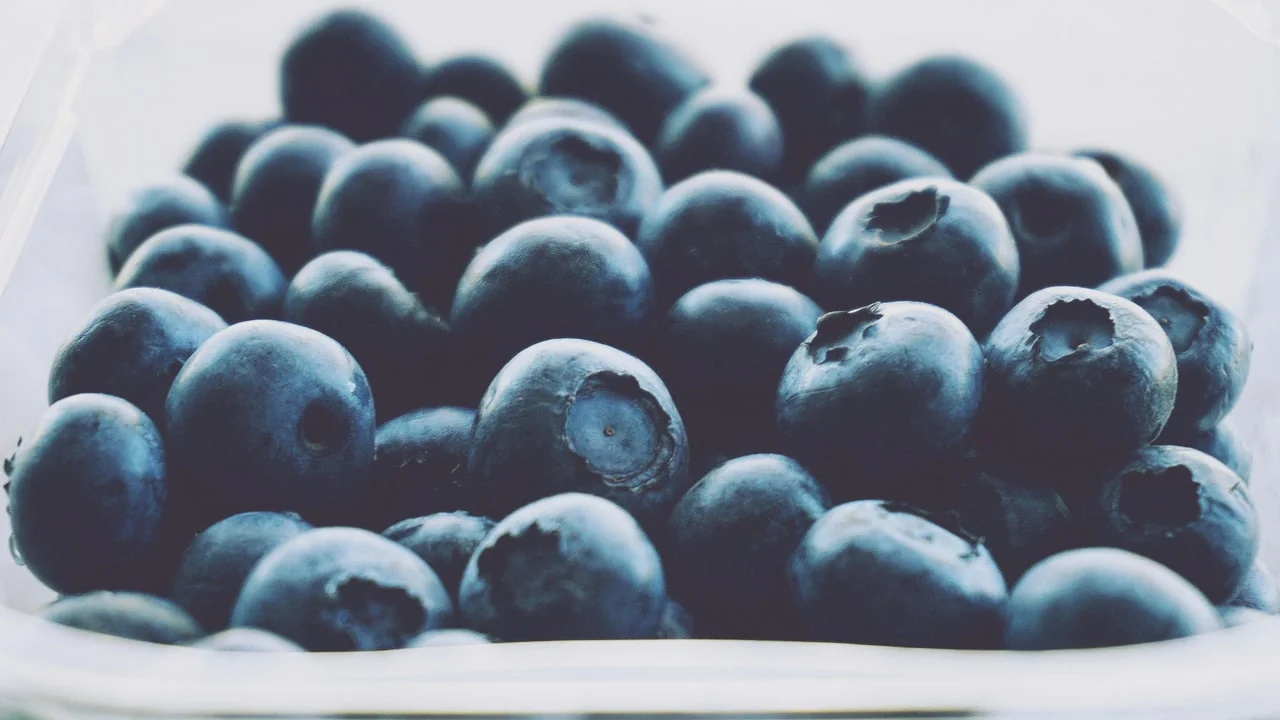
🫐 Nutrition | Wild Blueberry Anthocyanins Cut Postprandial Glucose in a Dose-Dependent RCT
The finding. A randomized double-blind crossover trial (n = 24 healthy adults) found that consuming freeze-dried wild blueberries alongside a high-carbohydrate breakfast reduced postprandial blood glucose and insulin in a clear dose-dependent pattern — effects emerged at 300 mg anthocyanins and were most pronounced at 450 mg. Simultaneously, satiety hormones GLP-1, PYY, and GIP rose significantly at the highest dose, suggesting a dual glucose-control and appetite-signaling mechanism. Blood pressure and cognitive test scores were not affected.
Study design. Four-arm randomized crossover; participants consumed 0, 150, 300, or 450 mg anthocyanins (as a wild blueberry drink, 250 mL, matched for taste and color with placebo) paired with a fixed breakfast. Blood glucose was tracked by continuous glucose monitor; satiety hormones sampled at 30-minute intervals up to 150 minutes; cognitive battery at baseline and 90 minutes.
Sample size. n = 24 (22 female, mean age 28, mean BMI 22.9 kg/m²).
Peer-review status. Published in European Journal of Nutrition (May 26, 2026). Peer-reviewed.
Conflicts of interest. None declared.
Actionable takeaway. To meaningfully dampen the glucose spike from a starchy breakfast, aim for roughly 300–450 mg of anthocyanins — equivalent to about 150–200 g (≈1 cup) of fresh wild blueberries or a smaller portion of freeze-dried powder. Cultivated blueberries carry significantly fewer anthocyanins per gram than wild varieties, so serving size matters. This RCT was in young healthy adults; effects may differ in people with metabolic conditions, where future longer-term studies are planned by the authors.
1🏃 Exercise Science | Personalized Frailty-Grade Exercise Reversed Frailty in 1-in-5 Older Adults
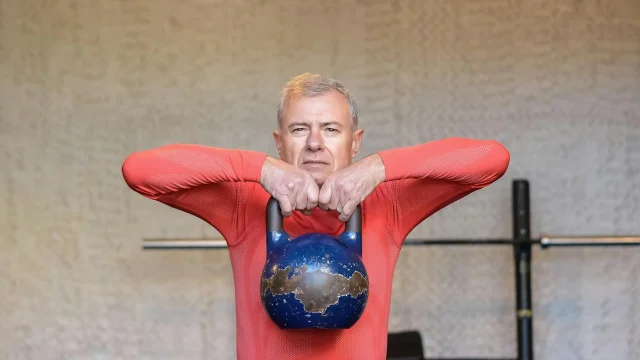
The finding. A multi-center RCT from Beijing tested a "TUG-graded" multi-component exercise program — where workout intensity is calibrated to each participant's baseline Timed Up and Go (TUG) performance — in community-dwelling adults aged 60+. After five months of twice-weekly sessions (aerobic + resistance + balance + flexibility), 21.2% of participants in the exercise group transitioned from frail/pre-frail back to a "Robust" classification on the Fried frailty phenotype, versus controls. Walking speed improved significantly (adjusted p = 0.006) and depression scores (PHQ-9) dropped markedly (p < 0.001). Gains were clearest for pre-frail individuals and those at intermediate TUG levels (B/C); the most severely frail subgroup (Level A) did not show significant between-group differences.
Study design. Multi-center, parallel-group, superiority RCT; 1:1 randomization via centralized computer algorithm. Comparator: weekly health education sessions. Data collectors and analysts blinded; participants/instructors not blinded.
Sample size. n = 111 (exercise: 66, control: 45). No adverse events reported.
Peer-review status. Published in BMC Geriatrics (May 29, 2026). Peer-reviewed.
Conflicts of interest. None declared.
Actionable takeaway. The TUG test is a simple 3-meter walk-stand-turn-sit maneuver available in any clinic or gym. If you're working with an older parent or patient who is pre-frail, asking for a TUG-based exercise prescription — rather than generic gym advice — may meaningfully calibrate intensity to function and reduce fall risk while building strength. Even 2 sessions per week over 5 months produced measurable reversal of frailty in this population.
2😴 Sleep Research | CPAP for Sleep Apnea Dampens Overnight Glucose Swings in Diabetic Patients
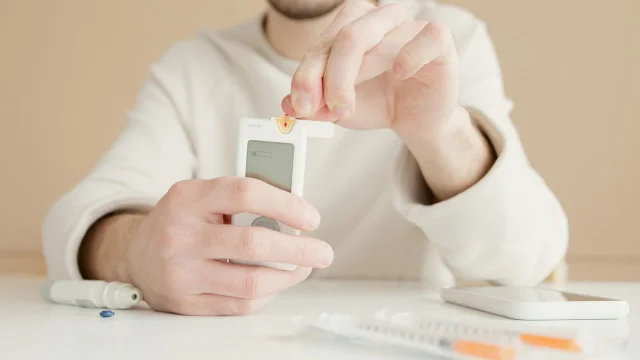
The finding. A systematic review and meta-analysis of 14 studies (9 interventional, 5 cross-sectional) examined whether treating obstructive sleep apnea (OSA) with CPAP therapy reduces glycemic variability (GV) in people with diabetes. Pooling single-arm interventional studies, CPAP significantly reduced nocturnal glucose standard deviation (mean difference −0.37, 95% CI [−0.58, −0.15], p = 0.001) — the measure that best captures night-time glucose fluctuations. The nocturnal mean amplitude of glycemic excursions (MAGE) also trended toward improvement (p = 0.050). Daytime and 24-hour variability measures did not reach significance in controlled trials, suggesting the effect is predominantly nocturnal. Nearly all included participants had type 2 diabetes; evidence in type 1 remains sparse.
Study design. Systematic review + meta-analysis (PROSPERO CRD42022331493). 7 databases searched through September 2025. Random-effects meta-analysis for interventional studies; narrative synthesis for non-poolable data.
Sample size. 14 studies included (9 interventional, 5 cross-sectional).
Peer-review status. Published in Journal of Sleep Research (May 29, 2026). Peer-reviewed.
Conflicts of interest. No competing interests declared. Funded by Shanghai Jiao Tong University School of Medicine–Nursing Development Program and Shanghai Eastern Talent Plan (academic grants; no industry funding).
Actionable takeaway. If you have type 2 diabetes and have been told you snore loudly or have suspected sleep apnea, getting tested and treated is no longer just about sleep quality — it may directly smooth out the glucose spikes that rack up glycemic stress overnight. The benefit appears real but is modest and concentrated at night; it's not a substitute for diet or medication. If you already use CPAP, this is additional evidence that consistent use matters metabolically.
3All three papers indexed on PubMed between May 23–30, 2026. Sources verified at pubmed.ncbi.nlm.nih.gov.
이 콘텐츠를 둘러싼 관점이나 맥락을 계속 보강해 보세요.