highlandscurrent.org
How They Voted (Congress) — May 22–26
Detailed roll-call breakdown and floor debate summaries for all House votes during the week of May 20–21, 2026, including HR2616, HR1041, HR6047, and HR1329.
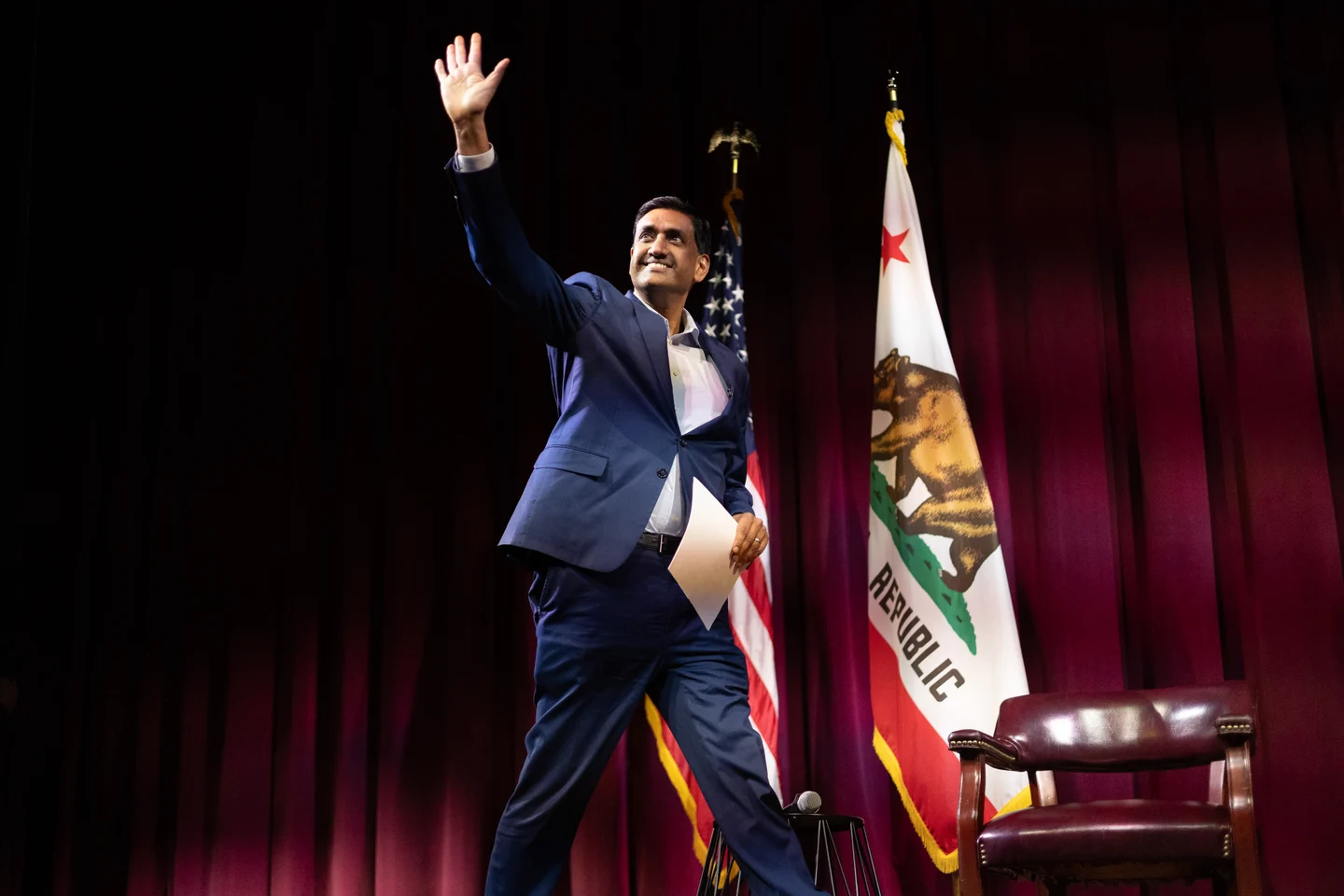
16 roll calls in 2 days — Khanna Nay on PROTECT Kids Act, Veterans 2A, Veterans Benefits Expansion; Smithsonian Women's History Museum bill fails; 6 bipartisan bills pass unanimously.

| Date | Bill | Khanna | Final tally | Outcome |
|---|---|---|---|---|
| May 20 | H.R. 6644 (21st Century ROAD to Housing Act, Senate amendment concurrence) | Yea | 396–13 | Passed |
| May 20 | H.R. 2616 (PROTECT Kids Act) — Motion to Recommit | Yea | 207–208 | MTR failed |
| May 20 | H.R. 2616 (PROTECT Kids Act) — On Passage | Nay | 217–198 | Passed |
| May 20 | H.R. 1993 (9/11 Commemorative Coin Act) | Yea | 415–0 | Passed |
| May 20 | S. 1003 (Lulu's Law) | Yea | 401–6 | Passed |
| May 20 | S. 2393 (FY2025 VA Major Medical Facility Authorization Act) | Yea | 405–5 | Passed |
| May 20 | H.R. 5317 (Community Bank Deposit Access Act) | Yea | 393–16 | Passed |
| May 20 | H.R. 4544 (American Access to Banking Act) | Yea | 405–4 | Passed |
| May 20 | H.R. 3234 (Keeping Deposits Local Act) | Yea | 405–0 | Passed |
| May 20 | H.Res. 1300 — Rule (Previous Question) | Nay | 209–207 | Rule passed |
| May 20 | H.Res. 1300 — Rule (Agree to Resolution) | Nay | 208–207 | Rule passed |
| May 21 | H.R. 1329 (Smithsonian Women's History Museum Act) — Motion to Recommit | Yea | 209–209 (tied) | MTR failed |
| May 21 | H.R. 1329 (Smithsonian Women's History Museum Act) — On Passage | Nay | 204–216 | Failed |
| May 21 | H.R. 1041 (Veterans 2nd Amendment Protection Act) — Motion to Recommit | Yea | 208–210 | MTR failed |
| May 21 | H.R. 1041 (Veterans 2nd Amendment Protection Act) — On Passage | Nay | 216–201 | Passed |
| May 21 | H.R. 6047 (Veterans Benefits Expansion Act) — On Passage | Nay | 235–179 | Passed |
| Group | Effect |
|---|---|
| California voters | Mixed. California state law already extends significant protections to LGBTQ+ students and restricts parental notification in some circumstances. If enacted, the federal law would create a funding conflict with existing California policies, potentially forcing school districts to choose between federal funding and compliance with state law. |
| Tech workers | Neutral. No direct impact on employment or workplace conditions. |
| AI founders | Neutral. |
| Healthcare recipients | Neutral. |
| Immigrants | Neutral. |
| Group | Effect |
|---|---|
| California voters | Symbolic. The bill's failure means no federally authorized museum for women's history on the Mall in the near term. California is home to the largest congressional delegation; California women's organizations and museums that might have partnered with the institution see no direct policy impact. |
| Tech workers | Neutral. |
| AI founders | Neutral. |
| Healthcare recipients | Neutral. |
| Immigrants | Neutral. |
| Group | Effect |
|---|---|
| Healthcare recipients | Mixed. Veterans with fiduciaries typically have serious mental health conditions — the population at the center of the bill's debate. Proponents say the existing NICS reporting wrongly strips Second Amendment rights from disabled veterans who pose no threat. Opponents say the reporting is a firearm suicide-prevention tool for a high-risk population. The bill's passage removes that check; net effect on healthcare recipients depends on which risk — lost rights vs. suicide risk — is weighted more heavily. |
| California voters | Mixed. California has the largest veteran population of any state and its own firearms regulations. The federal change in NICS reporting could conflict with California's background check supplemental data practices. |
| Tech workers | Neutral. |
| AI founders | Neutral. |
| Immigrants | Neutral. |
| Group | Effect |
|---|---|
| Healthcare recipients | Mixed. Veterans with service-connected disabilities would gain a new supplemental allowance under the bill — a direct benefit. However, the Democratic counter-argument is that the offsetting cut to VA mortgage subsidies reduces a separate housing benefit for veterans purchasing homes, shifting money from one veteran cohort to another rather than adding net new resources. The actual tradeoff depends on which veterans each individual reader falls into. |
| California voters | Mixed — same tradeoff as above. California has roughly 1.6 million veterans; both the disability supplement and the mortgage subsidy affect California veterans' economic security in opposite directions. |
| Tech workers | Neutral. |
| AI founders | Neutral. |
| Immigrants | Neutral. |
| Group | Bills with direct effect | Net direction |
|---|---|---|
| Tech workers | H.R. 5317 / H.R. 4544 / H.R. 3234 (community banking — mild positive) | Mild positive |
| Immigrants | H.R. 2616 (neutral); reconciliation watch (strongly negative pending) | Neutral this week; watch reconciliation |
| Healthcare recipients | S. 2393 ($1.77B VA Medical Center — positive); H.R. 1041 (firearms/mental health tradeoff); H.R. 6047 (disability benefit vs. mortgage subsidy tradeoff) | Mixed |
| California voters | H.R. 6644 (housing supply — mild positive); H.R. 2616 (state law conflict risk); H.R. 6047 (veteran benefit tradeoff) | Mixed |
| AI founders | H.R. 4544 / H.R. 3234 (banking access — mild positive); biotech workforce bill (indirect) | Mild positive |
Detailed roll-call breakdown and floor debate summaries for all House votes during the week of May 20–21, 2026, including HR2616, HR1041, HR6047, and HR1329.
Requires federal financial regulators to streamline the application process for forming de novo depository institutions and credit unions. Passed 405–4 on May 20, 2026.
Joint press release announcing the Federal Biotechnology Workforce Assessment Act, introduced May 21, 2026. The bill directs OPM to coordinate with federal agencies on biotech workforce needs.
이 콘텐츠를 둘러싼 관점이나 맥락을 계속 보강해 보세요.