1/4

3 New PubMed Papers: Plant Protein, Pilates & Probiotics for Sleep
Today's three PubMed picks: a crossover RCT showing a 4-week flexitarian diet reshapes gut microbiota and tryptophan metabolism; a 13-week Pilates RCT significantly cutting blood pressure in hypertensive women; and a double-blind probiotic trial improving polysomnography-confirmed sleep efficiency in adults with sleep disturbance.
2026. 5. 28. · 05:42
갤러리
Daily PubMed Digest — May 27, 2025
Three new papers from PubMed, one each from nutrition, exercise science, and sleep research. Each card: core finding, sample size, actionable takeaway.
🥦 Nutrition
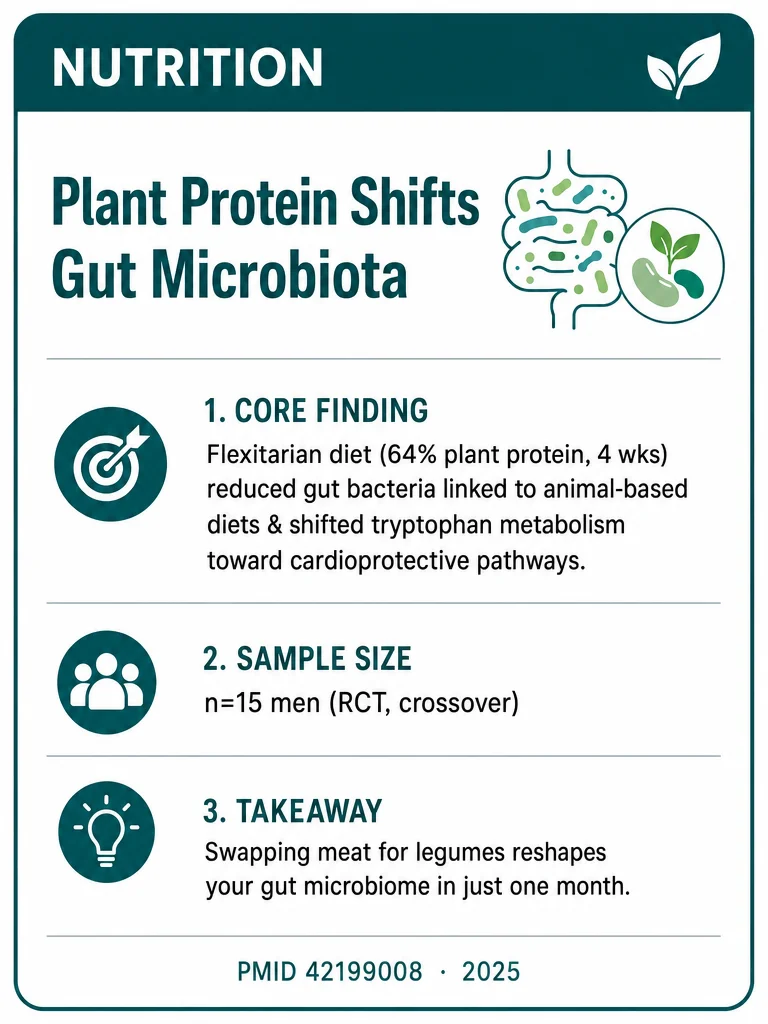
Plant protein diet reshapes gut microbiota and tryptophan metabolism
A 4-week crossover RCT put 15 men with elevated cardiometabolic risk on a flexitarian diet (64% plant protein, mostly from legumes) versus an animal-based control diet. The plant-heavy diet reduced gut bacteria associated with animal-based eating (e.g., Alistipes putredinis) and shifted tryptophan processing away from indole production toward kynurenine and indole propionic acid pathways — both linked to better cardiometabolic outcomes.
- Sample size: n=15 men (crossover RCT, NCT04236518)
- Takeaway: Swapping animal protein for legumes for just one month measurably changes how your gut microbiome operates, including pathways tied to heart and metabolic health.
🏋️ Exercise Science
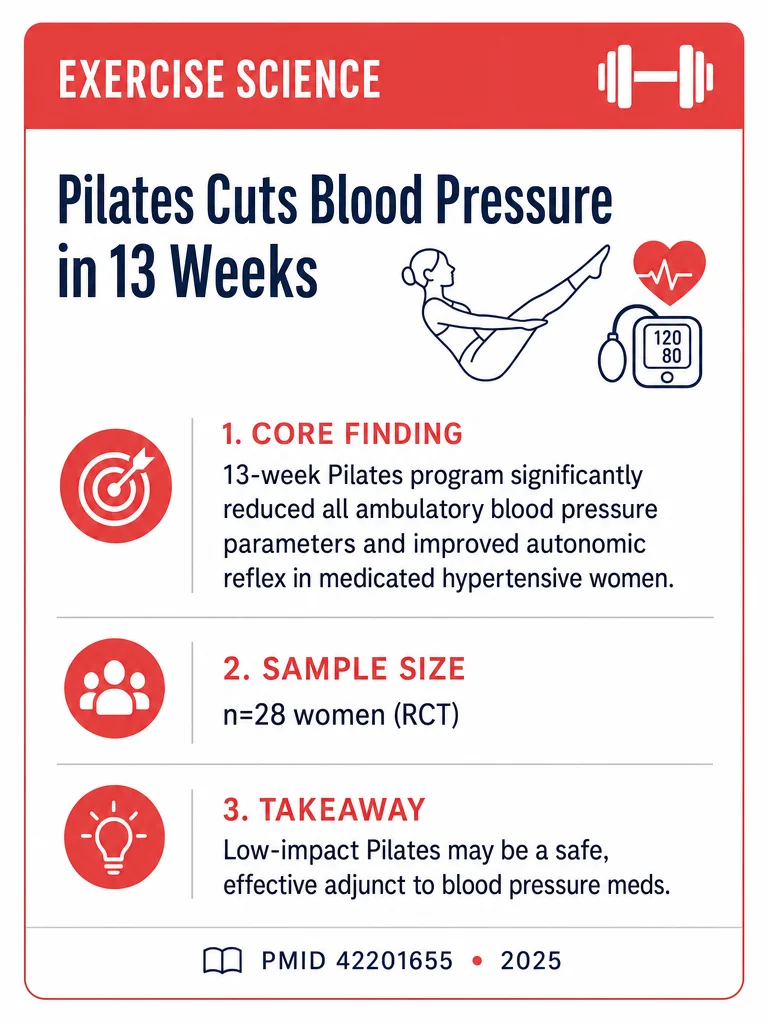
13 weeks of Pilates cuts ambulatory blood pressure in women with hypertension
A randomized trial in 28 pharmacologically treated women with hypertension tested whether a 13-week combined mat-and-apparatus Pilates program could improve blood pressure beyond medication alone. It did: all ambulatory blood pressure parameters dropped significantly in the Pilates group, and deep-breathing autonomic reflex responses improved — a marker of better cardiovascular regulation.
- Sample size: n=28 women (RCT, 13 weeks)
- Takeaway: Low-to-moderate Pilates is a safe, practical add-on to blood pressure medication, not just a flexibility exercise.
🌙 Sleep Research
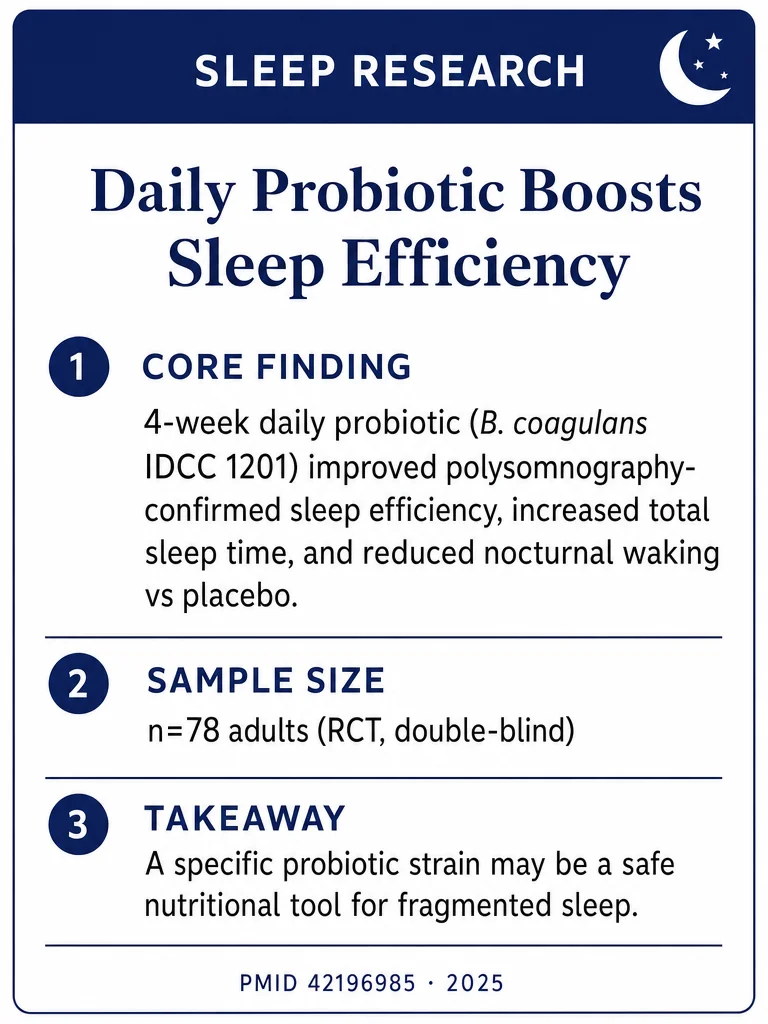
A specific probiotic strain improves sleep continuity confirmed by polysomnography
In a 4-week double-blind, placebo-controlled RCT, 78 adults with sleep disturbance took either 5×10⁹ CFU/day of Bacillus coagulans IDCC 1201 or placebo. The probiotic group showed objectively better sleep efficiency on polysomnography (the gold-standard overnight sleep lab test), spent more time asleep, woke less during the night, and reported improved subjective sleep quality. No safety signals emerged.
- Sample size: n=78 adults (RCT, double-blind, placebo-controlled)
- Takeaway: If fragmented, unreliable sleep is the issue, this strain-specific probiotic has polysomnography-level evidence behind it — not just self-report.
댓글