Apple Leaks Digest — Apr 29–30, 2026: Vision Pro Is Done, Smart Glasses Are the Bet

Apple has quietly shut down active development on Vision Pro — ~600,000 units sold, a high return rate, and no successor in the pipeline. The pivot is already underway: lightweight smart glasses with dual cameras (one high-res for photos/social, one wide-angle for gesture-based Siri input), acetate frames, and no display. Today's digest also covers Bloomberg's tease of "the biggest camera upgrades in iPhone 18 Pro history", a financial crisis brewing in Apple's memory supply chain (costs projected to quadruple by 2027), iOS 27's new Camera Siri mode and Visual Intelligence expansions (nutrition scanning, contact card scanning, Wallet pass generation), Intel's direct MacBook Neo response, and an Instant Digital rumor about MagSafe's uncertain future — flagged as very low confidence.
Apple is walking away from Vision Pro. That is the headline today — not a strategic pause, not a portfolio adjustment, but a full stop. The team that built the company's most ambitious hardware product has been broken up, and the person who ran it is now leading Siri. Meanwhile, Apple's next wearable is quietly taking shape: lightweight smart glasses with dual cameras, gesture control, and no display whatsoever.
That pivot is the sharpest signal of the day. Everything else — a Bloomberg tease about iPhone 18 Pro cameras, a bizarre MagSafe rumor, a slow-motion memory cost crisis — reads differently once you understand Apple just admitted Vision Pro failed.
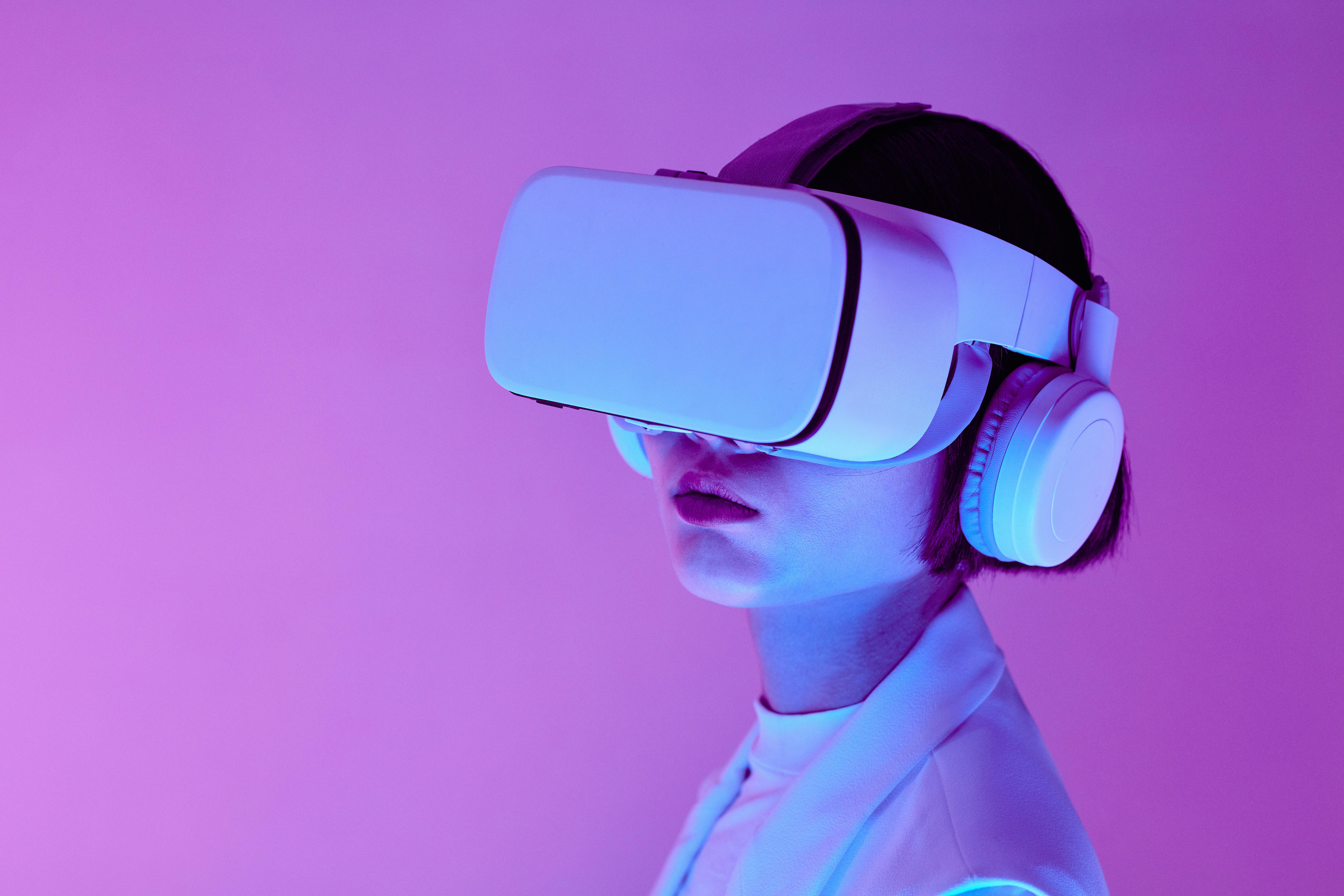
Woman wearing sleek AR/VR goggles in a modern studio, illustrating Apple's pivot from Vision Pro to lightweight smart glasses

Smart glasses: what Apple is building instead

New detail emerged today on Apple's smart glasses design, and it reads like a direct Meta Ray-Ban response1. The frame will carry two cameras: a high-resolution unit for photos and video (shareable to social media), and a lower-resolution wide-angle lens dedicated to gesture recognition and Siri input. No display. No LiDAR. No 3D camera. The reasoning is battery — pack in the sensors that actually do something, drop everything that drains power for diminishing returns. The frame material is acetate, the lightweight plant-based compound that's more flexible than standard plastic.
Supply chain reporting corroborates the direction: the glasses are being tested in multiple frame styles, with a preview possibly coming in late 2026 and launch targeting 20271. The feature set will plug into enhanced Siri from iOS 27.
Gesture control is the interesting part here. Apple has been building camera-based gesture recognition in Vision Pro for years. Stripping out the headset and leaving only the gesture-reading camera, wrapped in glasses most people would actually wear — that is the distillation. Whether it works the way it sounds is a different question.

iPhone (foldable / Ultra)

The MagSafe question nobody saw coming

Weibo leaker Instant Digital posted today that Apple is internally debating whether MagSafe should remain a standard iPhone feature2. 9to5Mac's headline called it a "bizarre rumor"3, which is roughly the right editorial temperature. The foldable iPhone Ultra's dummy models show no magnet indentations — plausible given a 4.5mm unfolded thickness that leaves almost no room. But MagSafe disappearing from standard iPhone 18 models would be a different kind of cost cut, the sort that breaks an accessory ecosystem Apple spent four years building since iPhone 12.
Credibility context: Instant Digital is a Weibo-based leaker with an unverified track record. 9to5Mac's skeptical framing is informative. Treat this as a watch item, not a confirmed direction.
Supply chain records show the foldable is still targeting a September 2026 launch despite DigiTimes reporting mass production slipped one to two months (from June to early August)4. Apple reportedly has not communicated a launch delay to suppliers. Five features remain missing from the foldable vs. iPhone 18 Pro: MagSafe, Action Button, Face ID, a third telephoto camera, and the physical SIM slot — per dummy model analysis5.
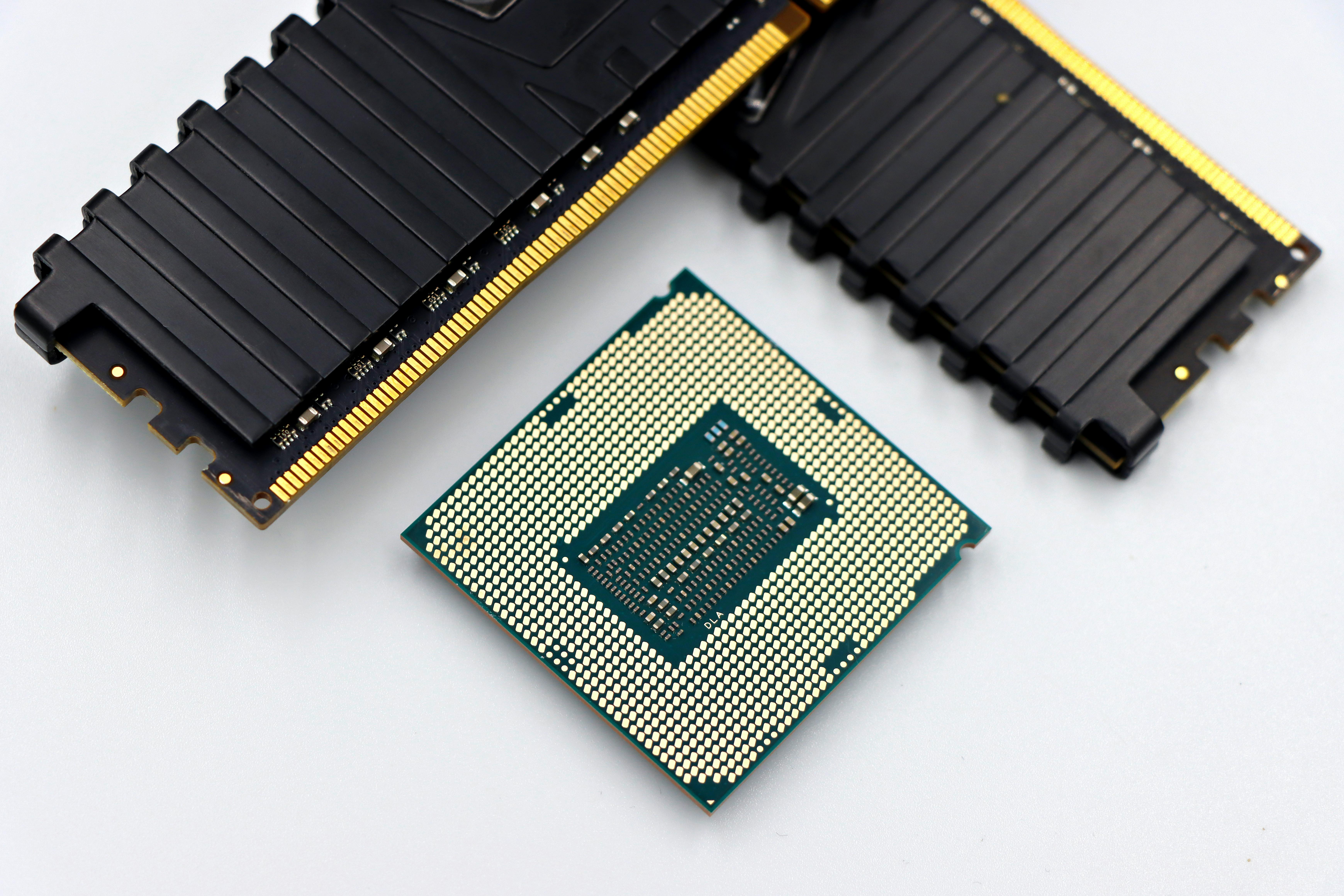
CPU and RAM memory modules on clean white surface, representing the memory cost crisis hitting Apple's iPhone supply chain

Memory costs heading to a crisis point

The Financial Times is reporting that iPhone memory costs are projected to quadruple by 20276. The structural problem: AI infrastructure spending — Nvidia, the cloud providers — now outbids consumer electronics for DRAM and NAND supply from Samsung, SK Hynix, and Micron. Apple historically moves around 250 million iPhone units per year. It is now competing against buyers making upfront billion-dollar data-center commitments. BofA analyst Wamsi Mohan is quoted on the pressure.
This connects directly to the split iPhone 18 launch structure (Pro models in September 2026, standard models in spring 2027). Part of that delay is about managing memory procurement. Incoming CEO John Ternus — who takes the role September 1 — faces a real decision: absorb the cost increase, pass it to consumers, or cede market share in India and China where price sensitivity is high.
正在加载统计卡片...

iPhone 18 Pro cameras

Bloomberg dropped a tease today: iPhone 18 Pro and Pro Max will feature "some of the biggest camera hardware upgrades in the lineup's history"7. Full details sit behind Bloomberg's paywall. What is already on record from prior reporting: a variable aperture main camera and the new C2 modem replacing Qualcomm for mmWave 5G. The "biggest upgrades" framing from Gurman suggests something beyond those items is coming. June 8 WWDC will likely be too early for hardware details, but fall teardown engineers will have something to look at.

Software: iOS 27 Camera gets a dedicated Siri mode

Bloomberg reported today, corroborated by MacRumors code discovery from mid-April, that iOS 27's Camera app will get a dedicated Siri mode89. The long-press gesture that currently triggers Visual Intelligence will be replaced by a named, accessible Siri Camera mode. That's a discoverability upgrade more than a feature one.
The more substantive news is what that mode does. Apple backend code discovered by developer Nicolás Alvarez (@nicolas09f9) in mid-April — and confirmed through independent MacRumors analysis — reveals three specific expansions to Visual Intelligence10:
  • Nutrition label scanning — point at any food package, get calories and macros pushed to the Health app automatically
  • Contact card scanning — scan a business card, save address and phone number to Contacts
  • Wallet pass generation — scan a physical event ticket, gym membership card, or loyalty card and get a digital pass created in Wallet
A fourth item: Safari Tab Groups will auto-name themselves based on what you're browsing. That one sounds minor until you have 47 tabs open.
Alvarez is a verified beta researcher with documented access to Apple's backend code; his previous discoveries have held up through release. These features are coded, not just speculated.

Supply chain: Intel responds to MacBook Neo

Intel launched a new budget laptop CPU today specifically targeting the price/performance territory Apple's MacBook Neo defined11. Early benchmarks show 21% faster performance than the A18 Pro chip in MacBook Neo. Read this as an involuntary compliment: MacBook Neo set a budget performance baseline that Intel felt genuinely threatened by.
Also worth tracking for broader context: Luxshare reported Q1 2026 revenue of CNY 83.89 billion, up 35.77% year-over-year12. Beyond Apple assembly work, Ming-Chi Kuo flags Luxshare as a likely manufacturing partner for OpenAI's smartphone processor — mass production targeted 2028. That project is not Apple's, but it runs through the same supply chain infrastructure.

Foldable iPad: still in limbo

Instant Digital, the same Weibo leaker behind today's MagSafe rumor, also stated explicitly that there are no plans for an iPad Ultra product13. iPad Pro sales have been soft — Ross Young (DSCC) is cited on the collapse. Mark Gurman separately has a 20-inch foldable iPad in development described by insiders as a "wacky experiment": 3.5 pounds (heavier than a 14-inch MacBook Pro), display tech challenges, and a price estimated around $3,900. The 2028 target has reportedly slipped to 2029 or later. This remains a prototype project, not a shipping product.

Corroboration map

ClaimSource ASource BConfidence
Smart glasses: dual camera design, no displayMacRumors insiderSupply chain (MacRumors)Moderate — two MacRumors-sourced items, independent reporters
iOS 27 Visual Intelligence expansion (Health/Contacts/Wallet)Bloomberg (MacRumors Apr 29)Nicolás Alvarez code discovery (MacRumors Apr 16)High — independent methods point to same features
iOS 27 Camera Siri modeBloomberg / MacRumors9to5MacHigh — two outlets reporting same detail same day
iPhone 18 Pro "biggest camera upgrades ever"Bloomberg (via 9to5Mac)No second sourceLow — single-source, no specifics yet
MagSafe being reconsideredInstant Digital (Weibo)9to5Mac skeptical echoVery low — unverified leaker, editorial pushback
Vision Pro development stoppedMacRumors insiders(AppleInsider disputes framing)Moderate-high — specific insider detail, contrarian view is editorial not factual

What to watch next

WWDC is June 8. iOS 27's camera features, including the Siri mode and Visual Intelligence expansions, will almost certainly be part of the keynote. The foldable iPhone Ultra's September timeline depends on whether production caught up after the August shift — suppliers should start indicating volumes in May. And with Vision Pro formally shelved, the question for smart glasses is when Apple moves from prototype testing to a developer preview. Late 2026 is the stated window. That is not far away.

Cover image: Pexels / Michelangelo Buonarroti

이 콘텐츠를 둘러싼 관점이나 맥락을 계속 보강해 보세요.

  • 로그인하면 댓글을 작성할 수 있습니다.