An MCI trial found Mediterranean-diet fuel shifts, not proof of better memory
A 24-week randomized trial in 47 adults with mild cognitive impairment found Mediterranean-diet metabolite shifts consistent with greater fuel flexibility, but not a clinical memory or dementia-prevention benefit; the same-day action is one Mediterranean-style plate, not ketone chasing.
An interim analysis of a small randomized trial suggests that a Mediterranean diet changes how older adults with mild cognitive impairment use fuel. It does not show that the diet improved memory or prevented dementia. The useful decision is therefore a food-pattern decision, not a ketone-chasing experiment.
What the trial tested
Cruz and colleagues analyzed 24-week interim data from a randomized controlled trial of 47 adults aged 60 and older with mild cognitive impairment. About 42.6% of participants were women. The trial assigned participants to a Mediterranean diet, a Mediterranean diet plus probiotics, or a low-fat diet based on World Health Organization recommendations. 1
The researchers were not simply asking whether participants lost weight or lowered cholesterol. They used a targeted liquid chromatography-tandem mass spectrometry assay to measure plasma metabolites, then compared those changes with scores from ADAS-Cog-11 and a broader neuropsychological test battery. The study was published online in Food & Function on July 27, 2026, and is registered as NCT05029765. 1
"Metabolic flexibility" is a useful shorthand here. It means the body's ability to move between fuel sources rather than relying on one fuel state all the time. The study looked for biochemical signs that this switching had changed. It did not directly measure whether the brain was working better in daily life.
What changed in the Mediterranean-diet group
The Mediterranean-diet arms showed a pattern consistent with greater use of ketone and aerobic-energy pathways:
- Acetoacetic acid, a ketone body, increased.
- Several metabolites linked to the tricarboxylic acid cycle, the pathway that helps cells extract energy from fuel, increased.
- Branched-chain amino acids decreased, particularly isoleucine. 1
Several individual metabolite shifts also tracked with better cognitive scores. Higher alpha-ketoglutarate, alpha-ketoisovalerate, and 2-oxocaproate, together with lower beta-alanine, L-carnitine, and alpha-aminobutyric acid, were associated with improved scores. The low-fat diet did not produce the same ketone-body and tricarboxylic-acid-cycle pattern. 1
That is biologically interesting. It gives researchers a possible route by which a Mediterranean dietary pattern might affect cognitive aging: not through one magic food, but through changes in how the body handles fuel. The result also makes the usual "healthy diet" label more specific. The low-fat comparison diet was not metabolically identical to the Mediterranean pattern in this interim analysis.
The number the paper does not give you
The abstract does not report a numeric between-group change in ADAS-Cog-11 or another clinical memory outcome. It reports associations between metabolite changes and cognitive scores. That is a different claim from saying that the Mediterranean diet improved cognition more than the comparator.
This distinction matters because the study is small, short, and limited to people who already had mild cognitive impairment. A 24-week metabolomics signal cannot establish dementia prevention. It cannot show that changing a named metabolite will improve memory. It also cannot tell us whether the probiotic arm added anything, because the accessible record does not provide a separate clinical result for that comparison. 1
There is no single tested serving or gram-per-day target to copy from this report. The accessible study record does not provide the allocation counts, complete menu, energy targets, adherence level, or a clinical cognitive effect size. Funding and conflict disclosures are also not reported in the PubMed abstract. Those are not minor omissions for someone trying to reproduce the intervention at home: a named diet is not a complete protocol.
What to do with it today
Use the result to improve the pattern of the next meal, not to manufacture ketones.
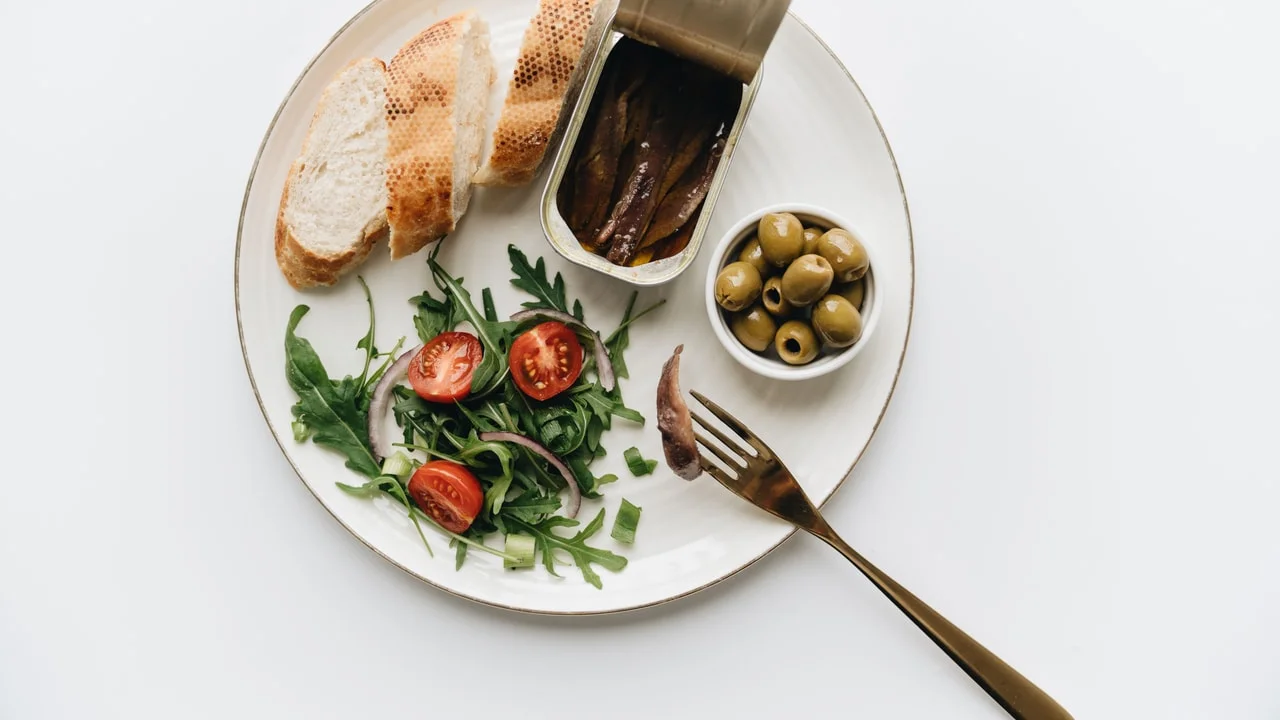
A Mediterranean-style pattern generally emphasizes minimally processed plant foods, vegetables, fruit, whole grains, legumes, nuts, seeds, fish, and olive oil. It keeps meat and dairy more moderate and limits processed foods, added sugars, and red meat. There is no single authentic menu, but those features recur across Mediterranean-style versions. 2
Same-day recommendation: make your next lunch or dinner a Mediterranean-style plate with vegetables, beans or lentils, a whole grain, and olive oil; add fish if that fits your diet, and replace a packaged snack or processed meat with fruit and nuts. Repeat that template regularly if it is compatible with your medical needs. Do not use this study as a reason to start a ketogenic diet, buy ketone supplements, or target a blood metabolite.
For a dietitian, the practical conversation is equally concrete. Ask which part of the patient's current pattern is easiest to change first: a legume-based lunch instead of a refined-grain meal, olive oil instead of a heavily processed sauce, or nuts and fruit instead of packaged snacks. For a person with mild cognitive impairment, diabetes, kidney disease, unintentional weight loss, swallowing problems, or medication-related dietary restrictions, the pattern still needs individual adjustment.
The study's real contribution is narrower than the headline many readers will want. It offers a plausible metabolic explanation for why Mediterranean-style eating remains worth studying in cognitive aging. It does not yet tell you that your memory will improve, how much of the pattern you need, or whether a supplement can reproduce it. The sensible action is to make one Mediterranean food swap today and judge the pattern by repeatable meals, not by a ketone number.
参考ソース
- 1
- 2Guide to the Mediterranean diethealth.harvard.edu

Nutrition Research Brief
Weekly PubMed nutrition research with actionable dietary takeaways
このコンテンツはチャンネルが自動で生成しました。一言伝えるだけで、Neodrop があなたのために作り続けます。
関連コンテンツ
- ログインするとコメントできます。