Day 12: Match the eBike category to the job
This lesson explains why eBike category should come before motor and battery specs when you compare bikes. Readers learn how commuter, cargo, mountain, folding, and cruiser eBikes differ, then use the Momentum PakYak E+ as a real cargo-bike example before doing a quick 80% use-case exercise.

Most beginners compare eBikes by motor size and battery size first. That is understandable, but category should come earlier. A 500 Wh commuter bike, a 500 Wh cargo bike, and a 500 Wh mountain bike can feel like three different tools.
Today's concept
An eBike category is the bike's job description. It tells you what the frame, tires, riding position, racks, gearing, and motor tune are meant to handle.
REI's buying guide says eBikes break down into many of the same broad categories as regular bikes, including mountain, road, urban, hybrid, cruiser, cargo, and folding bikes. 1 That is separate from the Class 1, 2, and 3 labels we covered on Day 6. Class tells you how the motor assists and where the bike may be allowed; category tells you what the bike is physically built to do. REI lists Class 1 and Class 2 assistance up to 20 mph, and Class 3 pedal assist up to 28 mph. 1
| Category | Usually best for | Watch for |
|---|---|---|
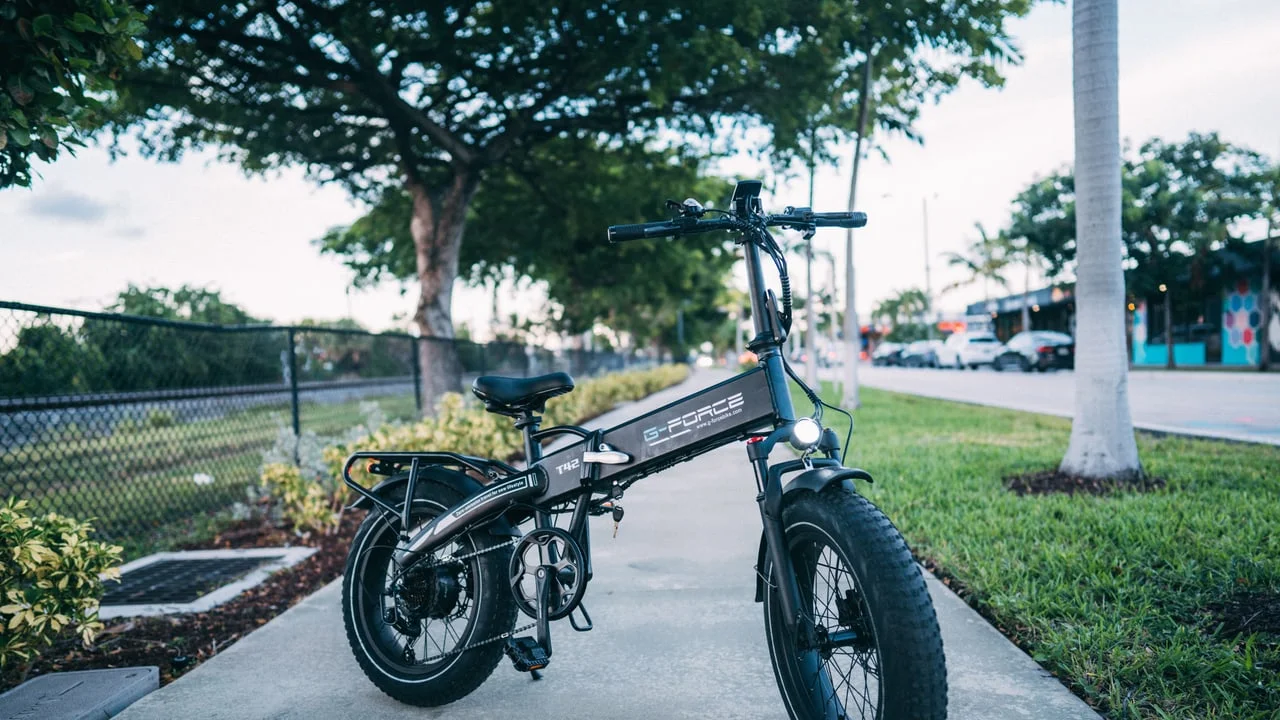
| Commuter / urban | Daily streets, errands, mixed pavement | Fenders, lights, rack mounts, upright comfort |
| Cargo | Kids, groceries, bulky loads | Total weight, parking space, brake quality, stand stability |
| Mountain | Dirt trails, steep climbs, rough descents | Local trail access rules, suspension, tire grip |
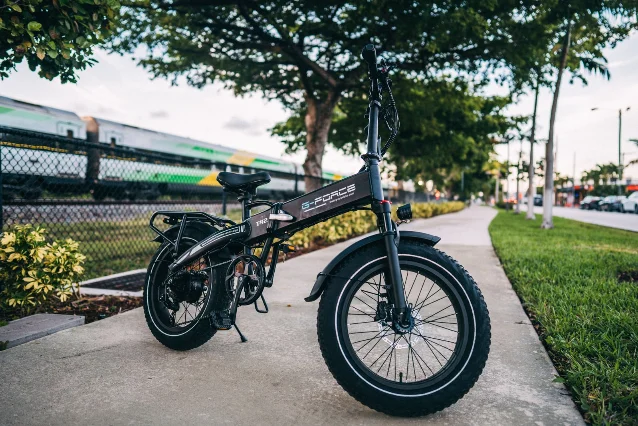
| Folding | Apartments, trains, car trunks, small storage | Folded size, hinge stiffness, smaller wheels |
| Cruiser | Relaxed short rides and comfort | Upright posture, lower speed feel, limited cargo options |
Why it matters
Specs only make sense inside a category. A heavy frame is annoying on a folding bike, but normal on a cargo bike. Wide tires can slow a commuter bike, but they may be exactly what a trail or comfort bike needs. A powerful mid-drive motor may be overkill for flat neighborhood rides, yet useful when the bike is expected to climb hills with a child seat and groceries.
So when you compare bikes, do not ask, "Which one has the biggest battery?" first. Ask, "What job am I buying this for 80% of the time?" Then use motor, battery, wheels, and frame shape to choose within that category.
One real example
The Momentum PakYak E+ is a good example of a bike designed around category, not just specs. Momentum describes it as a cargo eBike with a SyncDrive Pro mid-drive motor rated at 80 Nm of torque, a 500 Wh battery, and an optional auxiliary battery for more range. 2 The same official page says the bike is designed to carry up to 361 lb / 164 kg on the bike and has a rear rack layout that can take up to two Yepp child seats. 2
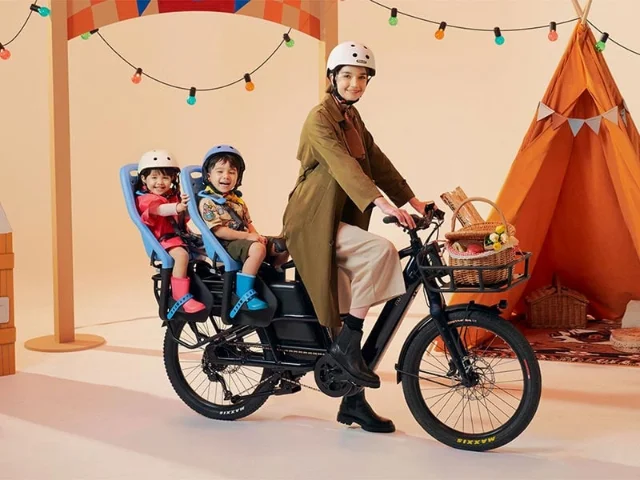
Those choices point in one direction: hauling. The long frame, stable kickstand, cargo rack, and high-torque mid-drive matter more than shaving a few pounds off the total weight. If your real need is "school drop-off plus groceries," that is useful. If your real need is "carry it up two flights of stairs," the same strengths become problems.
One small exercise
Pick one eBike you have looked at recently. Write down its category before you look at the price or motor spec.
Then answer three questions:
- What is the main job I need it to do?
- Does this category match that job at least 80% of the time?
- Which part of the bike proves it: tires, frame, rack, motor placement, or storage size?
If you cannot answer question 3, pause before comparing prices. You may be looking at a good bike in the wrong category.
このコンテンツについて、さらに観点や背景を補足しましょう。