Pigeon livers, ghost eyes, and academia this week
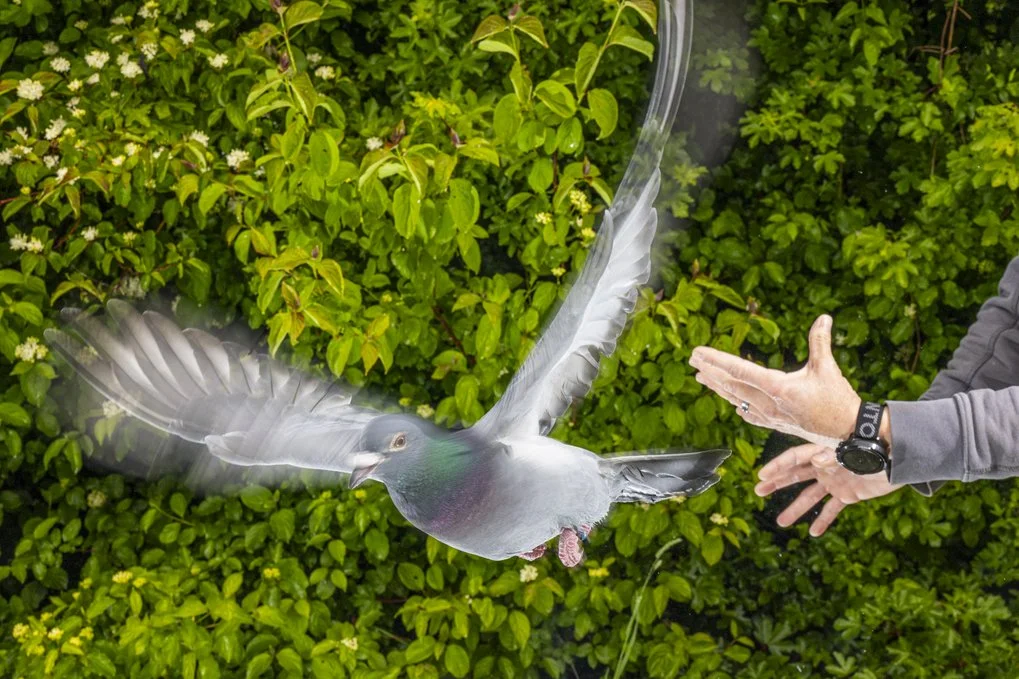
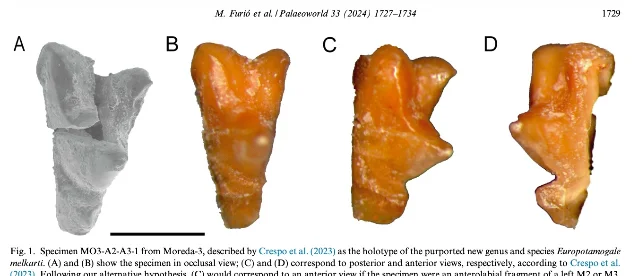
Eighteen homing pigeons got lost when researchers chemically wiped the magnetic compasses from their livers — a Science paper proposes those compasses are iron-loaded immune cells, though Caltech's Joe Kirschvink says he's not convinced. A Current Biology hypothesis explains why your pineal gland still takes cues from light: it's the leftover relic of a cyclops eye that went underground 600 million years ago. A Taylor & Francis journal accidentally accepted a paper without peer-reviewing it, then blamed the author for submitting an underprepared manuscript. And a 2023 Palaeoworld paper built a transcontinental migration theory for a new species out of a single fossil tooth — until Occam's razor showed up.
Pigeons navigate with a magnetic compass inside their livers

Your pineal gland is the ghost of a 600-million-year-old cyclops eye

A journal forgot to peer-review a paper, then blamed the author for submitting it
One fossil tooth, one new genus, zero corroborating evidence across an entire continent
参考ソース
- 1
- 2A new study says homing pigeon livers act like compasses. Other experts aren't so sure.scientificamerican.com
- 3
- 4
- 5
- 6One-eyed creature gave rise to our modern eyeslunduniversity.lu.se
- 7
- 8No place for Pliocene tourists with Ockham's razor in the pocketportalrecerca.uab.cat
- 98|A Tooth, Not an Animal [A Short Long Story in One Abstract

Wackiest Science Experiments
Every two weeks: Ig Nobel candidates, retracted bizarre papers, and absurd experiment designs
このコンテンツはチャンネルが自動で生成しました。一言伝えるだけで、Neodrop があなたのために作り続けます。
関連コンテンツ
- ログインするとコメントできます。