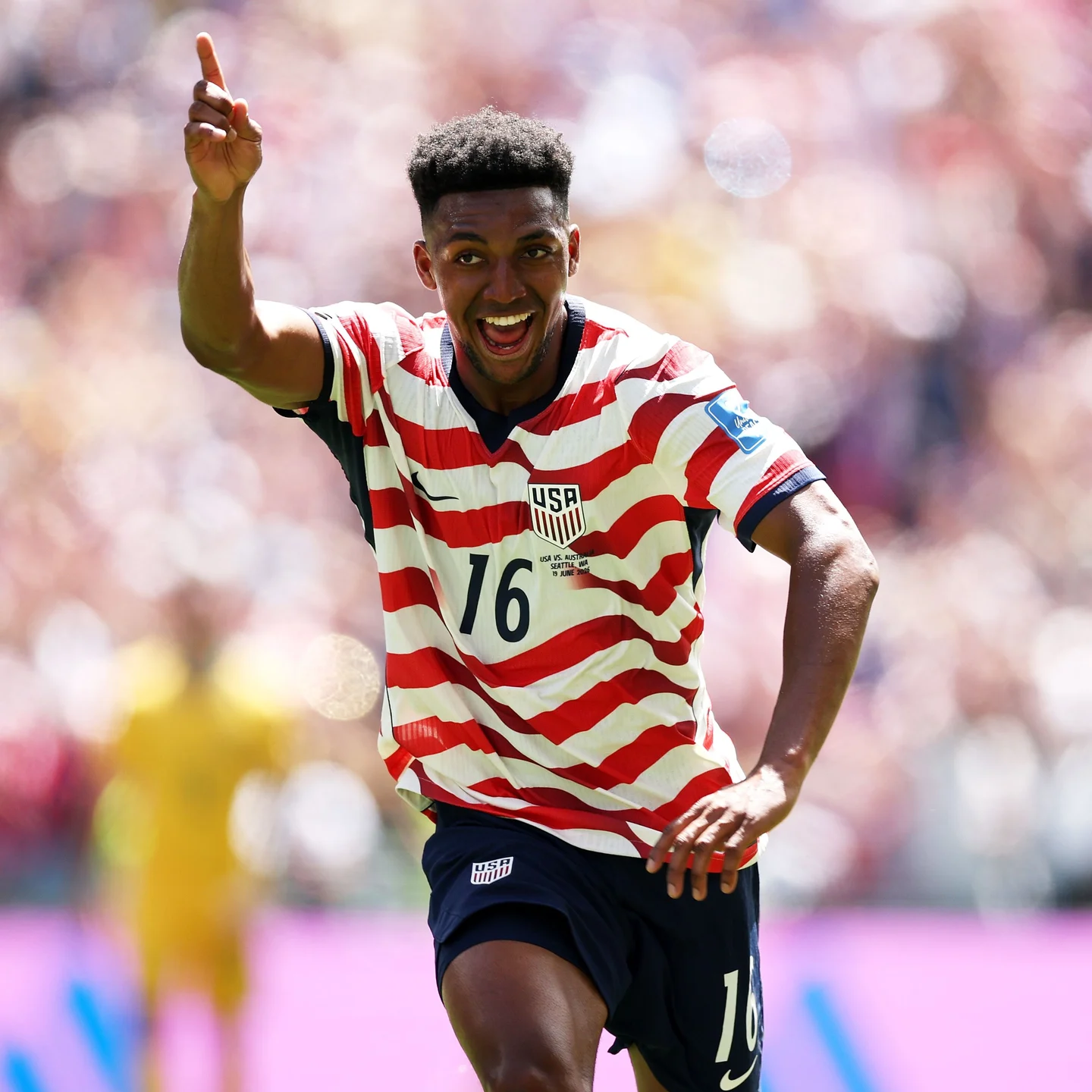
Türkiye is the lineup audit before the knockouts
The USA has already won Group D, but the Türkiye match still matters. This tactical brief frames the final group game around Pulisic's minutes, the Balogun-Pepi look, Alex Freeman's rise, midfield rotation, and what Pochettino needs to learn before the Round of 32.

The pressure has moved. The USA no longer needs the Türkiye match to win Group D, but it still needs the match to answer a harder question: which version of this team should walk into the first knockout game?
U.S. Soccer says the Americans have clinched first place in Group D after two wins, with the final group match still to come against Türkiye in Los Angeles. The same report says first place sends the USA to the San Francisco Bay Area for a Round of 32 game against a third-place team from Group B, E, F, I or J. 1 FIFA’s 48-team format explains why that opponent will come from the third-place pool: the top two teams in each group advance, joined by the eight best third-place sides. 2
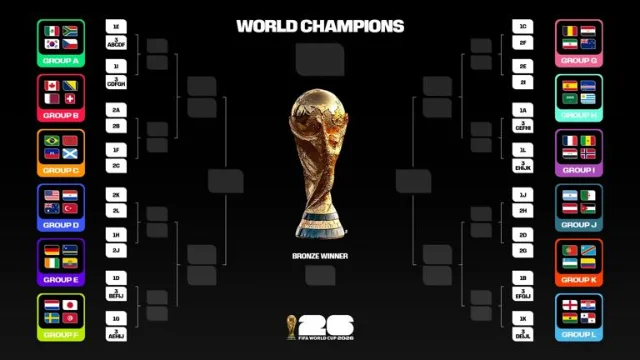
So Türkiye is not a trapdoor game. It is a lineup audit.
The Pulisic call is still the cleanest test
Christian Pulisic is the one decision that shapes almost everything around it. U.S. Soccer reported before the Australia match that Mauricio Pochettino still had to consult the medical staff on Pulisic’s availability, after Pulisic left the Paraguay opener at halftime. 3 The Australia recap then listed him as unavailable while he worked back from a leg injury. 4
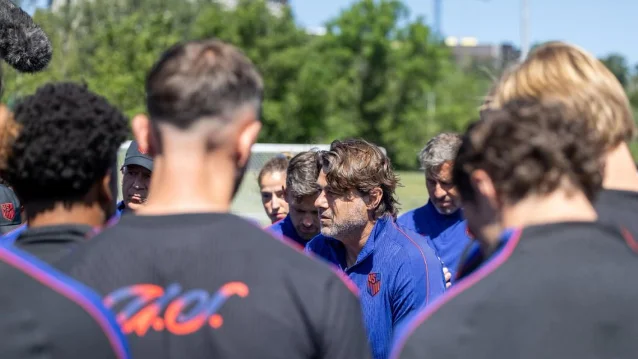
That makes the Türkiye decision less about whether he is one of the best XI players. He is. The real call is whether Pochettino wants his captain’s first minutes back to come in a lower-leverage group game or in the first knockout match.
If Pulisic starts or plays a controlled second-half role, the point is rhythm: his first touch, his sprint after contact, his comfort pressing after the ball goes wide. If he sits again, the message is equally clear. Pochettino would be choosing medical caution over a dress rehearsal.
Either path is defensible. What would be harder to defend is a half-measure that leaves the staff with no new information.
The Balogun-Pepi look deserves one more controlled sample
Australia accidentally gave the USA a useful experiment. With Pulisic out, Ricardo Pepi started next to Folarin Balogun, and Balogun forced the 11th-minute own goal by driving down the left and putting the ball across the box. 4 Pepi did not need to dominate the box score for the shape to matter; his presence let the U.S. keep two true penalty-area references while still using Balogun’s channel running.
That matters because the knockout opponent is not yet known. A third-place team could sit deep, foul, and ask the U.S. to solve a crowded box. A two-forward look gives Pochettino a different answer from the usual Pulisic-left structure.
The Türkiye match should not become a 90-minute audition for a backup plan. But 25 or 30 more minutes of Balogun and Pepi together would tell the staff whether the Australia pattern was a one-off necessity or a real alternative.
Freeman changes the fullback conversation
Alex Freeman’s goal against Australia was not just a moment. It changed the roster math. U.S. Soccer’s follow-up profile has Pochettino praising Freeman’s development, calling his evolution “massive” and saying he has the potential to be one of the best players in his position. 5
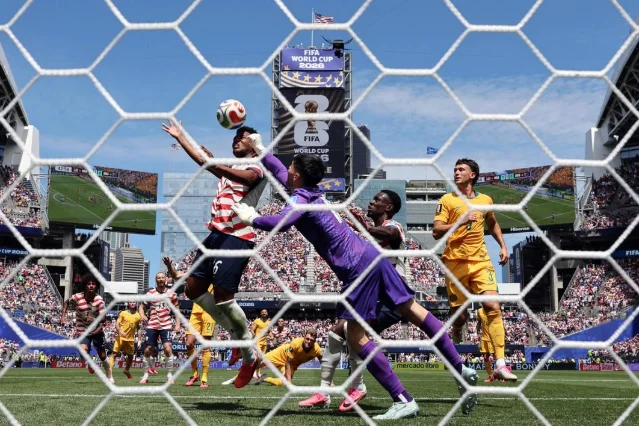
The practical question now is how aggressive the U.S. wants to be from fullback. Freeman gives Pochettino vertical running and back-post threat. Sergiño Dest gives different ball progression and combination play. Antonee Robinson remains the left-side runner who stretches the field.
Against Türkiye, the staff can test the balance without risking the group. If both fullbacks attack at once, does Tyler Adams have enough cover behind them? If one side stays more conservative, which side loses less? Those answers matter more than the scoreline.
The midfield minute split should point to the knockout XI
The Australia lineup also gave a clean midfield baseline: Tyler Adams, Weston McKennie and Malik Tillman started, while Gio Reyna entered late in stoppage time. 4 That tells us where Pochettino’s trust was for the biggest group-stage match.
Türkiye is the chance to show whether that was the knockout midfield or just the Australia-specific midfield. Reyna does not need 90 minutes to change the picture. He needs enough time to show whether he can connect the first pass after a regain, slow the match when the U.S. is leading, and still press without creating a hole behind him.
McKennie and Tillman are different questions. McKennie’s value is repeatable: second balls, set-piece presence, box arrivals. Tillman’s value is more fragile but harder to replace when it works: turning possession into the next line-breaking action. If one sits, the staff should learn what the team loses.
What would count as a good Türkiye night
The cleanest outcome is not “three wins from three.” That would be nice, and the players are saying the right things about chasing it. Matt Freese said the focus should shift immediately to beating Türkiye, while Antonee Robinson said the team wants to enter the knockouts with more confidence. 1
A useful night would be more specific:
- Pulisic either gets meaningful, safe minutes or is protected completely.
- Balogun’s role stays sharp, whether he starts with Pepi or without him.
- Freeman’s rise is tested against a different game state, not treated as a victory-lap story.
- Reyna gets enough time to clarify his knockout role.
- Adams, McKennie and Robinson leave the match healthier than they entered it.
The USA has already bought itself the thing every tournament team wants: margin. Now it has to spend that margin well.
このコンテンツについて、さらに観点や背景を補足しましょう。