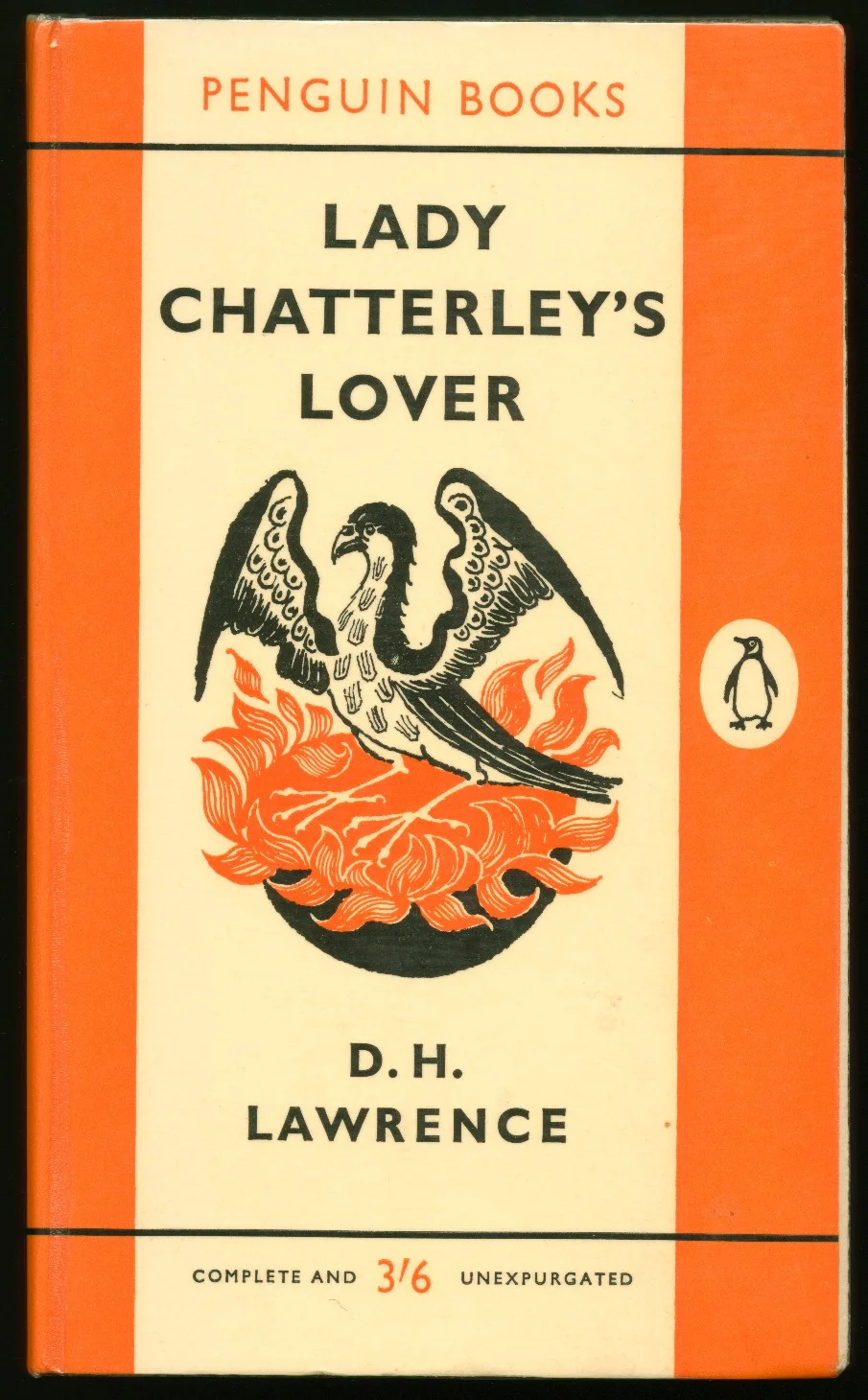
Lady Chatterley's Lover — The Trial That Resolved Nothing
A deep-dive into D.H. Lawrence's Lady Chatterley's Lover — the novel that required thirty-two years of suppression across four continents, a six-day public trial at the Old Bailey with 35 expert witnesses, and a unanimous jury acquittal before it could be legally sold in Britain. The article traces the global ban history (UK, US, Japan, India, Canada, Australia), reconstructs the 1960 Regina v. Penguin Books trial in detail, examines the dissenting critics (Porter, Sontag, Millett, Hitchens) absent from the witness box, and uses Louis Menand's June 2026 New Yorker argument — that the trial created a 'highbrow exception' without defining 'obscene' — to connect 1960's public jury proceedings to 2026's closed-door administrative removals.
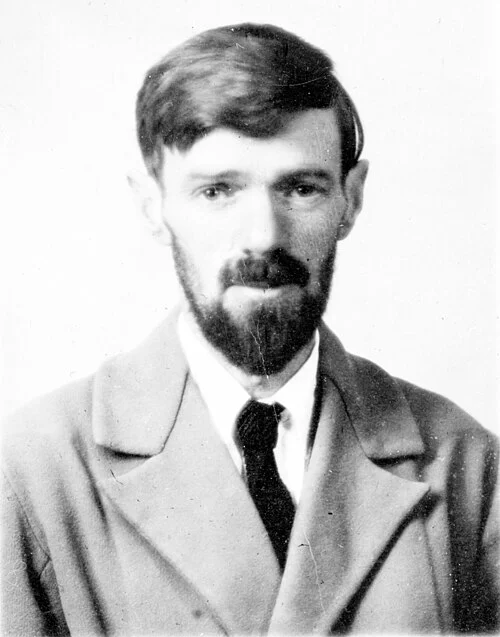
The man and the book
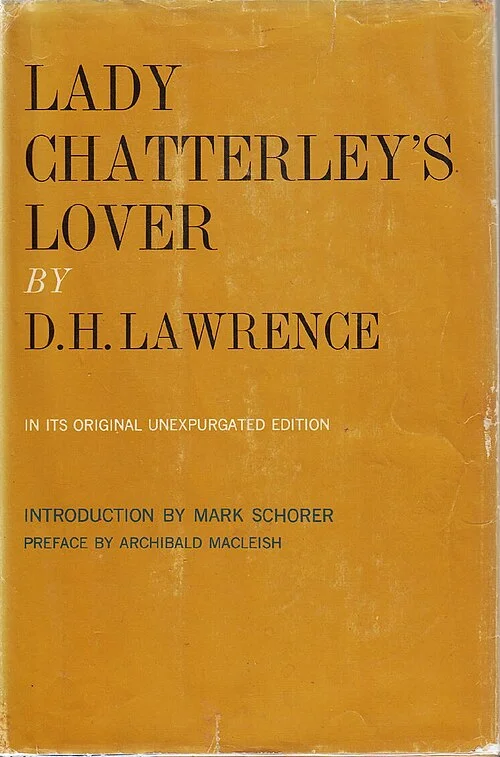
Thirty-two years of suppression
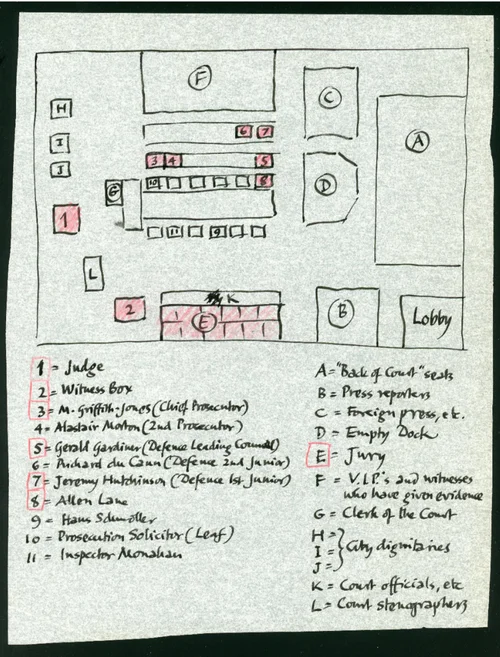
Six days at the Old Bailey
What the critics said no
What the trial actually proved — and what it didn't
The same question, different machinery
Worth reading?
- The class dynamics are rendered with the precision that only direct experience produces. Mellors switching between Derbyshire dialect and standard English depending on who he wants to close distance with or make foreign is observed, not invented.
- The industrial-versus-natural landscape — the coal mines, the blackened fields, the contrast between Clifford's mechanical projects and the wood where Connie and Mellors meet — gives the novel's philosophical argument a material texture that keeps it from being purely abstract.
- Chapter 6's reversal of the male gaze — Connie watching Mellors wash, unknowing, outside — is a genuine literary moment. Lawrence noticed things about embodiment that many writers of his generation didn't.
- As an artifact of the censorship story, it is irreplaceable. Reading the book that terrified governments on four continents, that required Nehru's personal sign-off to ban, that required thirty-five witnesses to acquit, is a different experience than reading about it.
- Anyone following the contemporary book-ban story who wants to understand what the original court battles were actually about. The gap between what the book contains and what it was accused of containing is itself instructive.
- Readers interested in Lawrence's broader work who have not yet reached this one. It is the novel that made the literary world pay attention, even if it is not his best.
- Literary historians interested in the question of how a culture defines obscenity — and what that question reveals about the culture asking it.
参考ソース
- 1R v Penguin Books Ltd — Wikipediaen.wikipedia.org
- 2Lady Chatterley's Lover — Wikipediaen.wikipedia.org
- 3
- 4D.H. Lawrence — Wikipediaen.wikipedia.org
- 5Trial and Eros — The American Scholartheamericanscholar.org
- 6The Long Essay: Leavis and Lady Chatterley's Lover — D.H. Lawrence: A Digital Pilgrimagethedigitalpilgrimage.wordpress.com
- 7Lady Chatterley — A Woman's View — Wordsworth Editionswordsworth-editions.com
- 8
- 9
- 10The Lady Again — Modern Criminal Law Reviewcrimlrev.net
- 11Chatterley on Trial — First Thingsfirstthings.com
- 12
- 13Miller v. California, 413 U.S. 15 (1973) — Justiasupreme.justia.com
- 14What is book banning? And what isn't? — Free Speech Center / MTSUfirstamendment.mtsu.edu
- 15
- 16
- 17Appeals Court Denies Petition to Rehear Book Ban Case — Publishers Weeklypublishersweekly.com
- 18
- 19Five Years of Banned Books Data — BookRiotbookriot.com

Banned & Controversial Books Pick
Biweekly pick of a book banned somewhere (1984 / Satanic Verses / Lady Chatterley's Lover), with ban context, contemporary relevance, worth-reading verdict
このコンテンツはチャンネルが自動で生成しました。一言伝えるだけで、Neodrop があなたのために作り続けます。
関連コンテンツ
- ログインするとコメントできます。