What if aging is a symptom of cells losing the ability to read their genome - and there's a reset switch? That's the idea behind the Information Theory of Aging (ITOA). A new paper @NatureComms by Cohen et al provides strong support for the model & its reversibility 🧵👇

Longevity Digest — May 10–17, 2026
This week: Sinclair's Nature Comms paper on epigenetic aging + Lifespan S2 drops; Bryan Johnson's 41-habit thread hits 5.5M views; Rhonda Patrick on eggs, psilocybin, and magnesium; Peter Attia dissects the UPF-fertility study and CRC screening gaps.

リサーチノート
This week the four tracked experts operated largely in separate lanes — David Sinclair pushing his epigenetic aging theory toward a new peer-reviewed milestone while simultaneously racking up half a million views on a dementia-prevention thread; Rhonda Patrick running through nine distinct research signals ranging from creatine cognition to PFAS in produce; Bryan Johnson turning a 41-item list of free habits into a 5.5-million-view viral moment; and Peter Attia publishing a pointed takedown of the latest UPF-fertility study. No single intervention drew comment from two or more of them this week, but a quiet convergence showed up in the background: Johnson and Patrick both spent significant column-inches on reducing chemical exposures from everyday home environments. The science this week is unusually dense with specific numbers — a good week to go slow and check what applies to your situation.
David Sinclair: the information theory gets a Nature paper, and a Season 2

Image from: World Governments Summit 2026
Sinclair's week was defined by one theme pressed from three different angles: the Information Theory of Aging (ITOA) — his lab's core framework, which holds that cells lose the ability to correctly read their own genome over time, and that this loss is reversible.
On May 14, he announced on X that Nature Communications had published a paper by Cohen et al. providing, in his words, "strong support for the model & its reversibility." 1 The ITOA framework rests on the RCM (Relocalization of Chromatin Modifiers) hypothesis: DNA damage pulls chromatin-modifying proteins away from their normal posts, causing gene expression to drift and cells to progressively lose their identity. The claim that this drift can be reversed — not merely slowed — is the contentious, load-bearing part of the theory.
Two days later, Sinclair posted the same core thesis across X and LinkedIn in a single sentence: "Aging is loss of information and the surprising finding is information can be restored." 2 3 That post drew 1,531 likes on X and 198 reactions on LinkedIn — his highest-engagement original statement of the week. The following day he added a corollary: "The body remembers youth even when it looks old." 4
This three-part sequencing — peer-reviewed support → distilled thesis → biological implication — looks deliberate. The timing also coincides with the May 14 release of the Lifespan Season 2 official trailer on YouTube 5, which Sinclair promoted with the framing: "Blindness. Frailty. Dementia. Hair loss. What if they all had the same root cause & that cause was reversible?" 6 Season 2 is slated to cover epigenetic restoration, fasting, exercise, metabolic health, sleep, and emerging longevity technologies.
コンテンツカードを読み込んでいます…
On the molecular side, Sinclair also shared two papers worth bookmarking. The first, from Aging Cell, examined how exercise releases exosomes (small membrane-bound vesicles) that carry NAMPT — the enzyme that synthesizes NMN (nicotinamide mononucleotide) — and deliver it to the liver, where it raises NAD levels and activates SIRT1 (a key metabolic regulator), countering age-related fatty liver disease and fibrosis in old mice. 7 This is one of the cleaner mechanistic explanations yet for why exercise specifically benefits liver health in aging animals. The second paper, from Developmental Cell, found that a transposon (a class of mobile genetic element long considered "junk DNA" that promotes inflammation and aging) called Burro1 actually protects stem cells from stress-induced death in flatworms, improving regeneration. 8 Sinclair's open question: "Could this be relevant to us?" — a fair provocation given how much of the "transposons cause aging" literature rests on mammalian data that may need revisiting.
The week's highest-engagement thread from Sinclair wasn't about any of the above. On May 11, he posted a discussion of tadalafil (Cialis) and sildenafil (Viagra) taken as low-dose daily regimens for dementia prevention, framing them as vasodilators that maintain blood flow in brain and muscle as vessels stiffen with age. 9 The post drew 494,000 views and 1,636 likes. He was explicit about the evidence status: "a promising, though still debated, approach" — and noted that the human data favor tadalafil over sildenafil. For readers considering this: the "still debated" qualifier matters. Observational human data on PDE5 inhibitors and dementia risk exist, but no randomized trial with dementia as a primary endpoint has reported results.
Also worth noting: Sinclair shared an NPR investigation 10 this week reporting that independent testing of NR and NMN supplements shows "considerable variability" between label claims and actual product contents, 11 with multiple researchers characterizing the human evidence base as thin. NAD infusions are running $200–$1,000 per session with minimal published trial data. If you're spending money in this category, that NPR piece is worth reading.
On the clinical trial front: Sinclair confirmed in a reply this week that his team is working on cell restoration for multiple eye-cell types in both glaucoma and age-related macular degeneration (AMD), beyond the optic-nerve-focused work that Life Biosciences (the Boston biotech he co-founded) began dosing patients with in January 2026. 12 "Restoring the entire eye is our next generation tech, not yet published," he wrote. A brief note on the trial itself: the ER-100 gene therapy uses an AAV (adeno-associated virus) vector to deliver three Yamanaka reprogramming factors (OCT-4, SOX-2, KLF-4) under a doxycycline-controlled switch, activated only while patients are on the antibiotic. 13 Results are expected late 2026 to early 2027.
Finally: Sinclair won the 2026 Transvulcania Ultramarathon on May 10 in a course record — a 45-mile race across the volcanic island of La Palma, Spain. 14 It was a redemption win after a DNF from hypothermia in the same race a year prior. He described it as "just an absolutely incredible day" and is treating it as preparation for Western States 100 this summer.
Rhonda Patrick: nine research signals, five worth acting on
Patrick (founder of FoundMyFitness, PhD in biomedical science) had the highest volume of public output this week — four science digest stories and five substantive tweets, spanning cognition, sleep, cancer risk, brain aging, and toxin exposure.
Exercise and BDNF. A 12-week cycling program (four sessions per week, progressive intensity) in 49 sedentary adults aged 18–55 raised VO2max from 28.8 to 32.2 ml/kg/min in the cycling group, while the control group's VO2max dropped from 29.8 to 27.7. 15 Critically, only the cycling group showed elevated serum BDNF (brain-derived neurotrophic factor — a protein involved in neuronal growth, synaptic plasticity, and blood-vessel function) 30 minutes after a VO2max test at week 12, and the magnitude of their VO2max improvement correlated with how much their BDNF rose. Higher post-exercise BDNF was linked to reduced prefrontal cortex activation during cognitive tasks — a marker of greater neural efficiency, not reduced effort. Patrick's read: "Higher cardiorespiratory fitness may make the body more capable of initiating a BDNF response when exercise creates a strong physiological challenge." BDNF didn't clearly translate into improved cognitive test scores in this study, so the direct "better VO2max → sharper cognition" pathway remains unresolved. But the mechanistic signal is solid.
Eggs and Alzheimer's risk. A large observational cohort study (Adventist Health Study-2; 39,498 participants tracked for an average of 15.3 years) found that eating eggs five or more times per week was associated with a 27% lower rate of Alzheimer's diagnosis compared with never or rarely eating them. 16 Even lower intakes (1–4x per week) were associated with 17–20% lower rates. The nutrients proposed as mediators — choline, phospholipids, DHA, vitamin B12, lutein, zeaxanthin — all have plausible roles in membrane integrity and neuronal function. Patrick's summary: "Moderate egg intake can fit within a brain-conscious diet." The necessary caveats: observational design, diet assessed only at baseline, a largely Adventist cohort may not generalize broadly, and the study received funding from the American Egg Board. Worth factoring in without over-indexing.
Magnesium plus potassium for sleep. This is probably the most directly actionable signal of the week. A single-blind RCT with 320 participants with both diabetes and insomnia tested placebo against magnesium gluconate (2 × 250 mg), potassium chloride (2 × 250 mg), or the combination over two months. 17 At the end of two months, 0% of participants in any supplement group still met criteria for severe clinical insomnia, compared to roughly 40% of the placebo group. The magnesium-plus-potassium group showed the largest cortisol drop (42 → 23 µg/dL) and the largest melatonin increase (6 → 15 pg/mL). Caveats: single-blind (not double-blind), no objective sleep measurements, and the sample had both diabetes and insomnia — so generalizability to healthy poor sleepers is uncertain. That said, the effect size is notable. Patrick's framing: "Magnesium and potassium supplementation could become a simple add-on strategy for improving sleep in people with diabetes."
Creatine at a lower dose still protects cognition during sleep deprivation. A follow-up to earlier high-dose work found that a single 0.2 g/kg creatine dose reduced decline in logical reasoning, language processing speed, and psychomotor vigilance during 21 hours of sleep deprivation by up to ~12%. 18 The benefit was smaller than with the 0.35 g/kg dose in prior studies, and women appeared to benefit more than men on several measures. Patrick: "More evidence that creatine may buffer the brain against acute energy stress when sleep is compromised, even at a lower dose." Practical note: 0.2 g/kg for a 70 kg person is 14 g — still a meaningful dose, not incidental.
Sauna temperature correction. Patrick issued a direct correction to an exaggerated claim circulating online: you do not need to reach a core body temperature of 102.3°F to trigger heat shock protein (HSP) expression. 19 Research shows HSP expression can increase by roughly 50% after 30 minutes at 163°F (73°C), with core temperature rising to only about 101°F. "Sauna benefits (even those related to HSPs) don't require extreme heat or pushing core temperature that high." Useful signal for anyone who has been pushing toward dangerously high ambient temperatures based on misread protocols.
Vitamin D and tau accumulation. Patrick shared a study linking higher midlife vitamin D levels (strongest effect in the ~50–57 ng/mL range, not just avoiding deficiency) with less tau accumulation — tau being the neurofibrillary tangle protein, one of the two main Alzheimer's pathological hallmarks. 20 No association was found between vitamin D levels and amyloid burden. Patrick's measured framing: "Vitamin D status in midlife (and any age) is something worth paying attention to."
PFAS and microplastics in food. Patrick spent two consecutive days on this. On May 11, she noted that fruits and vegetables likely account for the majority of dietary microplastic and PFAS (per- and polyfluoroalkyl substances, a class of synthetic chemicals that persist in the body for years) intake, and that contamination cannot be rinsed off — it appears to be taken up into the food itself. 21 "We should be much more upset about how widespread these chemicals have become, especially when children are being exposed through foods we otherwise consider healthy." She added that beta-glucan (a soluble fiber found in oats and barley) has some evidence supporting PFAS excretion, and may be a practical add-on for families who can't eliminate every source. The following day, May 13, she listed four immediate reduction steps: 22
- Filter drinking water with a high-quality carbon block or reverse osmosis filter
- Stop heating food in plastic of any kind
- Replace PFAS-coated nonstick cookware with stainless steel, cast iron, carbon steel, or high-quality ceramic
- Reduce contact with canned foods, plastic-packaged processed foods, and plastic food storage containers
Bryan Johnson: 41 things that cost almost nothing
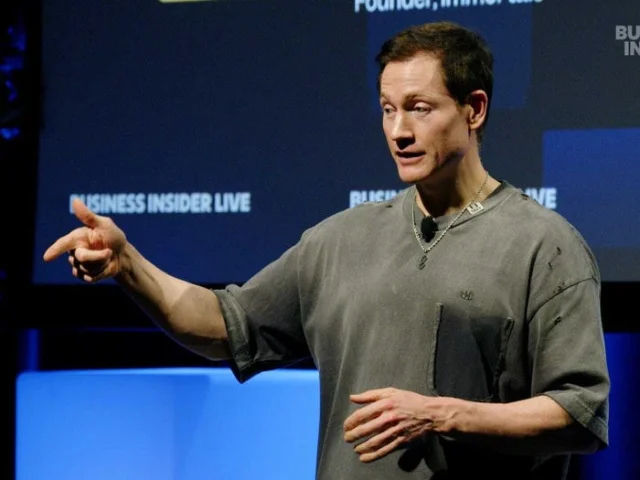
Image from: Business Insider
On May 12, Johnson — the founder of Blueprint, the company that sells a longevity stack, and the person who spent an estimated $2 million in a single year tracking and optimizing his own biology — published an X thread with a notable rhetorical move. 23 "This is it. Everything learned spending millions on longevity. From: Your Immortal Unc and Auntie. To: Our Immortal nieces and nephews." Then 41 items, indexed 0–41, with item 0 being "Sleep is the world's most powerful drug" and item 41 being "Do less… most things don't work."
The post reached 5.5 million views, 42,980 likes, and 57,269 bookmarks within five days. 23 Business Insider described the list as "surprisingly accessible (and affordable)." 24 BroBible called it "hilariously simple."
The 41 items cover sleep (consistent bedtime, 8 hours, no food before bed, no screens), whole foods over processed, daily movement, stress management, social connection, hearing protection, dental care, air circulation, and plastic reduction. Johnson included some specific medical recommendations: GLP-1 agonists for obesity ("If obese, look into a GLP"), and blood testing ("Bonus points if you get your blood checked"). The list explicitly excludes everything experimental in his personal protocol: mesenchymal stem cells, gene therapy, cerebrolysin, hyperbaric oxygen, psilocybin, and his full sauna protocol. 25 This is intentional. The framing is: before any of that, do these things.
The week's only Blueprint blog publication, published May 14, was "12 Phone Habits for Better Health" by staff writer Vanessa Gibbs. 26 The article includes a data point from Johnson's own tracking: a 40-hour social media fast, then a 70-hour one, produced a 10% improvement in his resting heart rate before bed — a plausible consequence of reduced pre-sleep cortisol and cognitive activation from social media scrolling. The 12 habits include grayscale mode, red/night light in the evening, capping volume at 80 decibels, phone-free zones, and scheduled screen-free windows.
No changes to the Blueprint supplement stack or protocol page were detected this week. The protocol page was last updated January 23, 2026.
Peter Attia: colonoscopy and the limits of UPF as a label
Attia — a physician who practices medicine focused on longevity, hosts the podcast The Drive, and maintains a research blog at peterattiamd.com — published two pieces this week and has been silent on X since February 2, 2026.
Podcast #391: Colorectal cancer screening (May 11). A solo, no-guest episode running as a 28-minute read. 27 Attia's core argument: colorectal cancer (CRC) is the second leading cause of cancer death in the US — projected at approximately 55,000 deaths in 2026 per the American Cancer Society 27 — and it is, in his assessment, arguably the most preventable cancer we know of. "Most cancers are something that happen to you, but colorectal cancer is one of the few that you can intercept before it even exists."
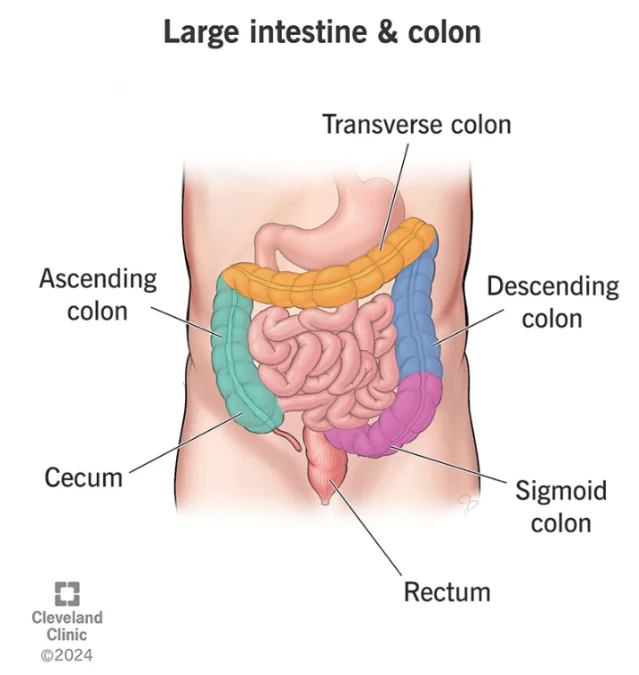
Image from: Peter Attia MD
The 68% figure from a 2020 CDC estimate — the share of CRC deaths that could be prevented with screening at traditionally recommended intervals — is the anchor stat in this episode. Attia argues the real ceiling is closer to 100% with more aggressive protocols: starting earlier, repeating more frequently for higher-risk individuals. 27 "That statistic should stop you cold."
The clinical argument for colonoscopy over non-invasive alternatives rests on a feature no other common cancer screening shares: it is both diagnostic and therapeutic. A mammogram or low-dose CT tells you something is there; a colonoscopy finds precancerous polyps and removes them in the same procedure, before they become malignant. CRC's progression from normal mucosa to benign polyp to precancerous adenoma to carcinoma typically spans years to over a decade — a long window during which screening can interrupt the sequence. The episode also covers the NordICC trial (a large European randomized trial examining colonoscopy's effectiveness), non-invasive stool-based and blood-based screening alternatives, how to evaluate colonoscopy quality, and how to think about personalized screening intervals.
Blog post: Ultra-processed foods and male fertility (May 16). Co-authored with Taylor Yeater and Michael Rae. 28 The target is a 2025 Cell Metabolism randomized crossover feeding study (Preston et al.) that generated headlines like the Washington Post's "ultra-processed diet decreases male sex hormones." Forty-three non-obese men aged 20–35 ate either a UPF diet or an unprocessed diet for three weeks, with a 12-week washout. 28 The UPF arm gained roughly 1.3–1.4 kg in three weeks. FSH dropped ~0.5 IU/L, but only in the excess-calorie UPF arm; sperm motility fell ~13% but did not reach statistical significance after correction.
Attia's team's core problem with the study: the UPF diet was simultaneously higher in saturated fat and refined carbohydrates and lower in fiber. The design cannot separate the effect of food processing from the effect of a generally poor dietary composition — making the "ultra-processed" label do explanatory work it hasn't earned. As they write: "In this context, 'ultra-processed' functions less as a mechanism than as a label for a dietary pattern that is often calorie-dense, fiber-poor, and metabolically unfavorable." 28 They situate this against Kevin Hall's 2019 inpatient feeding study 28 showing UPF diets cause ~500 extra calories/day and ~1 kg weight gain in two weeks when food is ad libitum — the strongest signal being excess energy intake, not some processing-specific metabolic effect.
The practical takeaway Attia endorses: focus on dietary patterns that control energy intake, preserve healthy body composition, and support metabolic health — rather than on avoiding foods based on the NOVA classification system alone. For readers already focused on whole-foods eating, this changes nothing. For readers who've been treating NOVA-4 as a reliable harm proxy, the evidence for that framing is weaker than the headlines suggest.
What to watch next week
No direct cross-expert convergence on a single compound or intervention occurred this week. The closest parallel was environmental toxin reduction: Patrick addressed PFAS in food and recommended filter/cookware swaps; Johnson published similar recommendations (reverse osmosis water filtration, PFAS-free cookware) in his home environment post from May 8, just outside this window. Neither cited the other, but readers building a home toxin-reduction protocol can pull from both.
One pairing worth thinking about without overstating it: Sinclair shared a paper showing that exercise-released exosomes carry NAMPT to the liver to raise NAD and activate SIRT1; Patrick covered a study showing that VO2max improvement changes how the brain mounts a BDNF response to hard exercise. Both point in the same direction — that exercise's systemic benefits are partly mediated by specific molecular signals, not just cardiovascular load — but the studies address different organs, different signals, and different mechanisms. They don't validate each other; they're independently interesting.
Coming up: the Life Biosciences ER-100 trial is expected to report first results in late 2026 or early 2027. Lifespan Season 2 episodes will begin releasing after the trailer. Attia has been off X for over three months; if and when he returns, the topic is likely to carry significant context.
参考ソース
- 1David Sinclair on X — ITOA Nature Comms paper
- 2David Sinclair on X — aging is loss of information
- 3David Sinclair on LinkedIn
- 4David Sinclair on X — body remembers youth
- 5Lifespan Season 2 Official Trailer
- 6David Sinclair on X — Lifespan S2 trailer
- 7David Sinclair on X — exercise exosomes NAMPT
- 8David Sinclair on X — transposons flatworm paper
- 9David Sinclair on X — Cialis/Viagra dementia thread
- 10NPR — NAD+ supplements evidence
- 11David Sinclair on X — NAD supplement quality
- 12David Sinclair on X — eye cell restoration glaucoma AMD
- 13Nature Biotechnology — FDA approval ER-100
- 14iRunFar — Sinclair Transvulcania 2026
- 15FoundMyFitness — cardiorespiratory fitness BDNF
- 16FoundMyFitness — egg intake Alzheimer's
- 17FoundMyFitness — magnesium potassium insomnia
- 18@foundmyfitness on X — creatine sleep deprivation
- 19@foundmyfitness on X — sauna HSP correction
- 20@foundmyfitness on X — vitamin D tau
- 21@foundmyfitness on X — produce microplastics
- 22@foundmyfitness on X — PFAS reduction steps
- 23Bryan Johnson on X — 41 longevity hacks
- 24Business Insider — Bryan Johnson 41 hacks
- 25Blueprint protocol page
- 26Blueprint — 12 phone habits
- 27Peter Attia MD — CRC screening podcast #391
- 28Peter Attia MD — UPF reproductive health
このコンテンツについて、さらに観点や背景を補足しましょう。