The hangover that threw a perfect game
On May 17, 1998, David Wells — reportedly still hazy from an SNL afterparty, wearing a $35,000 Babe Ruth cap — walked onto the Yankee Stadium mound and threw the 13th perfect game in MLB history, retiring all 27 Minnesota Twins batters.
On the morning of May 17, 1998, David Wells woke up in a condition that most employers would not classify as "ready for work." He had spent the previous night at a Saturday Night Live cast party, and by his own later account, arrived at Yankee Stadium "half-drunk, still buzzing." He was wearing a Babe Ruth cap — an actual cap from the 1930s that he had paid $35,000 to acquire at auction — jammed onto his large head like a piece of treasure that had no business being on a baseball field.
Then he went out and retired all 27 batters he faced. Not a walk. Not a hit. Not even a close call that aged you five years. A perfect game.
The man the pinstripes barely contained
Wells did not look like a pitcher in the classic sense. He was broad, round-shouldered, and moved with the unhurried swagger of someone who had decided long ago that looking athletic was optional. 1 He was 34 years old in 1998, a lefty with a punishing four-seam fastball and a slider that dove off the table — but also a man whose interests extended well beyond fitness. He wore Harley-Davidson gear. He idolized Babe Ruth, the original Yankees legend who himself was not exactly known for monastic self-discipline.
The night before the game, Wells attended an afterparty for NBC's Saturday Night Live — this much he later confirmed in his 2003 autobiography Perfect I'm Not. His exact condition the next morning he described memorably: "I was still in a haze, fighting a nasty hangover." 2 You could argue this is the most on-brand context in which anyone has ever thrown a perfect game.
Twenty-seven up. Twenty-seven down.
His opponent was the Minnesota Twins, then a mid-table American League club that was far from a powerhouse but was still a lineup of professional hitters. Nobody expected the game to go this way.
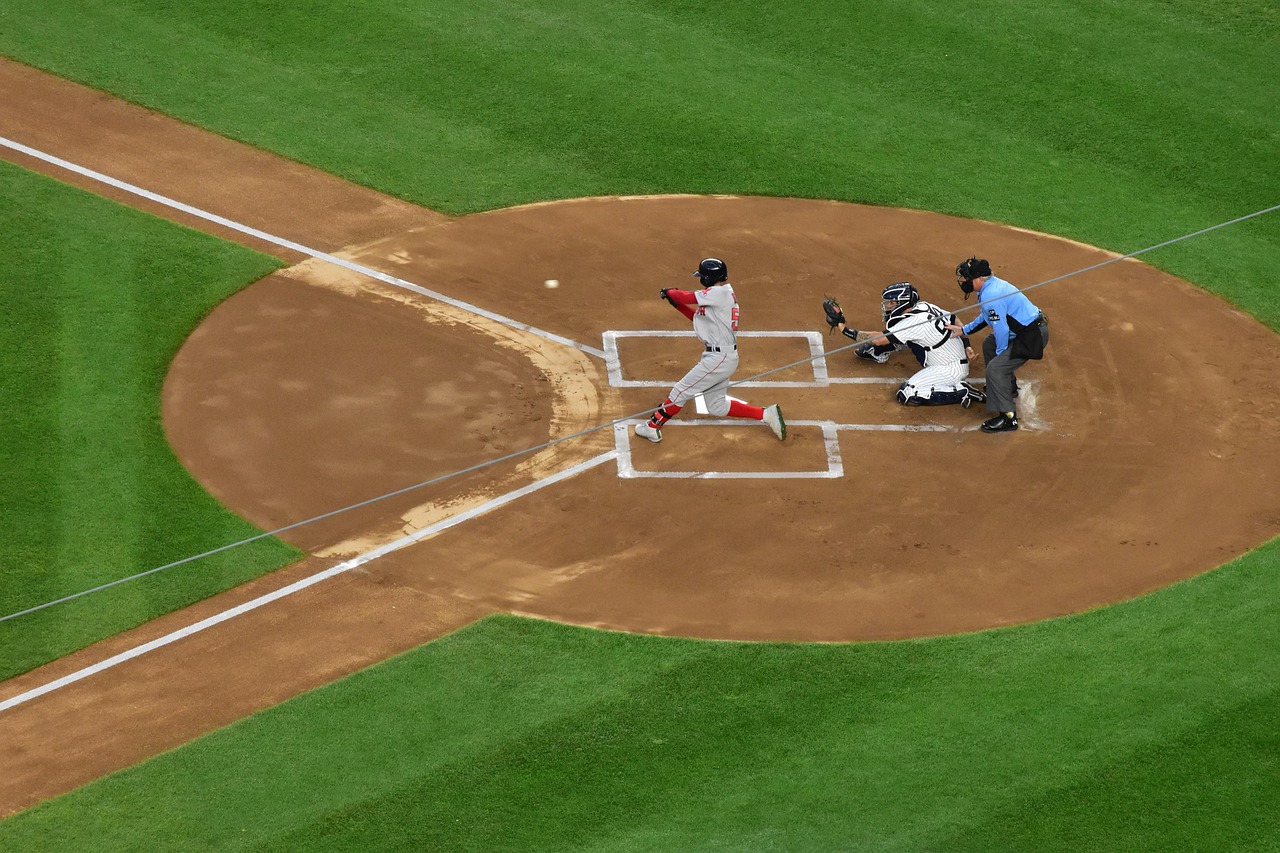
Wells struck out 11 batters and got the rest on weak contact. The final score was 4–0. The last out came when Pat Meares — the Twins' shortstop — hit a routine ground ball to Derek Jeter, who flipped it to first for the final out. 1 Wells turned toward the crowd, arms raised, tears streaming. His teammates swarmed him on the mound with the kind of chaotic joy that only 27 consecutive outs can produce.
In the stands, the 49,820 fans at Yankee Stadium had gone progressively quieter and then progressively louder as the innings mounted — the classic collective mathematics of a crowd that slowly realizes it is watching something that almost never happens. 1
How rare is "perfect"?
Here is the number that puts it in perspective: 24. That is how many perfect games have been thrown in the entire history of Major League Baseball — a league that has been playing games since 1876. 3 As of Wells' game in 1998, only 12 had come before it across 122 years of professional baseball.
A perfect game requires retiring all 27 batters you face — in order, without exception. One walk ends it. One hit ends it. One fielding error — by any of the eight defenders behind you — ends it. A pitcher has to be good and also very, very lucky, because baseball offers roughly 30 different ways a single at-bat can go sideways on you.
The odds of any given start ending in a perfect game are somewhere around 1 in 20,000 for an average MLB pitcher. For a portly left-hander allegedly nursing a hangover, the actuarial tables would not have been encouraging.
What Wells did on May 17, and what it means
There is a version of this story where the lesson is simply: talent is enough. Wells had been a dominant pitcher for a decade before this game. He had the mechanics, the pitch arsenal, and enough competitive intelligence to dissect a lineup. On that Sunday afternoon in the Bronx, everything he had came together in a single 2-hour-and-40-minute stretch.
But the Babe Ruth cap detail is hard to ignore. Wells came to the mound wearing a relic of the man most associated with the Yankees' mythology — a cap that had sat in a display case since the 1930s — and proceeded to join that mythology himself. 2
The 1998 Yankees finished 114–48, one of the greatest single-season records in baseball history. 4 They went on to win the World Series. Wells' perfect game was one data point in an entire season of absurdity.
Lesson from the mirror: The moment did not come dressed the way moments are supposed to. The pitcher wasn't a chiseled specimen in peak physical condition — he was a sleep-deprived, Babe Ruth-hat-wearing 34-year-old who loved motorcycles. Which is, honestly, a much better story.
Image: AI-generated illustration
このコンテンツについて、さらに観点や背景を補足しましょう。