Panama Canal Third Set of Locks — Key metrics
Design specifications and FY2025 operational performance
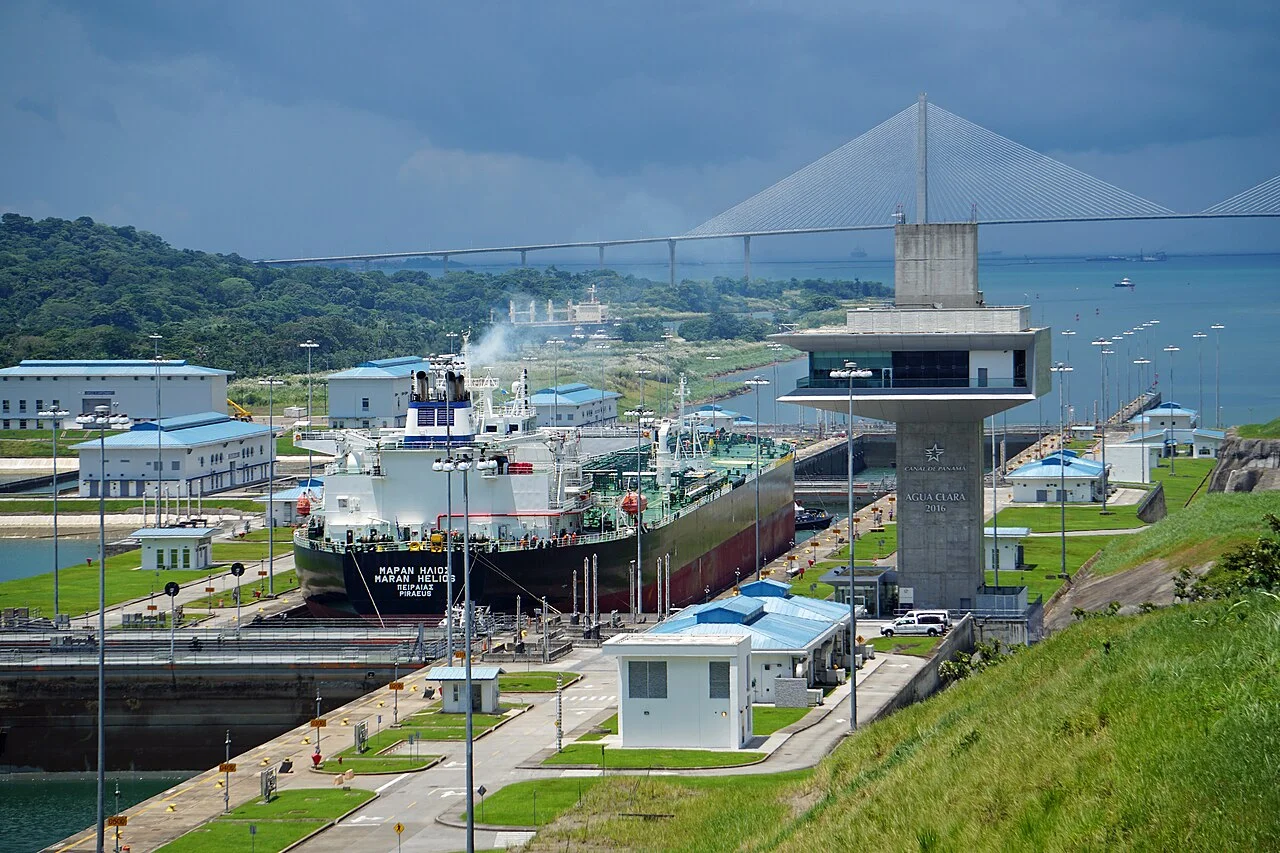
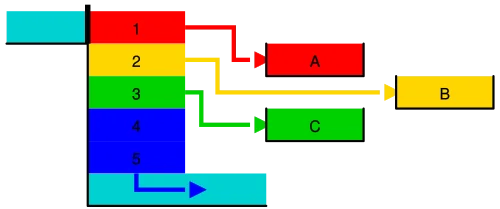
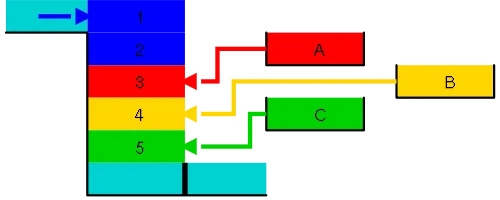
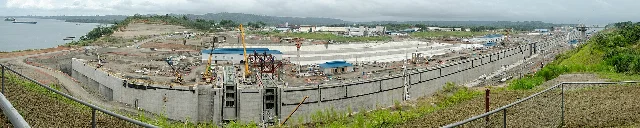
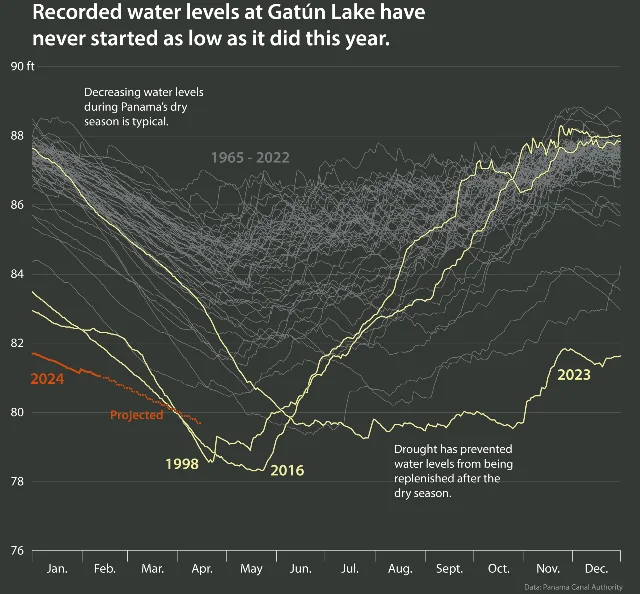
The Panama Canal's 2016 Third Set of Locks — adding Agua Clara and Cocolí complexes for New Panamax vessels — solved a paradox: chambers 60% larger by volume than the 1914 originals that use 7% less fresh water per transit. This case study examines the water-saving basin system, the 16 rolling steel gates fabricated in Italy and sailed to Panama, the 100-year concrete service life specification, the GUPC consortium construction disputes, and the 2023-24 El Niño drought that cut daily transits from 38 to 18 — exposing the hydrological vulnerability no basin engineering can fix.

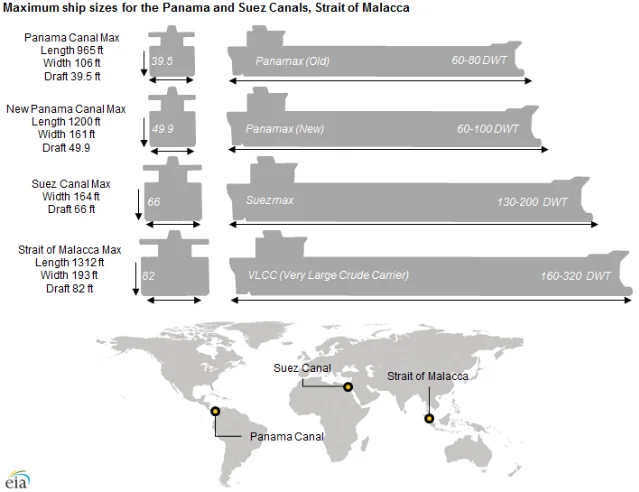
| Parameter | Original locks (1914) | Third Set of Locks (2016) |
|---|---|---|
| Chamber length | 304.8 m | 427 m |
| Chamber width | 33.5 m | 55 m |
| Chamber depth | 12.8 m | 18.3 m |
| Max vessel length | ~289–294 m | 366 m |
| Max vessel beam | 32.3 m | 49 m |
| Max vessel draft | 12 m | 15.2 m |
| Max cargo capacity | ~4,500–5,000 TEU | ~12,600–14,500 TEU |
| Position | Height | Weight |
|---|---|---|
| Typical mid-complex gate | 23–29 m | ~2,300–3,319 tons |
| Pacific side lock head 4 (ocean-facing) | 33 m | 4,232 tons |
| Shipment | Date | Notes |
|---|---|---|
| 1 | August 20, 2013 | First 4 gates arrive |
| 2 | June 10, 2014 | — |
| 3 | September 7, 2014 | — |
| 4 | November 12, 2014 | Final 4 gates (Atlantic side, 3,319 tons each, 29 m tall) |
このコンテンツについて、さらに観点や背景を補足しましょう。