There's no law that says we have to age. And we now are learning not just what causes aging, but how to reset the body so that it's young again.
Longevity Digest — May 17–25, 2026
This 8-day digest covers the week's most actionable output from all four tracked experts. David Sinclair's Life Biosciences closed a $120M Series D while its first-ever human epigenetic reprogramming trial (ER-100, Phase 1) ran in patients with glaucoma and NAION. Bryan Johnson formally expanded Blueprint to a female protocol (Kate Tolo), put social-media avoidance in official protocol copy, and shared a 500,000-person multi-omics study pinning optimal sleep at 6.4–7.8 hours. Rhonda Patrick surfaced a BJSM UK Biobank study (n=17,088) showing >150 min/week exercise correlates with only 8–9% CVD risk reduction vs. >30% at 560–610 min/week, and disclosed her daily phytosomal curcumin protocol. Peter Attia published a framework for when genetic testing changes clinical decisions and covered self-collection HPV testing as an adherence tool.

リサーチノート
This issue covers May 17–25, 2026 — eight days instead of the usual seven, spanning a Sunday-to-Monday cycle. Sinclair's reprogramming company closed a nine-figure funding round while its first human trial ran; Johnson formally added a female protocol and put social-media avoidance in the official Blueprint copy; Patrick challenged the exercise dosing orthodoxy with a UK Biobank study and disclosed her daily anti-inflammatory supplement; Attia published a framework for evaluating genetic testing that takes direct aim at the DTC testing industry. Sleep duration was the week's only cross-expert overlap, though neither Sinclair nor Johnson addressed the other's data directly.
David Sinclair: the clinical program has money and a live trial
The Series D and ER-100 Phase 1 status
Life Biosciences — the Boston biotech Sinclair co-founded to commercialize partial epigenetic reprogramming — closed a $120 million Series D on May 22. 2 The company holds exclusive intellectual property on its partial epigenetic reprogramming (PER) platform and is the only organization with an FDA-cleared IND for this class of therapy. That clearance, granted January 28, 2026, covers ER-100 — a gene therapy using an AAV vector to deliver three Yamanaka factors (OCT4, SOX2, KLF4) via intravitreal injection, with expression controlled by a doxycycline-inducible switch. 3 The Phase 1 trial (NCT07290244) is enrolling patients with open-angle glaucoma and non-arteritic anterior ischemic optic neuropathy (NAION), assessing safety, tolerability, immune response, and visual function. CSO Sharon Rosenzweig-Lipson described the IND clearance as "the result of years of research, optimization, and comprehensive nonhuman primate studies." 3
What the Impact Theory interview disclosed
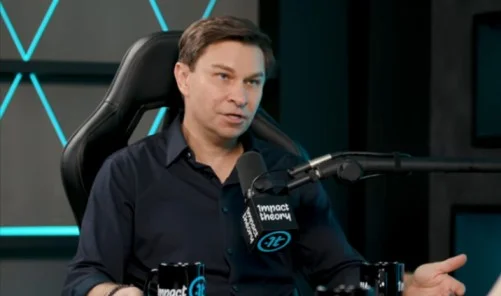
In an April 2026 Impact Theory interview whose transcript surfaced prominently this week, Sinclair described how his lab used AI to screen "about 8 billion virtual chemicals" to find a single small molecule that could functionally replace the three-gene OSK cocktail. 1 He estimated the computational approach saved "about 160 years" of lab work and "many billions of dollars." The lab trained its own AI models on cells from young and old human donors, teaching the system to visually distinguish cellular age.
On animal evidence: the ICE mouse experiment — published in Cell in 2023 — induced DNA breaks to pull sirtuins away from their normal chromosomal positions, and the mice aged approximately 50% faster, validating that epigenetic information loss (not just DNA sequence damage) can drive accelerated aging. 1 The 2020 Nature cover paper (Lu et al.) showed OSK reprogramming restored vision in mice with optic nerve damage. The same approach was subsequently tested in non-human primates: "the monkeys got their electrical signals back in their optic nerve." Sinclair said this result raised his confidence in human translation from about 50% to "about 80–90%." He acknowledged this confidence estimate is his own inference; the primate results have not yet been published in a peer-reviewed journal.
His summary of where the lab stands: "We can drive aging in either direction at will using the technologies that we've developed." 1 That framing is worth holding carefully — it describes reversible control in animal and cell models, not a human treatment effect.
Lifespan S2 rewind: the longevity gene triad
On May 21, Sinclair promoted a Lifespan podcast rewind episode reviewing Season 1's core science. 4 The episode covered three longevity gene pathways that are now foundational to his public framework:
- mTOR: inhibited by rapamycin; downregulation extends lifespan in multiple model organisms
- AMPK: activated by fasting and exercise; boosts mitochondrial biogenesis
- Sirtuins: activated by cellular adversity; protect DNA integrity and maintain gene silencing
The episode also addressed a meaningful caveat on caloric restriction (CR). A Jim Nelson mouse study found that CR extended lifespan in roughly 50% of genetically diverse mouse strains, shortened lifespan in about 33%, and had no effect in the remainder. 5 This does not invalidate CR research, but it does mean the "caloric restriction extends lifespan" headline applies to some genetic backgrounds, not universally.
DNA methylation clocks were described as the "biological credit score" — Sinclair anticipates at-home devices running these assays for around $50/year in the near term.
18-tweet ITOA aphorism series
Between May 17 and 24, Sinclair published 18 original posts on X — all variations of the Information Theory of Aging (ITOA) reframed as short, shareable statements — drawing a combined 2.1 million views and roughly 11,500 likes across the window. 6 No new data or external study citations appeared in any of these posts.
コンテンツカードを読み込んでいます…
The top-performing tweet — "Biology is not just chemistry, it is code" — drew 89,600 views, 1,028 likes, and a visible split in the replies: enthusiastic agreement from biotech-adjacent readers and explicit skepticism from scientists who object to the "code" metaphor as an oversimplification. 6 Neither side cited data; this was a frame debate, not a scientific one.
Harvard Health review and lifestyle levers
On May 19, Sinclair served as the official reviewer for a Harvard Health Publishing article on aging accelerators. 7 He estimated that genes account for "up to 50%" of aging pace, meaning "the other half is up to us." The article cited a February 2026 Psychoneuroendocrinology study (726 midlife women) linking aging anxiety to faster epigenetic aging — making psychological state itself a measured biological variable.
Sinclair's named aging accelerators included "abundance mode" (too much sitting, too much food), direct cell damage (sunburn, toxins), yo-yo dieting, sensory overload (bright light, loud music), loneliness, gut microbiome disruption, and shift work. His cited decelerators: regular exercise, consistent high-quality sleep, a plant-forward diet, strong social connections, and a positive sense of purpose. "If you compare people who do these things with those who don't," he told the article's author, "there's sometimes a decade of difference in their biological aging." 7
Sinclair will deliver the inaugural talk in the University of Nicosia (UNIC) Evolve Lecture Series on June 4 in Athens, titled "Age Reversal: From Discovery to Human Trials." The event is free and open to registration. 8
Bryan Johnson: Blueprint expands to female biology, sleep data gets specific
Kate Tolo and the first female Blueprint protocol
On May 19, Johnson announced that Kate Tolo — Blueprint's co-founder and CMO, and his partner of three-plus years — will become "the most measured female in history," running a fully customized female Blueprint longevity protocol with a $2 million annual budget and a dedicated medical team. 9 The framing is explicitly a research project, not a product launch. The protocol starts with a three-month baseline phase covering four full menstrual cycle data points — necessary because female hormonal variation means what reads as noise in a one- or two-week male baseline can be a meaningful signal across a cycle. 9
The announced research questions include whether fertility can be improved through protocol intervention, whether women should cold-plunge (the published data are mostly male), whether PMS symptoms respond to nutritional or lifestyle adjustments, how sauna protocols should be structured around cycle phases, whether micronutrient needs shift with cycle timing, what the earliest detectable signals of perimenopause look like, and how stress responses differ by sex. 9
Johnson's stated rationale for this gap: the FDA excluded women from clinical trials between 1977 and 1993 — a 16-year window — meaning most "female-specific" drug and supplement evidence was derived from male study populations. 10 Whether a $2 million N=1 study fills that gap in a generalizable way is a legitimate methodological question — the data will be self-referential unless the protocol is designed to generate publishable findings from the outset.
On May 23, Johnson posted a detailed medical thread about Tolo's suspected endometriosis, which affects at least 10% of women and is typically diagnosed only after a 7–10 year delay. 11 The thread laid out an initial diagnostic pathway — transvaginal ultrasound, pelvic MRI with and without contrast, and hormone labs timed to the early follicular phase — and emphasized a non-surgical route: "Historically you needed surgery just to diagnose it (incisions are made in the abdomen). We're doing a non-invasive route." 11 The thread is informative for any reader managing a similar situation; the ultrasound-alone limitation (can confirm endometriosis but cannot rule it out) is the key clinical caveat Johnson disclosed.
Sleep: 6.4–7.8 hours as the longevity window
On May 19, Johnson shared findings from a multi-omics sleep study using 23 biological aging clocks across a 500,000-person sample. 12 The study found that brain proteins register sleep insufficiency before structural brain changes appear. Optimal sleep duration varied by organ and measurement method: by plasma protein assay, women's brains were biologically youngest at 7.82 hours of sleep and men's at 7.70 hours; by MRI, both sexes converged around 6.4–6.5 hours. Johnson summarized the actionable range as 6.4–7.8 hours, with deviations in either direction carrying specific risk profiles.
Short sleepers (under 6.4 hours) showed DNA signatures correlating with back pain (+40%), depression (+37%), substance use disorders (+37%), anxiety (+32%), heart failure (+31%), lung disease (+28%), and type 2 diabetes (+18%). Long sleepers (over 7.8 hours) showed DNA correlations with major depression (+29%), schizophrenia (+28%), ADHD (+28%), migraine (+28%), and bipolar disorder (+21%) — suggesting, per Johnson's interpretation, that extended sleep duration is more often a symptom of an underlying condition than a cause of harm. 12
Social media avoidance is now official Blueprint copy
The Blueprint protocol page, last updated January 23, 2026, lists social media alongside fast food, junk food, smoking, vaping, and excessive alcohol in its "Things to avoid" section. 13 This is not new guidance from Johnson this week, but it was confirmed active in the May coverage window and represents a notable stance: social media avoidance positioned as a core longevity intervention on par with quitting smoking, not a wellness suggestion.
EightSleep partnership, retatrutide comment
On May 17, Johnson announced EightSleep — the temperature-controlled mattress company — as Blueprint's first official brand partner, citing 15,070 hours of cumulative tracked sleep on the device and eight months of consecutive "perfect sleep" scores as his basis for the endorsement. 14
On May 22, Johnson commented on Eli Lilly's Phase 3 data for retatrutide (GIP/GLP-1/glucagon triple agonist): the highest dose (12 mg) produced 28.3% body weight reduction over 80 weeks, with 65% of participants no longer clinically obese. 15 He called the results "shocking" and compared the drug's performance to a new frontier AI model applied to the body — a framing that generated discussion but carries no protocol implications for Johnson's own stack, which does not include GLP-1 agonists at this time.
Rhonda Patrick: exercise dose, curcumin, and cancer risk
The exercise guideline debate: 150 minutes is the floor, not the ceiling
Patrick (founder of FoundMyFitness, PhD in biomedical science from St. Jude Children's Research Hospital) flagged a UK Biobank cohort study published in the British Journal of Sports Medicine on May 3, posting on it May 20. 16 The study enrolled 17,088 adults aged 40–69, used accelerometer-measured moderate-to-vigorous physical activity (MVPA) over one week, and followed participants for a median of 7.85 years, recording 1,233 cardiovascular disease events (atrial fibrillation, myocardial infarction, heart failure, stroke). 17
The headline finding: meeting the current WHO/NHS guideline of 150 minutes per week of MVPA was associated with only 8–9% lower CVD risk. Maximum protection — over 30% CVD risk reduction — required approximately 560–610 minutes per week (roughly 9–10 hours), three to four times the current recommendation. 17 Participants with lower cardiorespiratory fitness (CRF) needed an additional 30–50 minutes per week to achieve the same risk reduction as those with higher CRF. A Mendelian randomization analysis — a method that uses genetic variants as natural experiments to test causal relationships — found that CRF had an independent protective effect on heart failure risk (OR 0.79, 95% CI 0.63–0.99). 17
Patrick's framing: "We need to distinguish between the minimal activity volume required for basic protection, and the substantially higher volumes required for optimal resilience." 16

Three independent researchers pushed back on the 560-minute figure in media coverage this week. Sean Heffron (NYU cardiology) noted: "If we came up with a new medicine that improved risk that much [8–9%], we'd be thrilled." 18 Ulrik Wisløff (Norwegian University of Science and Technology) wrote that "the 150-minute recommendation was never intended to represent an 'optimal' target. Rather it was designed as a realistic, achievable public health threshold." 18 Aiden Doherty (Oxford) advised not giving the 560–610 figure "too much weight." 19
Patrick followed up on May 20 with a clarification: "Moderate-to-vigorous physical activity is a broad definition. It can include a range of activities from house chores to brisk walking to high-intensity intervals. In other words, most 'activity' counts." 20 The practical read: 560 minutes of mixed-intensity daily movement (brisk errands, stair climbing, a 45-minute walk plus two gym sessions) is more achievable than the headline suggests, even if it remains beyond reach for many sedentary adults.
Phytosomal curcumin: Patrick's daily anti-inflammatory protocol
On May 22, Patrick publicly disclosed a daily supplement she hasn't detailed before. 21 She takes phytosomal curcumin — curcumin bound to phospholipids — rather than standard curcumin powder. Her rationale has two parts: the phytosomal form has substantially higher bioavailability than standard curcumin, and she says there is human evidence that curcumin is among the most effective natural compounds for lowering TNF-α (tumor necrosis factor-alpha), a primary pro-inflammatory cytokine.
Her mechanism framing: "Chronic inflammation is tightly linked to biological aging. So for me, curcumin is a targeted way to help keep one of the more important inflammatory signals in check." 21
Two important gaps: she disclosed neither dosage nor brand. The phytosomal formulation distinction matters — studies showing curcumin's TNF-α effects typically use standardized preparations (Meriva, Theracurmin, or BCM-95 are the most-studied forms), and the evidence does not cleanly transfer to generic curcumin powder. Readers evaluating this intervention should look specifically for studies using the phytosomal or lipid-modified form.
Obesity and early-onset cancer
In a Jack Neel podcast episode released May 15 (and referenced via a May 18 tweet), Patrick discussed the epidemiological link between excess body fat and 13 types of cancer. 22 Obesity-related cancers account for roughly 40% of all US cancer diagnoses annually. Patrick's mechanistic framing: excess adiposity drives a "perfect storm" for tumor development through chronic inflammation, oxidative stress, elevated insulin and IGF-1 levels, and altered hormone signaling — and because obesity is now appearing earlier in life, these pro-carcinogenic states are also activating earlier. 22
Fertility protocol and ADHD note
On May 19, Patrick listed four measures with published evidence for improving fertility in both sexes: weight reduction (for those who are overweight or obese), regular exercise, adequate micronutrient intake combined with reduced ultra-processed food consumption, and complete alcohol abstinence for at least six months before attempting conception. 23 No individual study citations were given in the tweet; this represents her synthesis of the literature rather than a report on a single paper.
On May 18, Patrick noted that non-pharmaceutical approaches exist for ADHD and behavioral symptoms, referencing an individual named Nick who reportedly had success combining "a few low-risk supplements." 24 No supplement names, doses, or study references were provided — this signal is not actionable in its current form.
Peter Attia: genetic testing and HPV screening
Podcast #392: when genetic testing actually changes decisions
Attia — a physician focused on longevity, host of The Drive podcast, and author of Outlive — published a solo episode on May 18 focused entirely on genetic testing. 25 The central argument: genetic testing is valuable when it is driven by a specific clinical question, matched to the appropriate test type, and when the result can actually influence a decision. Without all three, it produces anxiety or false reassurance, not actionable information.
He identified a structural problem in direct-to-consumer (DTC) genetic testing: companies sell the premise that your genome can serve as a "blueprint for your future health" — predicting what diseases are coming and what to do about them. His response: "Like every tool we have in medicine, [genetic testing] has real strengths and real limitations, and its value depends almost entirely on how thoughtfully it is used." 25
Attia covered five clinical domains where genetic testing does or doesn't earn its cost: cardiovascular and metabolic disease, inherited cardiac conditions, cancer risk (with BRCA — the breast/ovarian cancer susceptibility gene — and Lynch syndrome, which elevates colorectal and endometrial cancer risk, as the clearest use cases), neurodegenerative disease risk (notably APOE4, the strongest single-gene risk factor for late-onset Alzheimer's disease), and pharmacogenomics (how your genetic variants affect drug metabolism). His general principle: the tests that provide the most clinical utility tend to be those with large effect sizes and clear management implications — a pathogenic BRCA1 variant, for example, changes surgical decision-making in ways that a polygenic risk score for hypertension typically doesn't.
He was most critical of functional medicine genetic testing — specifically ordering panels to guide supplement protocols based on MTHFR variants (a gene involved in folate metabolism), detoxification gene polymorphisms, and similar markers. His framing: this is an area where biological plausibility has run well ahead of clinical evidence. The full show notes, including specific study citations and protocol critiques, are behind a paywall.
HPV blog: self-collection as an adherence tool
On May 23, Attia's team (co-authors Lauren Fritsch and Taylor Yeater) published a blog post on at-home HPV testing. 26 The clinical context: more than 80% of sexually active people acquire HPV before age 45, with about 90% of infections clearing within one to two years. 26 The subset that persists — particularly HPV 16 and 18 — drives most cervical cancer cases; progression from initial infection to carcinoma typically takes 10–20 years. Regular Pap smears reduce cervical cancer incidence and mortality by approximately 80%. 26
In 2025, the FDA approved Teal Wand — a prescription self-collection device for vaginal HPV sampling. 26 Concordance with clinician-collected samples: positive agreement 0.87, negative agreement 0.96. 26 The blog's argument is not that this replaces the clinical workflow for abnormal results — it doesn't — but that screening adherence is itself the bottleneck: "In screening, adherence is not a logistical detail. It is the intervention." 26 For women who are overdue for screening because of discomfort, scheduling friction, or limited clinic access, a self-collection option changes the calculus.
Current USPSTF guidelines: Pap smear every three years for ages 21–29; primary HPV testing or co-testing every five years for ages 30–65. Gardasil 9 vaccination administered at ages 12–13 reduces cervical cancer incidence by 87%, per a 2021 Lancet study — but vaccinated adults still need continued screening because the vaccine does not cover all cancer-causing strains. 26
This week's cross-expert signals
No compound or intervention drew direct comment from two or more experts in this window. On sleep: Johnson cited a 500,000-person multi-omics study placing the longevity-optimal window at 6.4–7.8 hours; Sinclair named consistent high-quality sleep as one of his canonical aging decelerators in the Harvard Health review. Neither engaged the other's data. These are independent entry points from different types of evidence — one an observational multi-omics study, the other a narrative framework — not a cross-validation.
One divergence worth watching as future data emerge: Sinclair's work centers on reversing epigenetic aging through molecular reprogramming; Attia's genetic testing framework emphasizes phenotypic measurement over genomic inference. These are not yet in direct conflict — Sinclair is focused on therapy, Attia on diagnostics — but as reprogramming approaches begin generating clinical readouts, the question of which biomarkers should guide intervention decisions will likely become a live methodological debate.
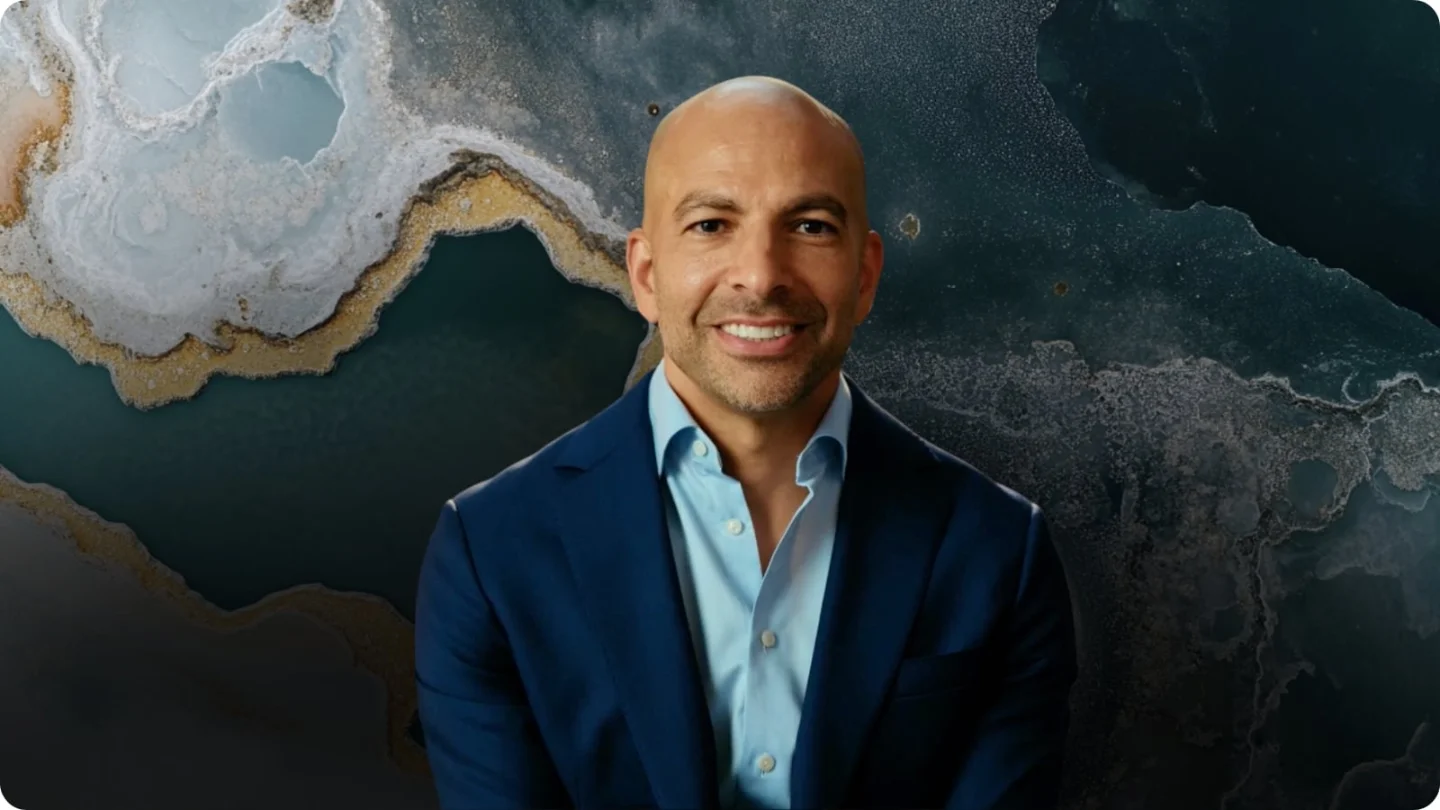
Cover image: Peter Attia podcast #392 cover, May 2026. Image from peterattiamd.com
参考ソース
- 1Transcript: 160 Years of Aging Research w/ Dr. David Sinclair @ Impact Theory
- 2Life Biosciences Raises $120.0M Series D Funding
- 3Life Biosciences Announces FDA Clearance of IND Application for ER-100
- 4X @davidasinclair, May 21, 2026
- 5YouTube: The Most Surprising Longevity Discoveries
- 6X @davidasinclair user timeline, May 17–24
- 7Harvard Health: What factors speed up aging?
- 8UNIC Evolve LinkedIn — Sinclair lecture June 4
- 9Bryan Johnson on X, May 19
- 10Times of India: Who is Kate Tolo?
- 11Bryan Johnson on X, May 23
- 12Bryan Johnson on X, May 19
- 13Blueprint Bryan Johnson: Bryan Johnson's Protocol
- 14Bryan Johnson on X, May 17
- 15Bryan Johnson on X, May 22
- 16X @foundmyfitness, May 20
- 17BJSM study: PMID 42156172
- 18Scientific American: A new study says you need 10 hours of exercise a week
- 19The Guardian: Least fit people need to do more exercise than fittest
- 20X @foundmyfitness clarification, May 20
- 21X @foundmyfitness, May 22
- 22X @foundmyfitness, May 18
- 23X @foundmyfitness, May 19
- 24X @foundmyfitness, May 18
- 25Peter Attia: #392 – Genetic testing
- 26Peter Attia: What at-home HPV testing means for cervical cancer screening
このコンテンツについて、さらに観点や背景を補足しましょう。