F-117A Nighthawk — key engineering parameters
Production aircraft (59 built, 1981–1990). Sources: f-117a.com, Wikipedia, F-117 SFA.
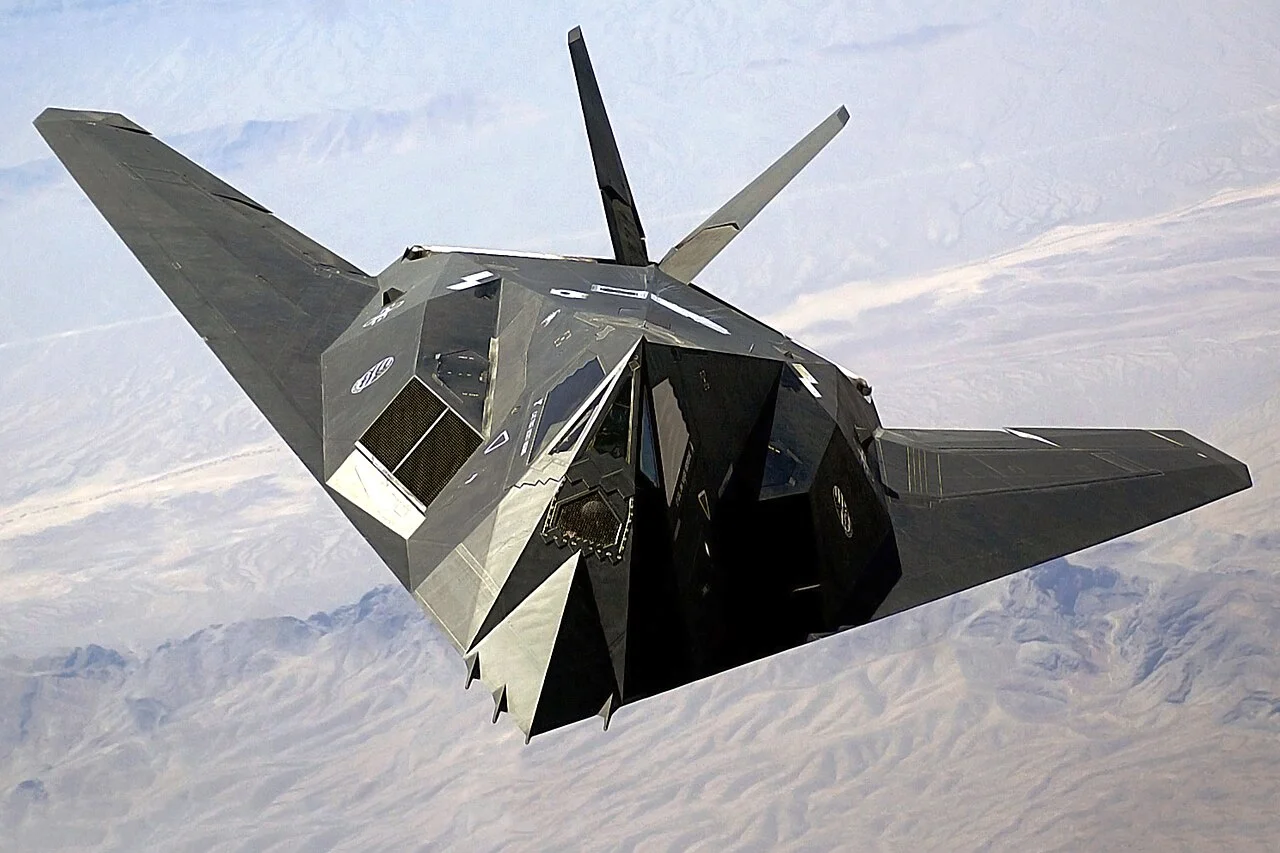
In 1962, Soviet physicist Pyotr Ufimtsev published an obscure paper on edge-wave diffraction that U.S. engineers discovered 13 years later and turned into the world's first operational stealth aircraft. This case study traces every engineering decision in the F-117 Nighthawk — from the ECHO-1 RCS prediction program and the Hopeless Diamond prototype, through the faceted planform geometry, inlet grid, carbonyl-iron RAM coating, quadruple-redundant DFCS fly-by-wire, and platypus IR-suppression nozzle — to the Gulf War validation that rewrote air-power economics.

リサーチノート
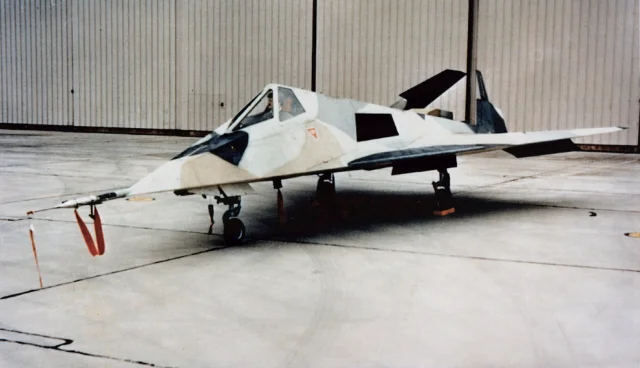
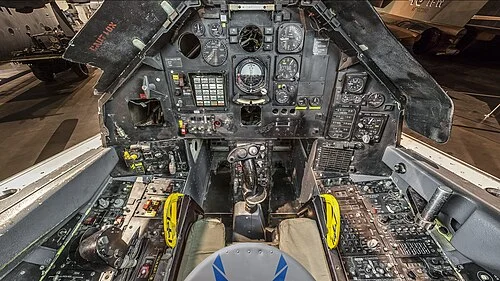

| Parameter | F-117A (1983) | F-4G Wild Weasel (1975) | B-2A Spirit (1997) | F-22A Raptor (2005) |
|---|---|---|---|---|
| Frontal RCS | ~0.001 m² | ~6 m² | ~0.0001 m² | ~0.0001 m² |
| Max speed | Mach 0.9 | Mach 2.2 | Mach 0.95 | Mach 2.25 |
| Thrust-to-weight | 0.40 | 0.86 | 0.28 | 1.08 |
| Stealth geometry | Faceted (flat panels) | None | Blended curves | Blended curves |
| RCS computation era | 1970s (ECHO-1) | N/A | 1980s (supercomputer CFD) | 1990s (CFD) |
| Internal weapons bay | Yes | No | Yes | Yes |
このコンテンツについて、さらに観点や背景を補足しましょう。