fal.ai
How to Use FLUX AI — Prompts, Settings & Tips
fal.ai's comprehensive Flux prompting guide, covering T5-XXL encoder behavior, behavioral vs. label syntax, and what weight constructs do and don't work.
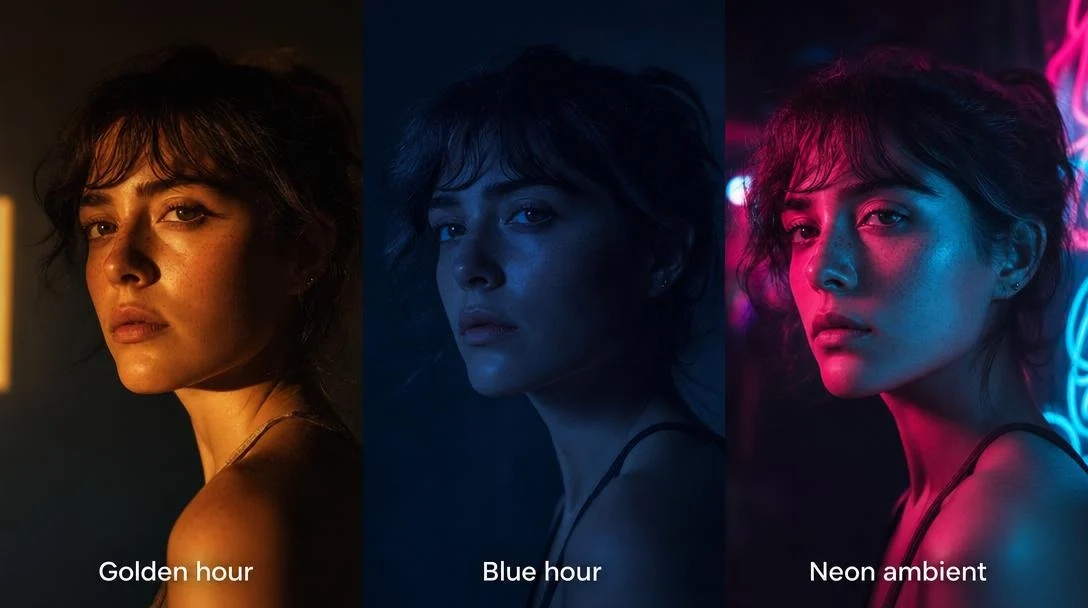
The same lighting intent — warm sunset light on a portrait — requires completely different prompt syntax depending on the tool. Midjourney V7/V8.1 takes lighting as a label; Flux takes it as a behavioral description of how light moves through the scene. Includes a per-tool table, the candle/neon object-vs-effect quirk, and SD3's documented prompt-adherence problem.

golden hour lighting in your Midjourney prompt and the image looked gorgeous. So you pasted the same phrase into Flux and the result was decent but somehow flatter, less specific — like the model acknowledged the label without fully committing to it. The keyword wasn't wrong. You were using MJ syntax on an engine that speaks a different language.golden hour, blue hour, volumetric lighting, neon ambient light — these read like camera directions and the model treats them that way. Lighting sits as one discrete layer in the prompt formula: Subject + Environment + Style + Lighting + Camera + Parameters. 1"There's a big difference between naming a lighting condition and describing how light interacts with the scene. The more you describe light as something that moves through and interacts with the scene, the more realistic and intentional your results will look." 2
golden hour — warm amber raking light, sun near the horizon, soft long shadowsblue hour — post-sunset or pre-dawn indirect light, deep blue-indigo sky, no hard shadowsmagic hour — synonym for golden hour; either worksovercast (or overcast lighting) — diffuse, shadowless daylight; even exposure across the subjectharsh midday sun / harsh sunlight — high-contrast, overhead, hard shadowsbacklighting — light source behind the subject; rim glow and silhouettesgolden hour: writing just sunset gets you a nice sky but doesn't guarantee the light actually falls on your subject. golden hour cinematic lighting tells the model both the time of day and the quality of light hitting the subject — two different constraints in one phrase. 3| Tool | Syntax mode | Example |
|---|---|---|
| MJ V7 | Label + modifier | golden hour cinematic lighting, soft long shadows --style raw --stylize 250 |
| MJ V8.1 | Label only (no --no; --raw for literalism) | golden hour cinematic lighting --raw |
| Flux dev/schnell | Behavioral prose | warm golden sunset light streaming through the window, casting long shadows across the hardwood floor, dust particles visible in the light beam |
| SDXL | Keywords + optional weight | golden hour lighting, warm side light, (golden hour:1.3) |
| SD3 | Positive rewrite only | warm amber side lighting, long soft shadows, sun near horizon |
(golden hour:1.5) or (golden hour)++ — the model ignores these constructions entirely. 2candlelight to a teacup prompt caused Midjourney to "insistently add candles" to every generation, not just cast candlelight on the scene. 5 The same object-association pattern appears in V7 community usage, though a direct controlled comparison across versions hasn't been published. The same logic applies to neon: neon sign places a sign object in the frame, but neon ambient light or drenched in neon ambient light tells MJ to use neon as fill light for the entire scene. 3warm flickering amber glow, soft volumetric candlelight.--style raw to reduce the model's tendency to surface ambient objects. In V8.1, --no was removed — use --raw and reframe in positive terms: room lit entirely by a single candle flame, no additional objects visible.cinematic still, a person in a futuristic jacket on a city balcony,
drenched in neon ambient light, cyberpunk aesthetic,
vibrant cyan and pink glow, rainy night
--ar 16:9 --style raw --stylize 200rainy night addition isn't decoration — wet surfaces reflect neon, making the ambient effect visible across the entire frame rather than only near a single sign.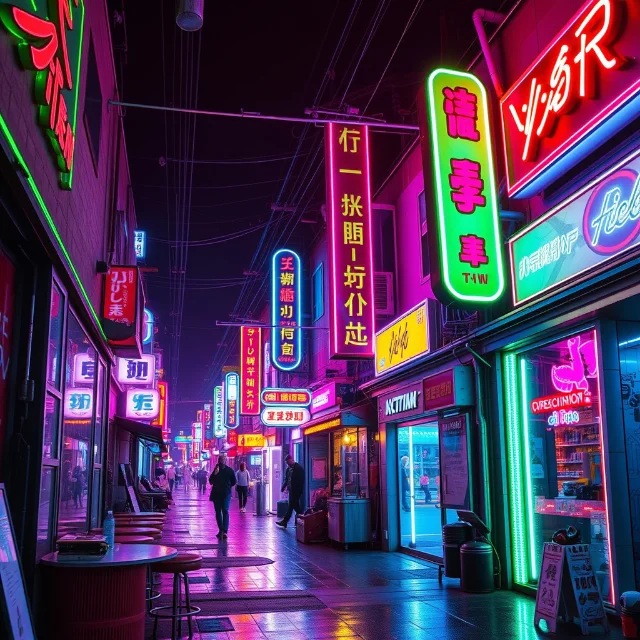
fal.ai's comprehensive Flux prompting guide, covering T5-XXL encoder behavior, behavioral vs. label syntax, and what weight constructs do and don't work.
A curated catalog of 25 tested Midjourney lighting prompts, covering ambient neon, practical sources, golden hour, and atmospheric effects with full prompt strings.
このコンテンツについて、さらに観点や背景を補足しましょう。