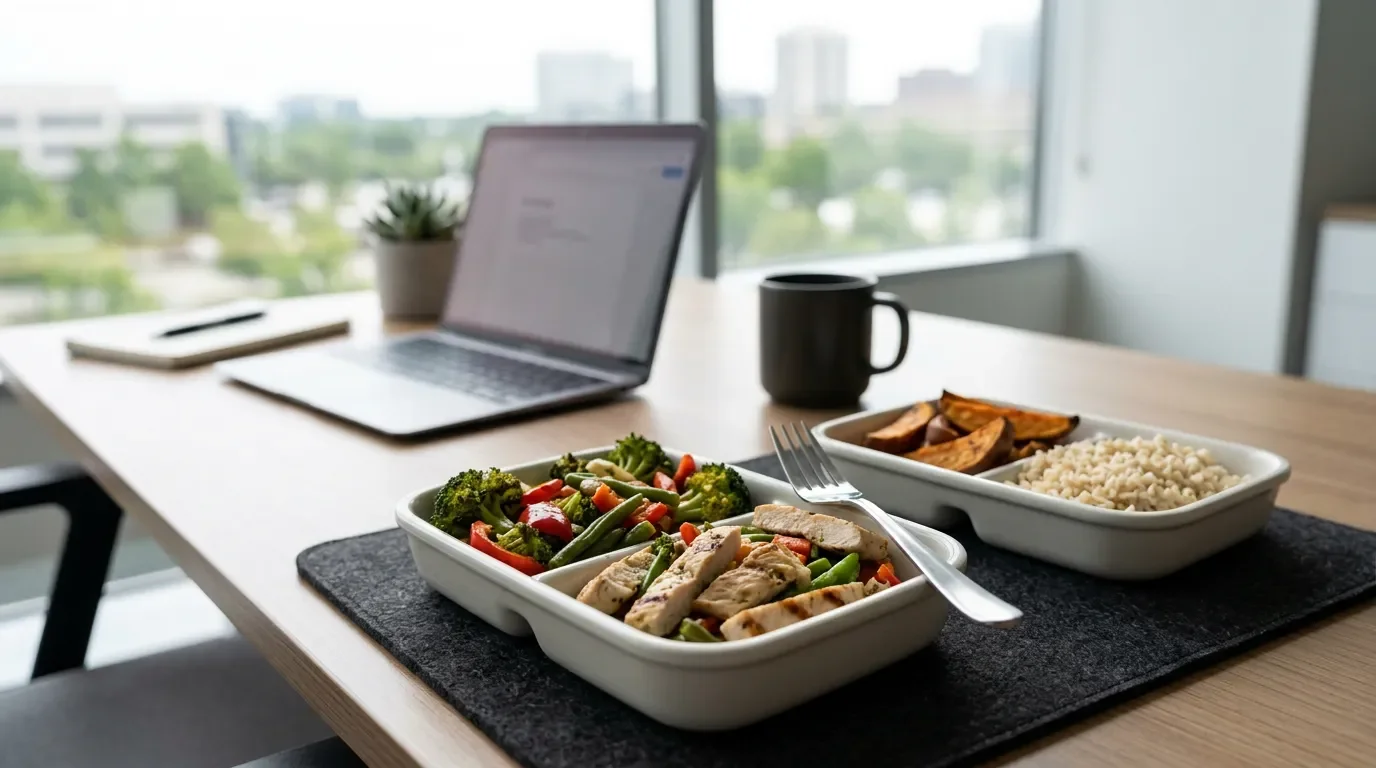
The lunch-order effect: eat the same meal in a smarter sequence for a sharper 2pm brain
This guide shows busy professionals how to use meal sequencing at lunch: fiber and protein first, starchier carbs last. It connects the science on post-meal glucose response to the channel's five-window meal framework, then gives four desk-ready Power Snack examples and two zero-prep micro-habits.

Most professionals do not need a smaller lunch. They need a smarter first 10 minutes.
If your usual pattern is sandwich first, chips second, salad when you remember, your blood sugar curve may be steeper than it needs to be. The same lunch can behave differently when you eat the fiber and protein first, then the starchier carbs last. In a 2015 Diabetes Care pilot study, 11 adults with metformin-treated type 2 diabetes ate the same 628-calorie meal in two different orders. When they ate vegetables and protein before bread and orange juice, post-meal glucose was 28.6% lower at 30 minutes, 37.0% lower at 60 minutes, and 16.8% lower at 120 minutes than when they ate carbs first. 1
That small study does not mean every healthy office worker gets the same percentage drop. It does give us a practical principle: your lunch sequence can change the metabolic context of your carbs. For a busy professional, that is useful because the goal is not a perfect diet. The goal is a 2pm brain that still works.
The lunch-order effect, in plain English
Carbohydrates are not the enemy. Your brain uses glucose, and lunch should help you work, not leave you sedated at your keyboard. The problem is when fast-digesting carbs arrive alone, especially after a long gap between breakfast and lunch.
Harvard's Nutrition Source explains that high-fiber foods slow digestion and tend to create a more gradual, lower rise in blood sugar; it also notes that meals with fat or acid convert more slowly into sugar. 2 The CDC makes the same fiber point in simpler terms: soluble fiber forms a gel-like substance in the stomach, slowing digestion and helping blood sugar control. 3
Meal sequencing uses that biology without asking you to become a meal-prep person. You are not banning the wrap, rice bowl, pasta salad, or baked potato. You are changing what hits your digestive system first.
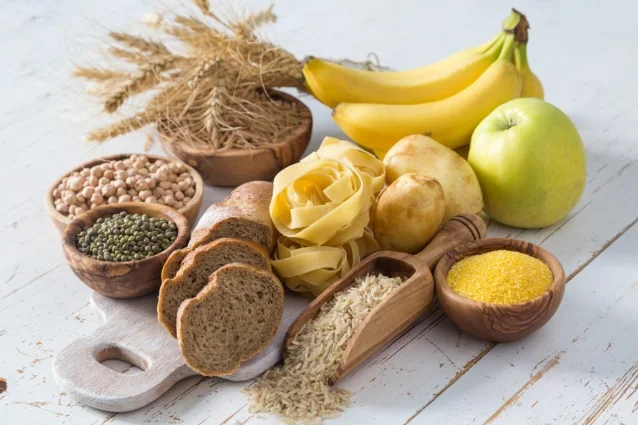
Think of lunch in three passes:
| Pass | Eat this first | Why it helps your afternoon |
|---|---|---|
| 1 | Non-starchy vegetables, beans, berries, chia, or other fiber-rich foods | Fiber slows digestion and reduces the speed of glucose entry into the blood. 3 |
| 2 | Protein and healthy fats: eggs, tuna, chicken, tofu, Greek yogurt, nuts, hummus, avocado | Protein and fat digest more slowly than many carbs and can delay carbohydrate absorption. 4 |
| 3 | Starchier carbs: bread, rice, pasta, potatoes, crackers, juice, sweets | Eating carbohydrates later in the meal has been shown in clinical meal-sequence research to reduce post-meal glucose excursions in some groups. 5 |
Your five-window day, adjusted for sequencing
Use the same five-window framework. The tweak is where lunch and the 3pm snack sit in the system.
Window 1: 7-9am anchor breakfast. Do not arrive at lunch ravenous. A protein-and-fiber breakfast makes it easier to sequence lunch because you are not negotiating with a starving brain.
Window 2: 10-11am bridge snack. If breakfast was light, use a small stabilizer: nuts plus fruit, Greek yogurt plus chia, or a tuna pouch with whole-grain crackers. The snack is not a treat. It is crash prevention.
Window 3: 12:30-1:30pm functional lunch. Start with the salad side, vegetables, beans, soup, or the protein section of the bowl. Give it 5-10 minutes before the starchier part. If you are eating a sandwich, take a few bites of protein filling first, then the bread. If it is a burrito bowl, eat some beans, fajita vegetables, salsa, guacamole, and protein before the rice.
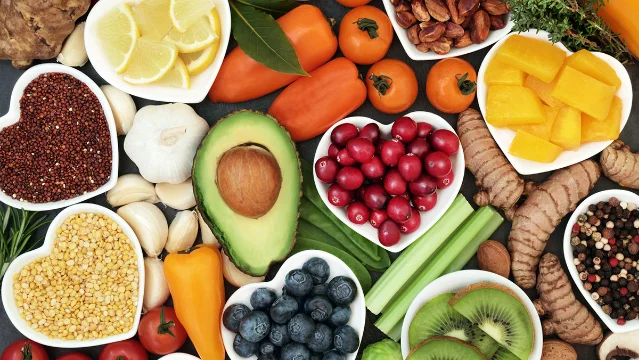
Window 4: 3-4pm strategic snack. Do not use the snack to rescue a lunch mistake with more quick carbs. Use the Power Snack Formula: Protein + Fiber + Healthy Fats. Four desk-ready options:
- 🥑 Roasted chickpeas + pistachios + an apple.
- 🧠 Tuna or salmon pouch + whole-grain crackers + olive snack pack.
- ⚡ Nut butter packet + high-fiber crispbread + berries or a shelf-stable fruit cup in juice drained.
- 🥑 Pumpkin seeds + dried edamame + a clementine.
Window 5: 6-8pm recovery dinner. Keep the sequence but make it relaxed: vegetables first, protein next, starch last. Dinner is where you prepare tomorrow's first cognitive window, not where you punish yourself for lunch.
The mistake: treating sequencing like a diet rule
Sequencing works best when it feels almost invisible. If you turn it into a purity rule, it will fail on the first travel day, team lunch, or client meal.
The Stanford Medicine team reported in 2025 that people vary in their glucose responses to different carbohydrates, and their study found that eating fiber or protein before rice lowered glucose spikes in metabolically healthy participants while fat delayed the peak. 6 That variability matters. Sequencing is a low-friction default, not a medical treatment plan.
If you have diabetes, use glucose-lowering medication, are pregnant, or have a diagnosed metabolic condition, treat this as a conversation starter with your clinician, not a substitute for medical advice.
For everyone else, the performance question is simple: can you make the better order the easier order?
Two no-prep micro-habits for this week
1. The first-five fork rule. For the first five forkfuls of lunch, choose vegetables, beans, protein, or healthy fats before bread, rice, pasta, potatoes, or sweets. No tracking. No app. Just first-five.
2. The carb-last plate turn. When you open a takeout box, rotate it so the vegetables and protein face you first. Put the chips, bread, fries, or rice farther away. Distance is design. You are letting the layout do some of the decision-making before your afternoon calendar drains your attention.
The best office nutrition systems do not depend on heroic choices. They make the next bite obvious.
What is one lunch you already eat that could become more stable simply by changing the order?
Fuentes de referencia
- 1Food Order Has a Significant Impact on Postprandial Glucose and Insulin Levels
- 2Carbohydrates and Blood Sugar
- 3Fiber: The Carb That Helps You Manage Diabetes
- 4Effects of Carbs, Protein and Fats on Glucose Levels
- 5A Review of Recent Findings on Meal Sequence
- 6Blood sugar response to various carbohydrates can point to metabolic health subtypes, study finds
Añade más opiniones o contexto en torno a este contenido.