
1/4

Nordic Style — Architecture & Interior Atlas Issue 01
16/6/2026 · 8:30
Galería
A look at one of the world's most influential interior design movements: Nordic / Scandinavian style. Rooted in climates where darkness stretches for months and warmth becomes an architectural project, this aesthetic turned harsh conditions into a design philosophy that now spans the globe.
Card 1 — Mood Board
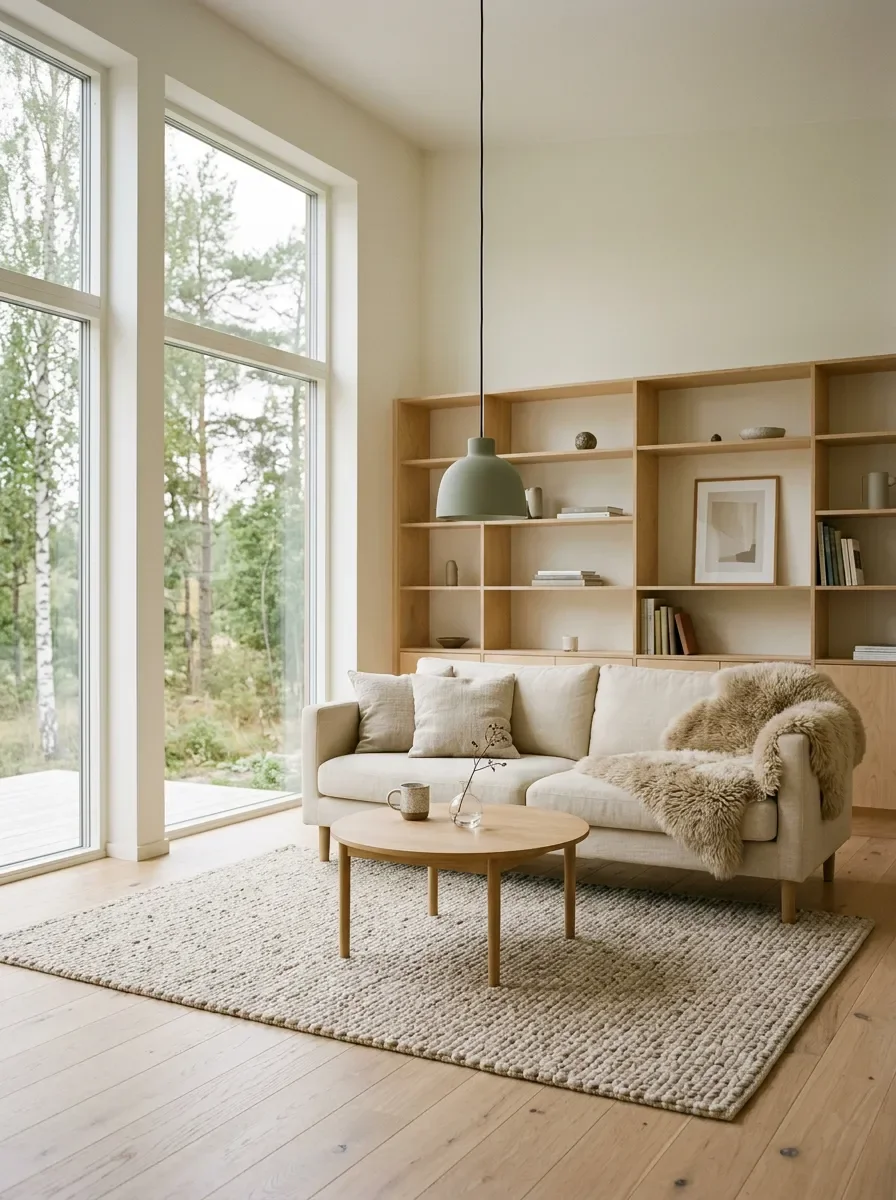
The emotional register in one frame: cream walls, warm birch, sheepskin, a ceramic pendant in dusty sage. Light is the true material here — Nordic interiors are engineered to hold as much of it as possible.
Card 2 — Origins
Scandinavia's design language grew from necessity. Long winters, limited daylight, and a tradition of skilled woodcraft shaped homes that prioritised warmth, function, and a quiet respect for natural materials. The Danish concept of hygge — a feeling of contentment found in simple pleasures — became the emotional core of the style.
Card 3 — Elements, Materials & Color
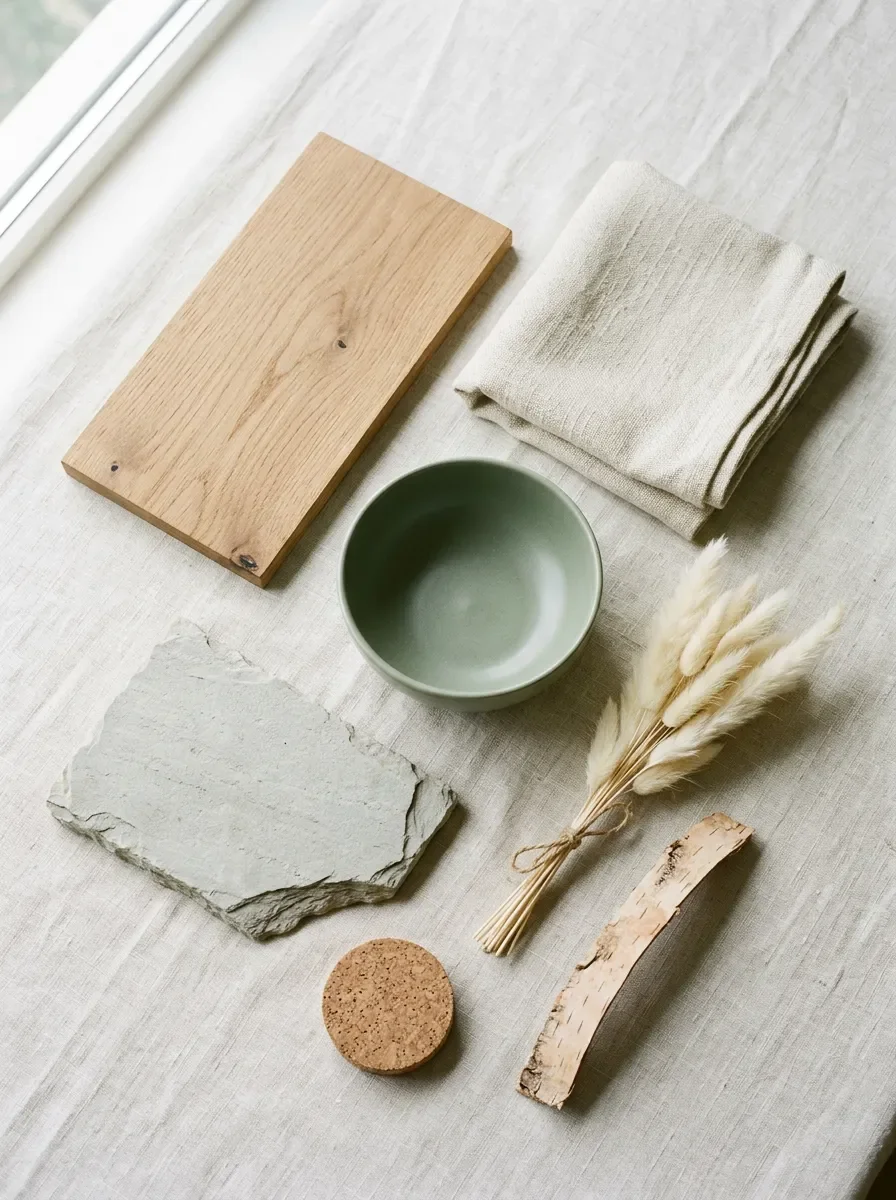
The palette: cream, warm birch amber, sage green, slate grey, undyed linen ivory. The materials: light oak, linen, chunky wool, matte ceramic, natural cork, pale stone. Each object earns its place by offering both tactile warmth and functional purpose. Nothing is superfluous; nothing is purely decorative.
Card 4 — Modern Use
Today, Nordic principles translate directly into urban apartments and contemporary residential projects worldwide. The language stays consistent: generous natural light, a restrained colour story, one or two statement pieces of honest-material furniture, and just enough greenery to anchor the human scale.
Sources: Nordic interior design characteristics from Cottodeste Journal — Embracing Nordic Elegance and International Design Center — Key Elements of Scandinavian Style Interiors. Images AI-generated for illustrative purposes.
Comentar