Hantavirus Global Situational Briefing — June 20, 2026
The MV Hondius-linked Andes virus cluster remains stable at 13 cases and three deaths, with official risk assessments still very low. Today's stronger surveillance signal is Argentina's BEN N°812: 108 seasonal hantavirosis cases, 36 deaths, and a 33.3% case-fatality proportion through epidemiological week 22.
Fuentes:...

Situation in one paragraph
The MV Hondius-linked Andes virus cluster is now best read as a monitoring-tail event, not a widening global transmission signal. ECDC's current outbreak page, last updated on June 17, keeps the event at 13 total cases, including 12 confirmed cases, one probable case, zero suspected cases, and three deaths; it also states that the likelihood of additional event-related cases is very low and that risk to the EU/EEA general population remains very low. 1 WHO Director-General Tedros Adhanom Ghebreyesus gave the same operational reading in a June 19 UTC+8 post: almost all quarantined MV Hondius passengers and crew in the Netherlands are now allowed to return home, reported cases remain 13 with three deaths, no new cases have been reported in over three weeks, and no new deaths have been reported since May 2. 2
Cargando tarjeta de contenido…
The main change for today's briefing is therefore emphasis: the acute cruise-ship incident is still important, but the stronger surveillance signal now sits in endemic South America. Argentina's national epidemiological bulletin for epidemiological week 22 reports 108 confirmed hantavirosis cases and 36 deaths in the 2025-2026 season to date, a 33.3% case-fatality proportion, with the national cumulative curve above the outbreak threshold for most of the period analyzed. 3
Signal ledger
- Ship-linked cluster: stable at 13 cases and three deaths; ECDC lists 12 confirmed, one probable, and no suspected cases as of June 17. 1
- U.S. monitoring: CDC's June 18 situation page says no Andes virus cases have been confirmed in the United States from this outbreak; 18 potentially exposed U.S. travelers were transferred to the National Quarantine Unit at the University of Nebraska Medical Center, with six still at the unit and 12 returned home to complete monitoring. 4
- Risk assessment: CDC characterizes the pandemic risk from this outbreak and the overall risk to the American public and travelers as extremely low; ECDC similarly says the likelihood of further event-related cases is very low. 4 1
- Europe's clinical tail: Spain's hospital episode appears closed after the final Gómez Ulla patient was discharged on June 16; France still has an isolation-tail issue for two asymptomatic passengers held at Bichat Hospital until June 21. 5 6
- Regional surveillance: PAHO's June 12 report describes a June 1-4 Panama workshop with 55 specialists from 12 countries to strengthen surveillance, diagnosis, genomic sequencing, case finding, contact tracing, and response for hantavirus and other viral hemorrhagic fevers. 7
MV Hondius: the public-health endpoint is approaching, not yet fully closed
The most consistent official signal is stabilization. ECDC says the affected passengers and crew came from 23 countries, including nine EU/EEA countries, but its latest count remains unchanged at 13 cases and three deaths. 1 Tedros' June 19 UTC+8 post adds a useful operational detail from the Netherlands: almost all quarantined MV Hondius passengers and crew there, including non-nationals, are now allowed to return home. 2
The United States remains in a separate monitoring track. CDC says 18 potentially exposed U.S. travelers were flown to UNMC's National Quarantine Unit for a 42-day public-health monitoring period; as of the June 18 update, six remain at the NQU and 12 have returned home to complete monitoring, and all remain in a framework where no U.S. Andes virus case has been confirmed from this outbreak. 4 CDC also notes that several U.S. passengers who had returned before the outbreak was identified completed a 42-day monitoring period on June 6 with no hantavirus disease detected and no further public-health follow-up needed. 4
The key epidemiological reason the June 21-22 boundary matters is not that a calendar date makes Andes virus harmless. It is that the known incubation window used in the public-health response is being exhausted. CDC's public FAQ gives the usual symptom-onset interval after exposure as four to 42 days and says people are generally contagious only after they develop symptoms. 8 If the remaining monitored contacts complete that window without symptoms, the residual operational risk from the cruise-ship exposure chain should continue to contract.
Spain is discharged; France shows the cost of precautionary quarantine
Spain's hospital phase has effectively ended. La Vanguardia, citing Spanish health authorities, reported that the last patient in the Gómez Ulla Hospital high-level isolation and treatment unit was medically discharged on June 16 and was back at home, leaving the military hospital with no patients from this health alert. 5 The same report says Spain's two confirmed infected patients have both been discharged; the second case had tested PCR-positive on May 25 with low-grade fever during routine monitoring, while the first patient, a 70-year-old man admitted on May 11 with respiratory illness, was discharged on June 4. 5
France illustrates a different public-health tradeoff. France 3 reported that Julia and Roland Seitre have been quarantined at Bichat Hospital in Paris since May 10, have remained in good health, and have repeatedly tested negative, but a liberty judge rejected their June 8 request to complete quarantine at home. 6 The report says they can leave their hospital rooms only on June 21 after 42 days of strict quarantine, with contact prohibited except for medical staff and a limited one-hour daily garden allowance near their rooms. 6
Those national differences should not be read as contradictory epidemiology. They are implementation choices at the boundary between a rare but severe person-to-person-capable virus, the practical burden of 42-day isolation, and each country's legal threshold for least-restrictive control measures.
Argentina is the larger endemic-pressure signal
Argentina's BEN N°812 is more consequential for routine surveillance than the daily ship tally. The bulletin describes hantavirosis as an emerging zoonosis caused by Orthohantavirus, transmitted mainly when humans inhale aerosols contaminated by viral particles in the feces, urine, or saliva of wild rodents; in the Americas, the usual severe presentation is hantavirus cardiopulmonary syndrome, with fever, malaise, gastrointestinal symptoms, then respiratory distress and hypotension. 3 It also states that Argentina has recognized risk areas in the northwest, northeast, center, and south, with cases reported year-round but higher incidence from October through May. 3
The current season is elevated. Through epidemiological week 22 of 2026, the 2025-2026 season has 108 confirmed cases; the national cumulative curve sits above the outbreak threshold for most of the analyzed period, with sustained accumulation across the season. 3 The bulletin lists most cases in Buenos Aires (44), Salta (32), Santa Fe (7), Jujuy (7), Río Negro (6), Entre Ríos (5), and Chubut (5), and it reports the highest regional incidence in the northwest, where Salta accounts for 82% of regional cases. 3
The severity signal is also high. BEN N°812 reports 36 deaths in the current season through SE22, for 33.3% lethality, higher than the previous seasons shown in the bulletin and above the 10%-32% regional range Argentina cites for 2019-2024. 3 That number is not directly comparable to the ship cluster's crude fatality proportion, because surveillance completeness, case ascertainment, geography, clinical access, and strain mix differ. It is still the clearest reminder that hantavirus control is not only about one international exposure event.
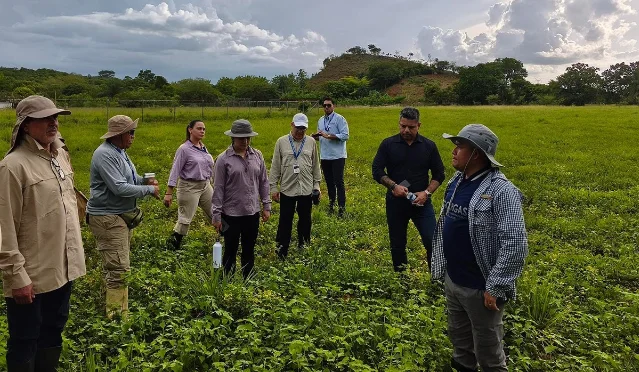
BEN N°812 also flags why rodent and genomic fieldwork matter. In Río Colorado, Río Negro, Argentina reported a case outside historically endemic areas; environmental investigations in Río Colorado and neighboring La Adela found low rodent capture, no captured species recognized as pathogenic hantavirus reservoirs, and negative serology, but authorities still recommended periodic environmental monitoring because the literature documents reservoir rodents in the area. 3 In Cerro Centinela, Chubut, the bulletin describes a three-case household cluster with sequential symptom onset; human sequences corresponded to Andes virus with 99.99% similarity, a pattern compatible with person-to-person transmission, although zoonotic exposure cannot be excluded because a peridomestic rodent tested positive and rodent sequencing remains pending. 3
Why PAHO's training signal matters now
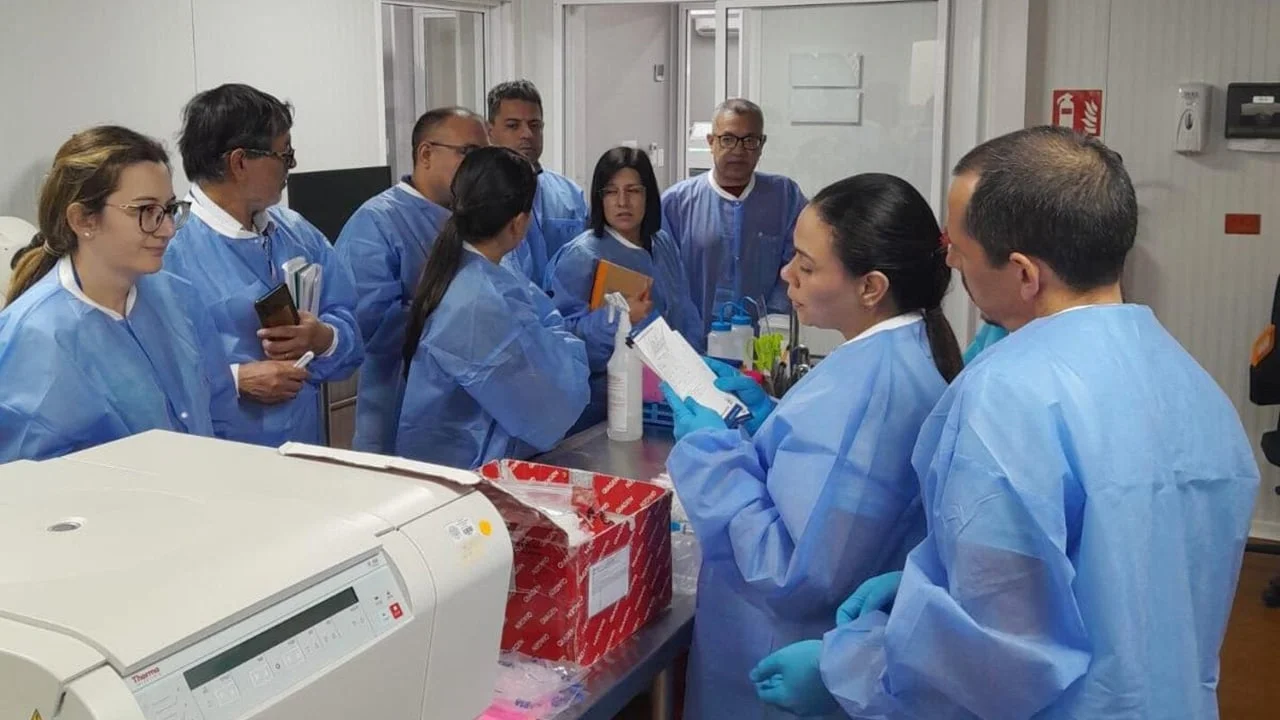
PAHO's workshop is not a case-count update, but it is operationally relevant. The June 1-4 meeting in Panama brought 55 specialists from 12 countries together to strengthen surveillance, diagnosis, and response capacities for hantavirus and other viral hemorrhagic fevers. 7 PAHO links that effort to its December 2025 epidemiological alert, issued after increased hantavirus cases in endemic countries and calling for stronger surveillance, timely diagnosis, and intersectoral response. 7
That is the right center of gravity for the next phase. The cruise event tested international contact management, high-level isolation capacity, and risk communication. Endemic-country surveillance tests something slower but more durable: whether health systems can detect atypical geography, identify rodent reservoirs, distinguish zoonotic from likely interhuman transmission, sequence the virus quickly enough to inform control decisions, and maintain public trust when cases are rare but severe.
Watch points for the next 72 hours
First, monitor whether the remaining U.S., French, and European contact-management endpoints pass without new symptomatic cases. Official CDC and ECDC pages should remain the primary count sources; media reports are useful for hospital discharge and legal-quarantine detail but should not replace official line lists. 4 1
Second, watch Argentina's follow-up laboratory and environmental reports, especially the pending rodent sequencing connected to Cerro Centinela and any additional investigation around non-traditional risk areas such as Río Colorado. 3
Third, keep treatment claims conservative. CDC states that there is no specific treatment for hantavirus infection and that care is supportive, with severe hantavirus pulmonary syndrome carrying an approximate 38% fatality rate. 8 New antiviral or vaccine findings may be scientifically important, but unless supported by full accessible papers and clinical data, they should not change this briefing's risk posture.
Fuentes de referencia
- 1ECDC — Andes hantavirus outbreak on a cruise ship
- 2Tedros Adhanom Ghebreyesus — Hantavirus update on X
- 3Argentina Ministry of Health — Boletín Epidemiológico Nacional N°812, SE 22
- 4CDC — Current Situation: Andes Virus Outbreak on Cruise Ship
- 5La Vanguardia — Gómez Ulla discharges final MV Hondius hantavirus patient
- 6France 3 — Touraine couple cannot finish Bichat quarantine at home
- 7PAHO — PAHO and partners strengthen surveillance for hantavirus and other hemorrhagic fevers
- 8CDC — Hantavirus FAQ
- 9Pexels — Brazilian guinea pig in nature, photo by Juan Felipe Ramírez
Añade más opiniones o contexto en torno a este contenido.